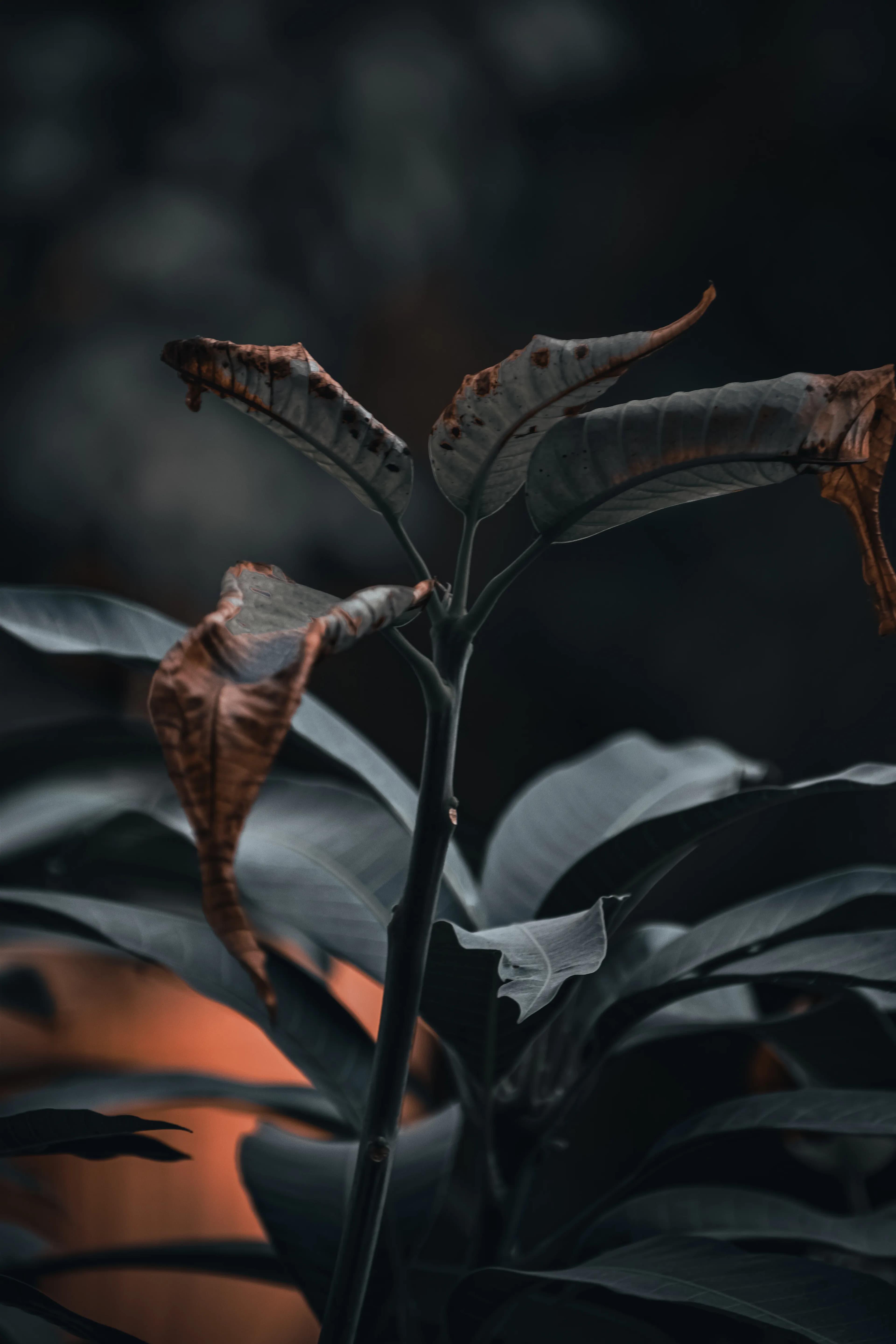
Why Are My Plant Leaves Turning Brown?
Unravel the mystery behind browning foliage
The Common Culprits
When your plant's leaves start turning brown, it's often a sign that something isn't quite right. The most common reasons for browning leaves include improper watering, low humidity, pests, and nutrient deficiencies.
Understanding these factors and how they affect your plants can help you diagnose the problem accurately.
Watering Woes
Both overwatering and underwatering can lead to brown leaves. Overwatering suffocates the roots, causing root rot, while underwatering deprives the plant of essential moisture. It's crucial to find the right balance for your specific plant species.
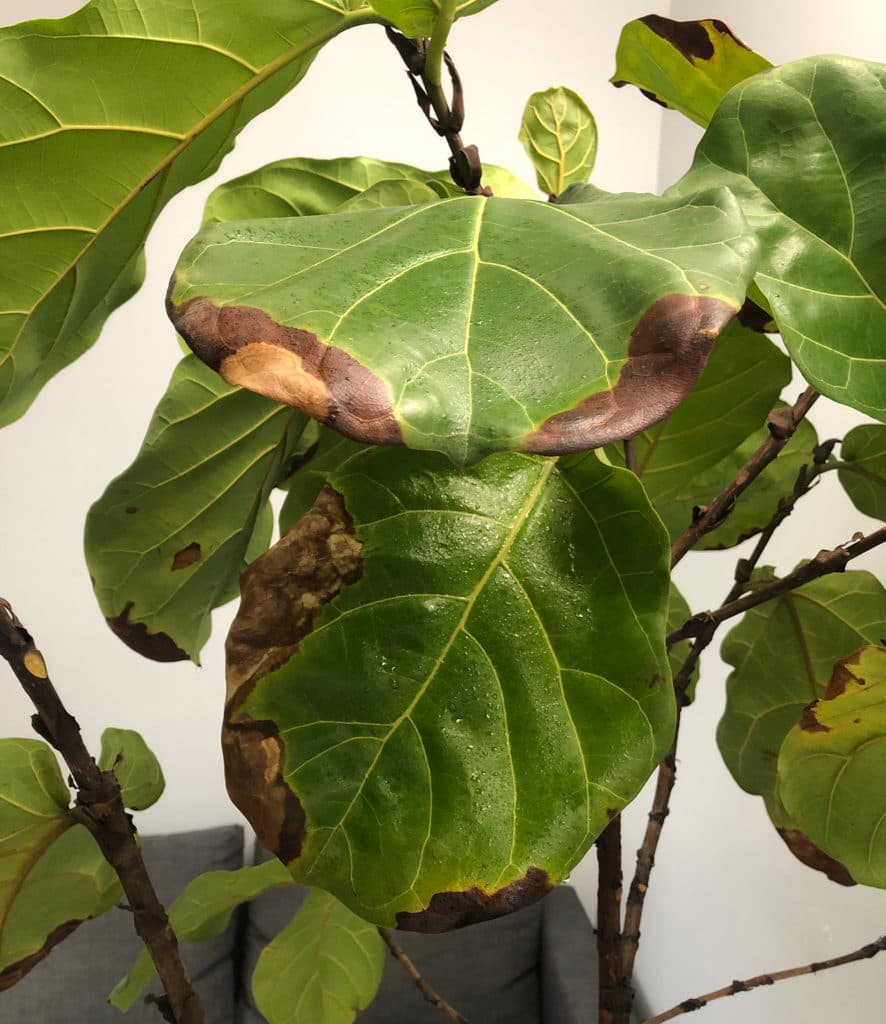
Fiddle Leaf Fig at a glance
- Water
- Moderate, allow top inch to dry
- Light
- Bright, indirect light
- Humidity
- High
- Temperature
- 65-75°F (18-24°C)
- Difficulty
- Moderate
Nutrient Deficiencies
Browning leaves can also be a sign of nutrient deficiencies. A lack of essential nutrients like nitrogen, potassium, or magnesium can cause discoloration. Using a balanced organic fertilizer can help replenish these nutrients and restore your plant's health.
Pests and Diseases
Insect infestations and fungal diseases can also cause leaves to brown. Look for signs of pests like aphids or spider mites, and treat your plants with appropriate organic insecticides if needed. Fungal infections may require fungicidal treatment and better air circulation.
Frequently Asked Questions
Can misting help with brown leaf tips?+
Yes, misting can increase humidity levels, which may help prevent tips from browning in plants that prefer humid environments.
How often should I water my plants?+
It depends on the plant species and environmental conditions. Use a moisture meter to determine when the soil is dry and needs watering.
Should I remove brown leaves?+
Removing brown leaves can help improve the plant's appearance and prevent potential pest infestations. Trim them with clean scissors.
Keep Your Plants Happy
The Bottom Line
Brown leaves are a common issue, but with the right care and attention, your plants can recover. By ensuring proper watering, maintaining humidity, providing essential nutrients, and monitoring for pests, you can keep your plants healthy and thriving.