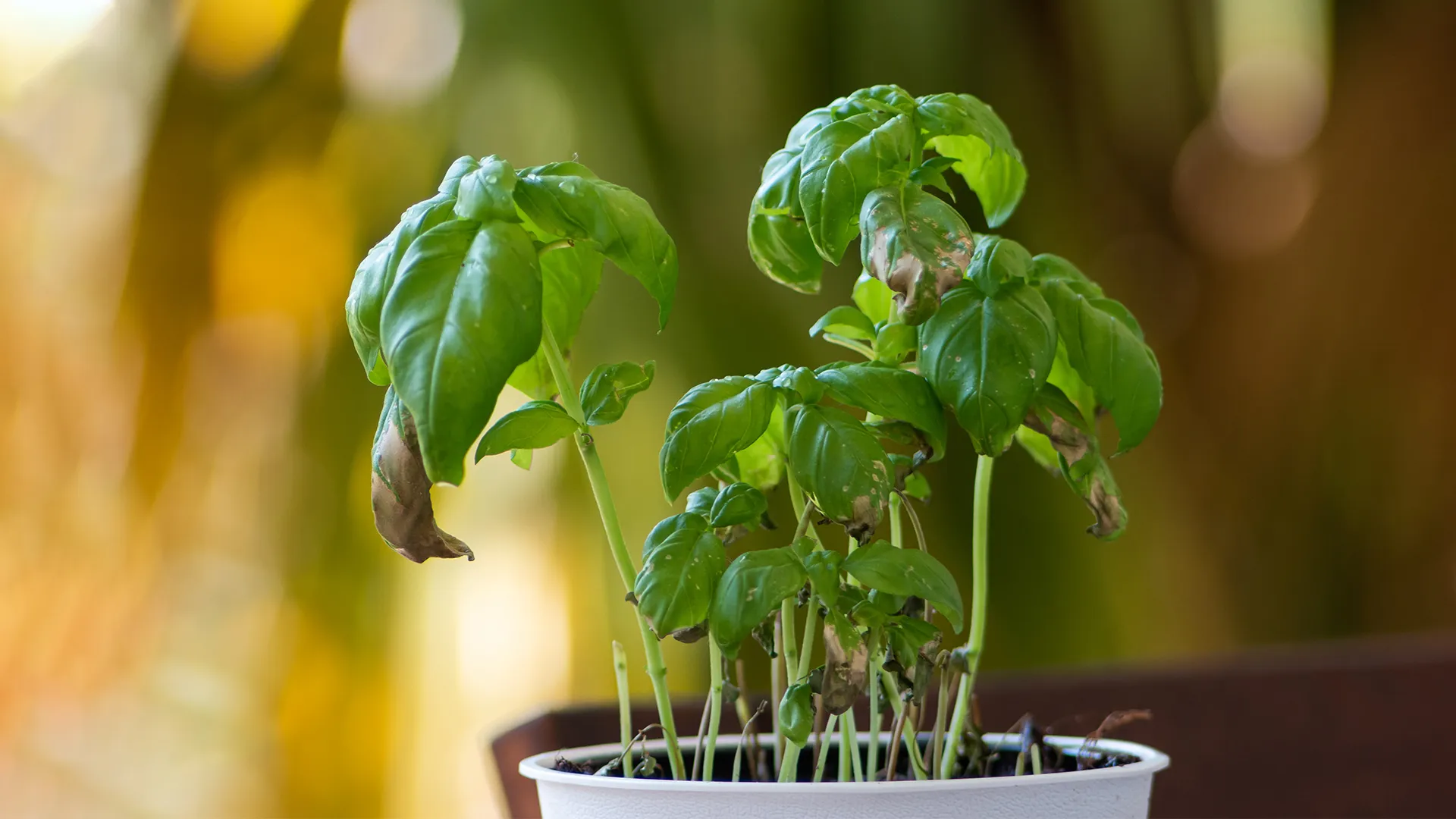
Why Are My Plant Leaves Curling?
A beginner's guide to understanding and solving this common issue
Understanding Leaf Curling
Leaf curling is a common issue faced by many plant owners, especially those new to plant care. It can be a sign of stress or an indication that your plant's environment needs adjustment. Understanding the underlying causes is key to restoring your plant's health and vitality.
Common Causes of Leaf Curling
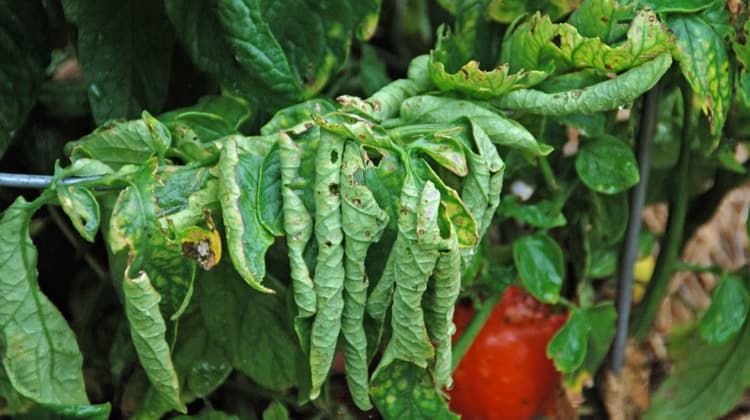
Several factors can lead to leaf curling, each requiring a different approach to remedy. Here are some common causes:
1. **Water Stress:** Both under-watering and over-watering can cause leaves to curl. Plants need a consistent watering schedule tailored to their specific needs.
2. **Temperature Extremes:** Exposure to extreme cold or heat can stress plants, resulting in curled leaves. Aim to keep your plants in a stable temperature environment.
3. **Pests:** Insects like aphids, spider mites, and thrips can infest plants, causing leaf distortion as they feed.
4. **Nutrient Deficiency:** A lack of essential nutrients, particularly calcium and magnesium, may lead to curling leaves. Ensuring your plant is receiving balanced nutrition is crucial.
By identifying the problem, you can take targeted action to help your plant recover.
Fiddle Leaf Fig at a glance
- Water
- Moderate, allow top inch to dry
- Light
- Bright indirect light
- Humidity
- High humidity preferred
- Temperature
- 60-75°F (16-24°C)
- Difficulty
- Moderate
Frequently Asked Questions About Leaf Curling
Can I prevent leaf curling?+
Yes, by maintaining consistent care with proper watering, lighting, and temperature, you can prevent many cases of leaf curling.
How often should I water my plant?+
It depends on the specific plant and its environment. Check the soil moisture regularly and adjust your schedule accordingly. A moisture meter can help.
Are curled leaves a sign of pests?+
They can be. Check the underside of leaves for signs of pests like aphids or spider mites, and treat promptly if found.
Is leaf curling reversible?+
In many cases, yes. Addressing the underlying cause can help new growth return to normal.
Taking Action
Once you've identified the cause of leaf curling, it's time to take action. Adjust watering schedules, move your plant to a more suitable location, or treat for pests as needed. Consistent care and attention to your plant's needs are key to preventing future problems.
If you're unsure about your plant's watering needs, consider investing in a moisture meter to help maintain optimal soil moisture levels.
Download Our Plant Care App
“The best fertilizer is the gardener's shadow.”
— Chinese Proverb
The Bottom Line
Leaf curling can be concerning, but with careful observation and consistent care, most plants can recover. Remember to check environmental factors, inspect for pests, and adjust your plant care routine as needed. With time and attention, your plants will thrive.