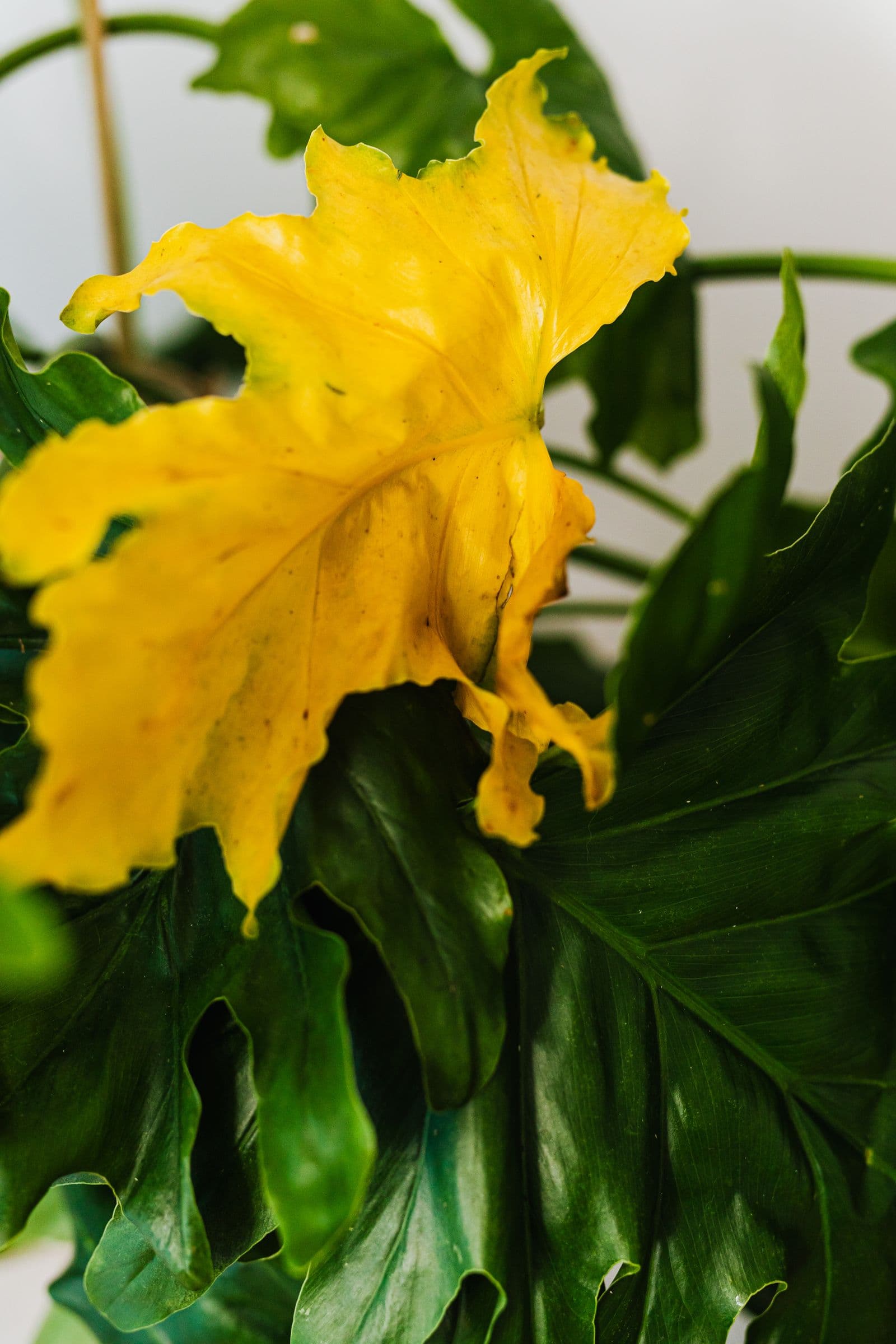
Why Overwatering Turns Leaves Yellow
Your plant isn't thirsty. It's drowning.
Not quite your symptom? Browse all our plant problem guides to match what you're seeing to a cause.
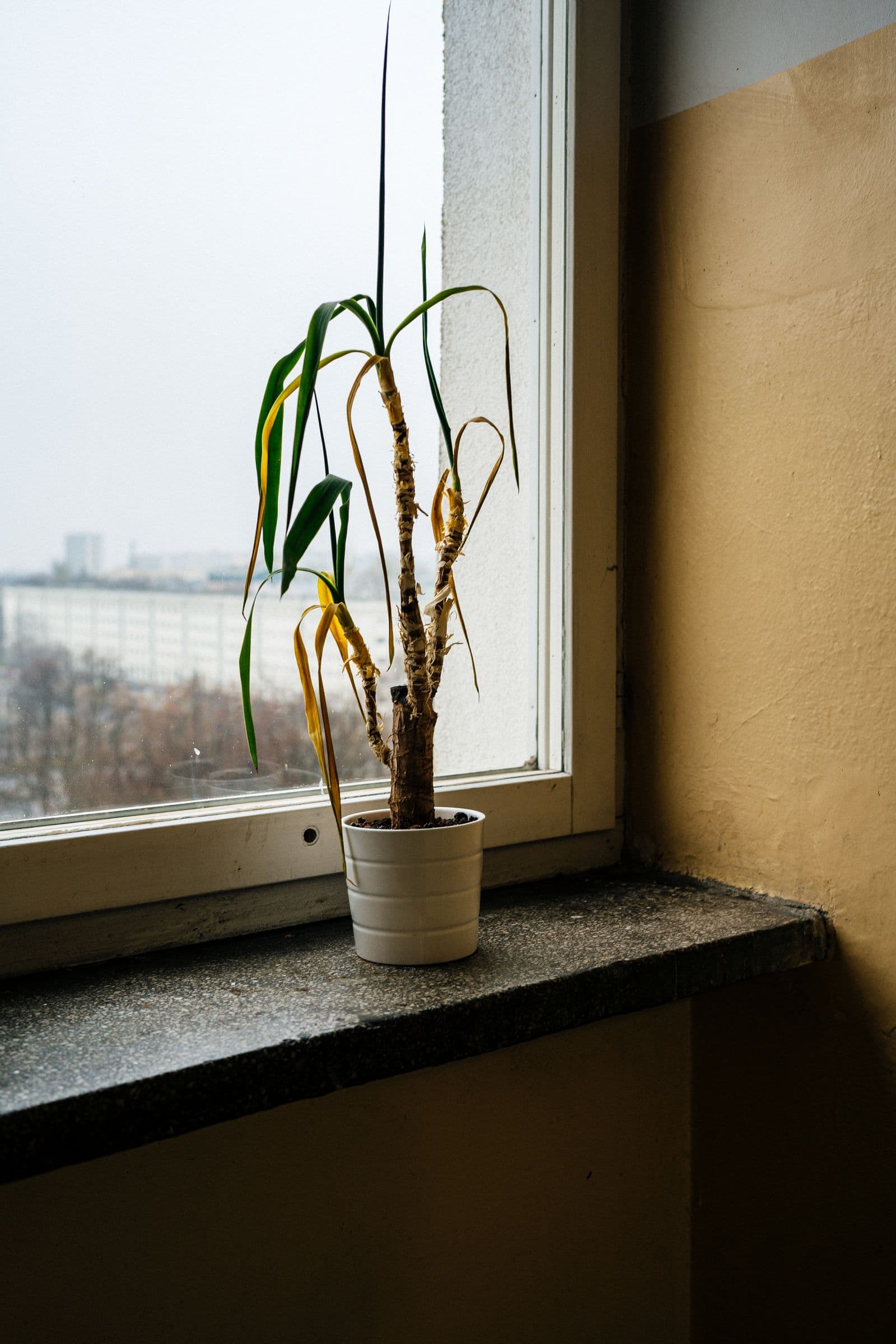
Yellow leaves and wet soil is one of the most common plant problems, and it usually comes from love. You notice a droopy, yellowing plant, assume it needs more water, and the problem gets worse.
Overwatering turns leaves yellow because the roots start suffocating and rotting, so the plant can no longer absorb the water and nutrients it needs, even when the soil is soaking wet. Here's how it happens, step by step.
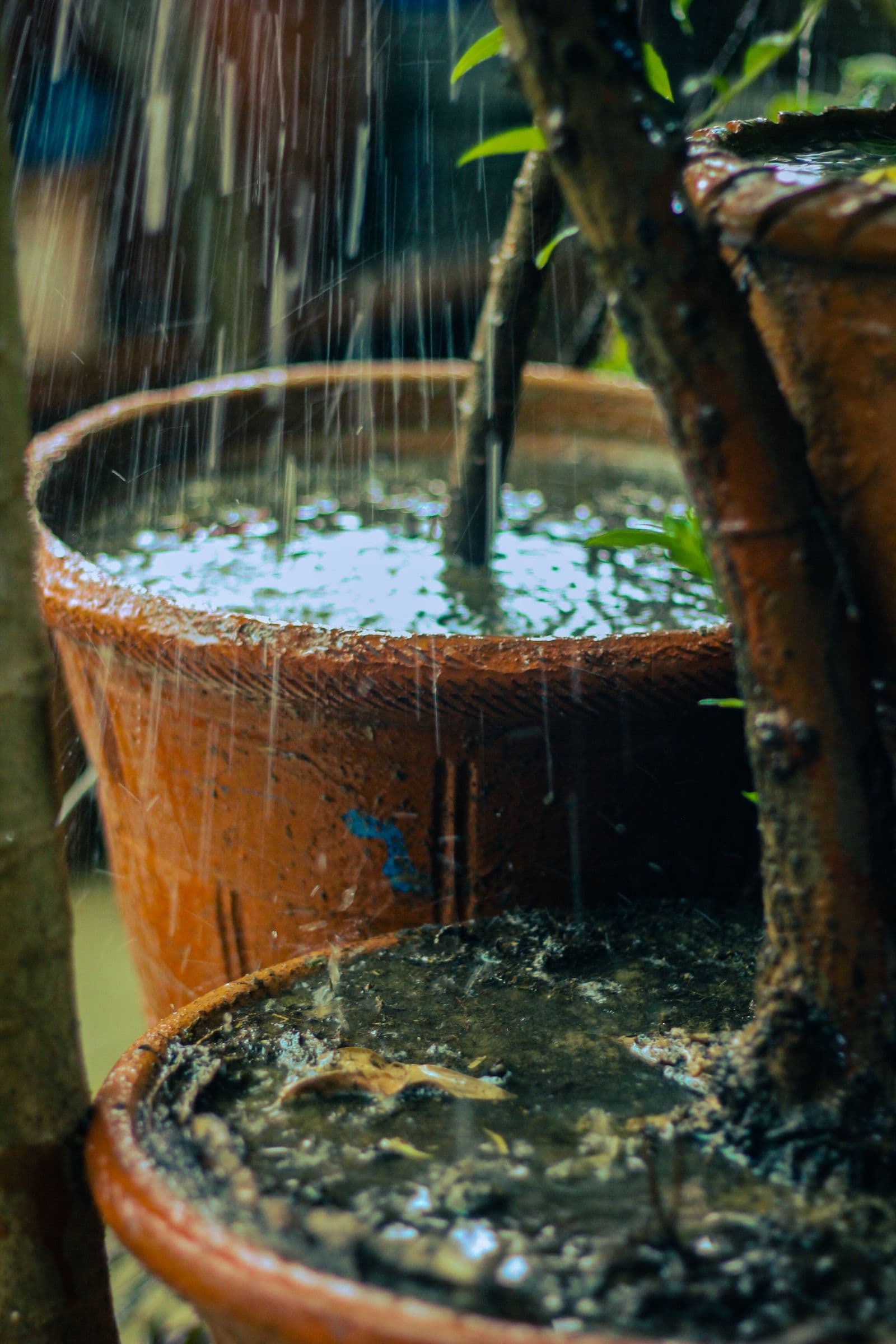
Step 1: Too much water pushes out oxygen
Roots need oxygen to breathe and produce energy. Healthy potting mix is full of tiny air pockets that hold that oxygen.
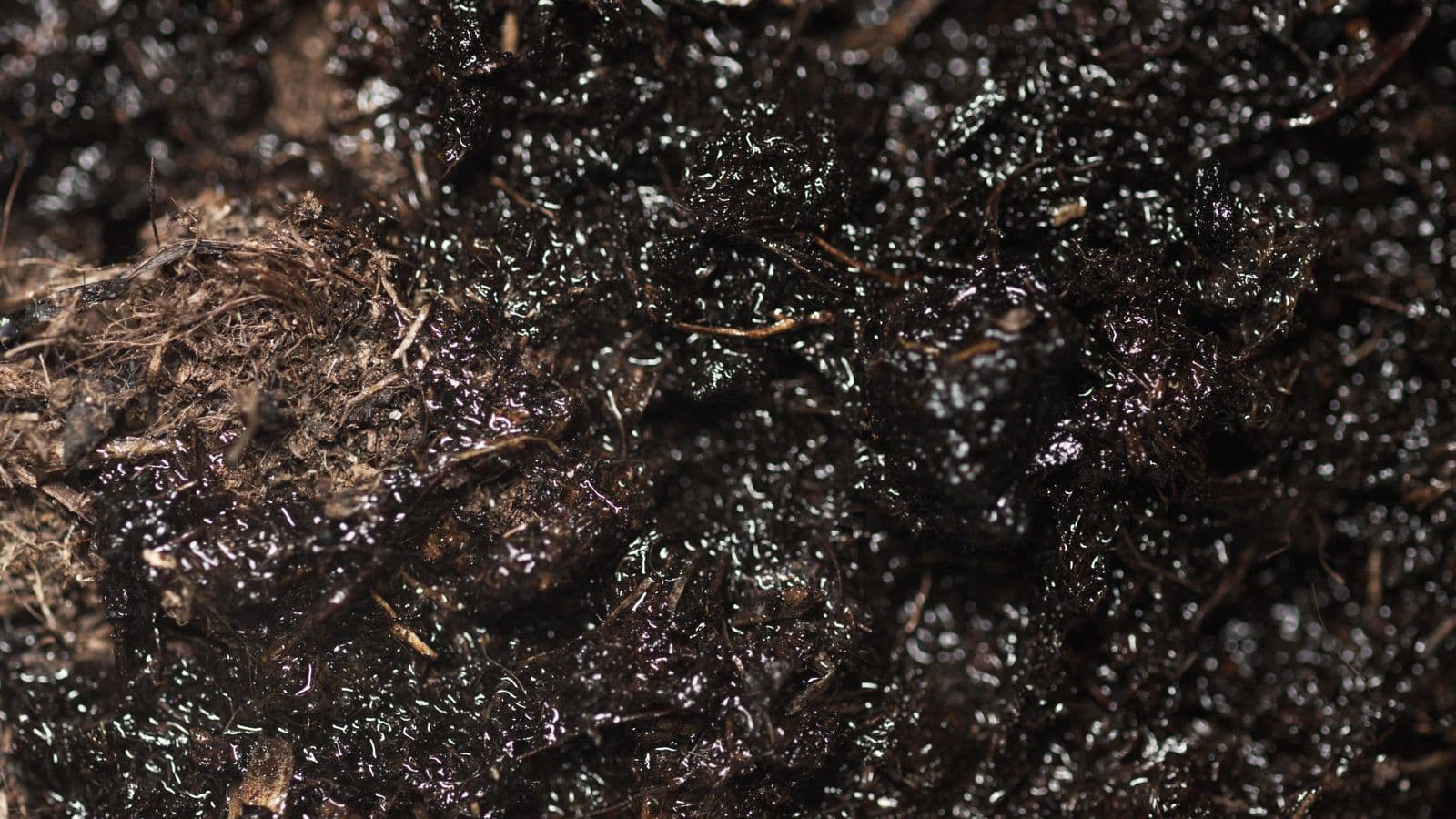
When soil stays waterlogged, those air pockets fill with water. The roots are effectively holding their breath, and the longer the soil stays saturated, the more they struggle.
Step 2: Roots begin to die and rot
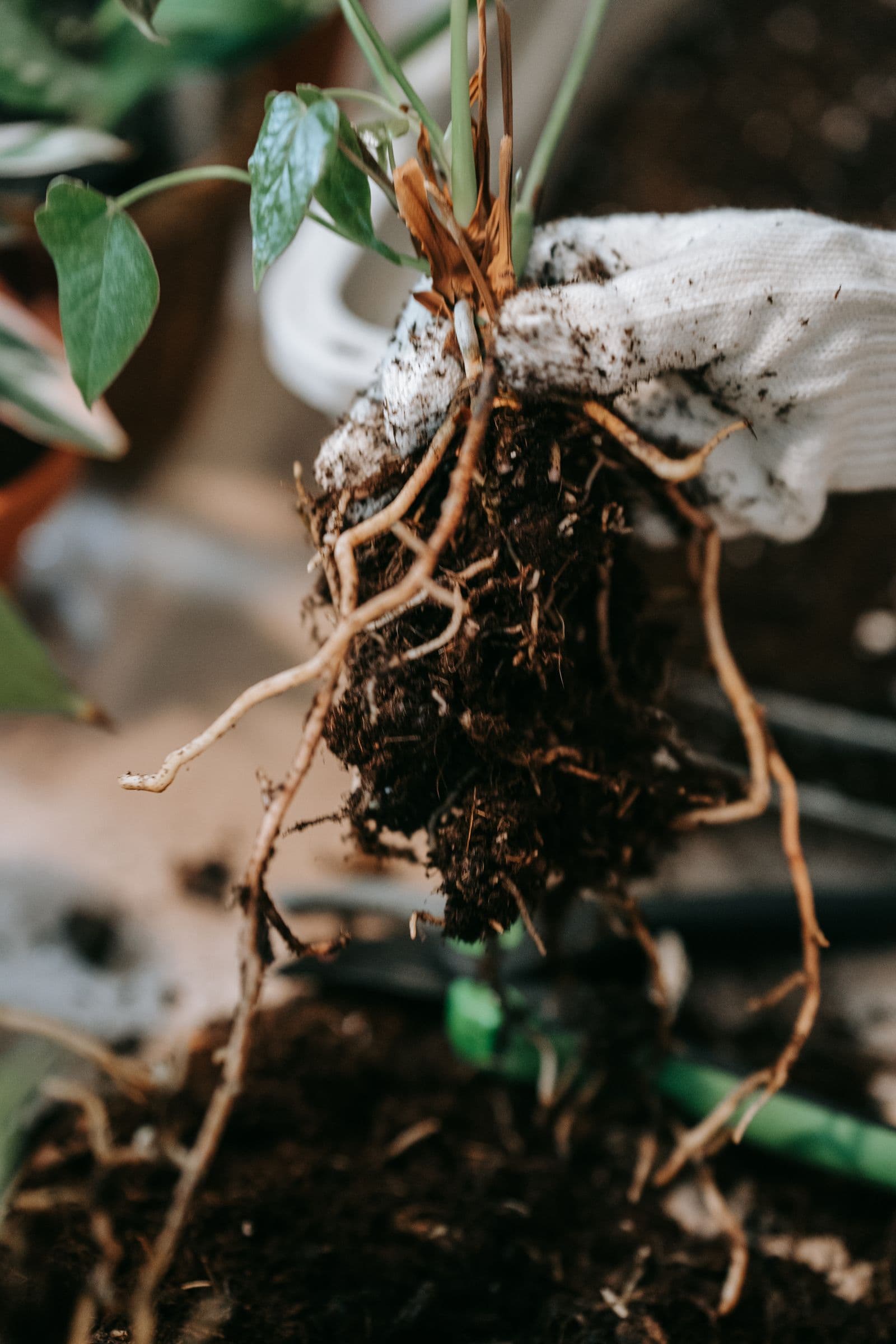
Without enough oxygen, root cells become damaged. Prolonged wet conditions also encourage pathogens that break down root tissue.
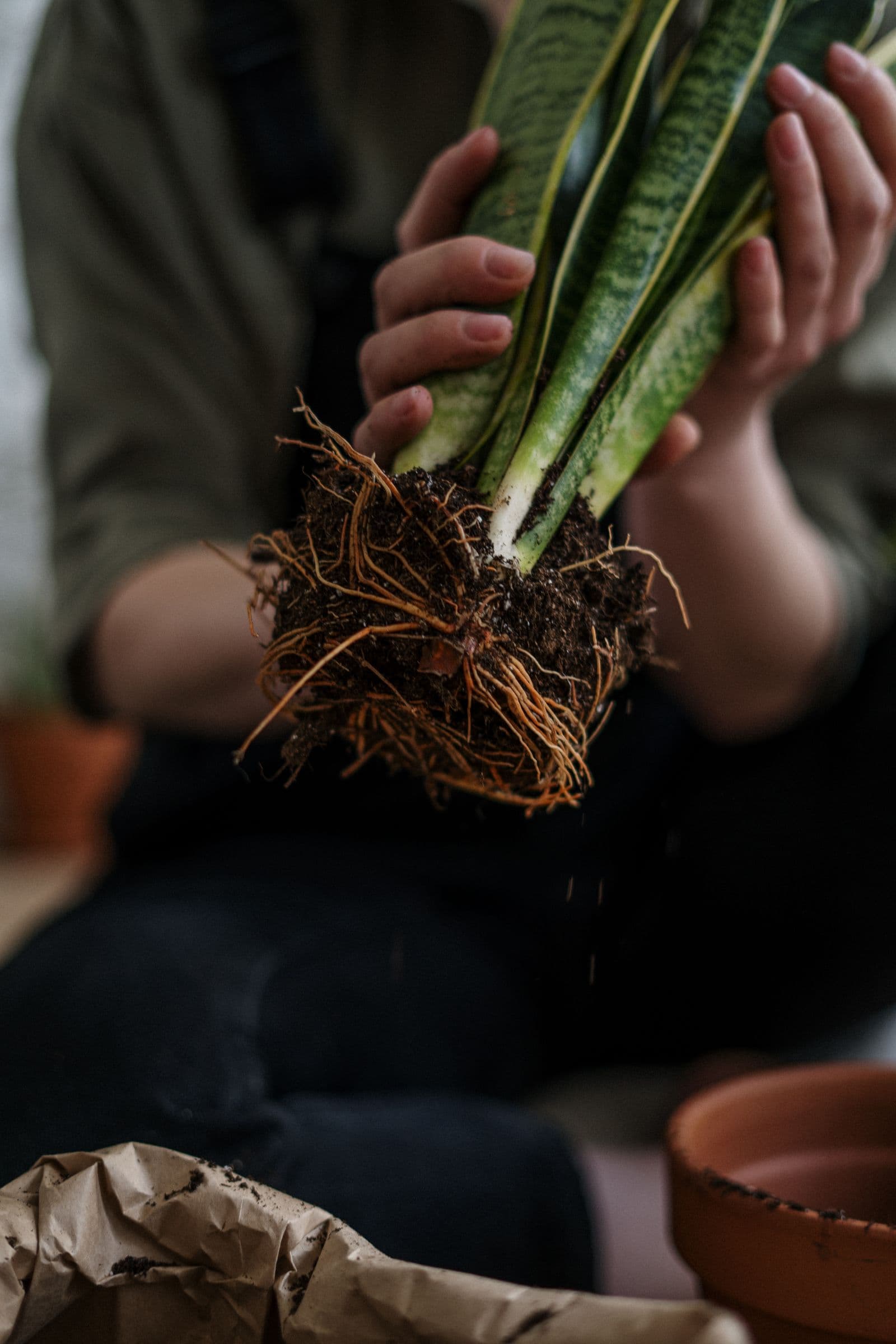
The result is roots that turn brown, mushy and unable to function properly. Healthy roots are firm; rotting roots are soft, can feel slimy, and often smell sour.
Step 3: The leaves stop getting what they need
Damaged roots struggle to absorb essential nutrients, especially nitrogen, and may also struggle to take up water.
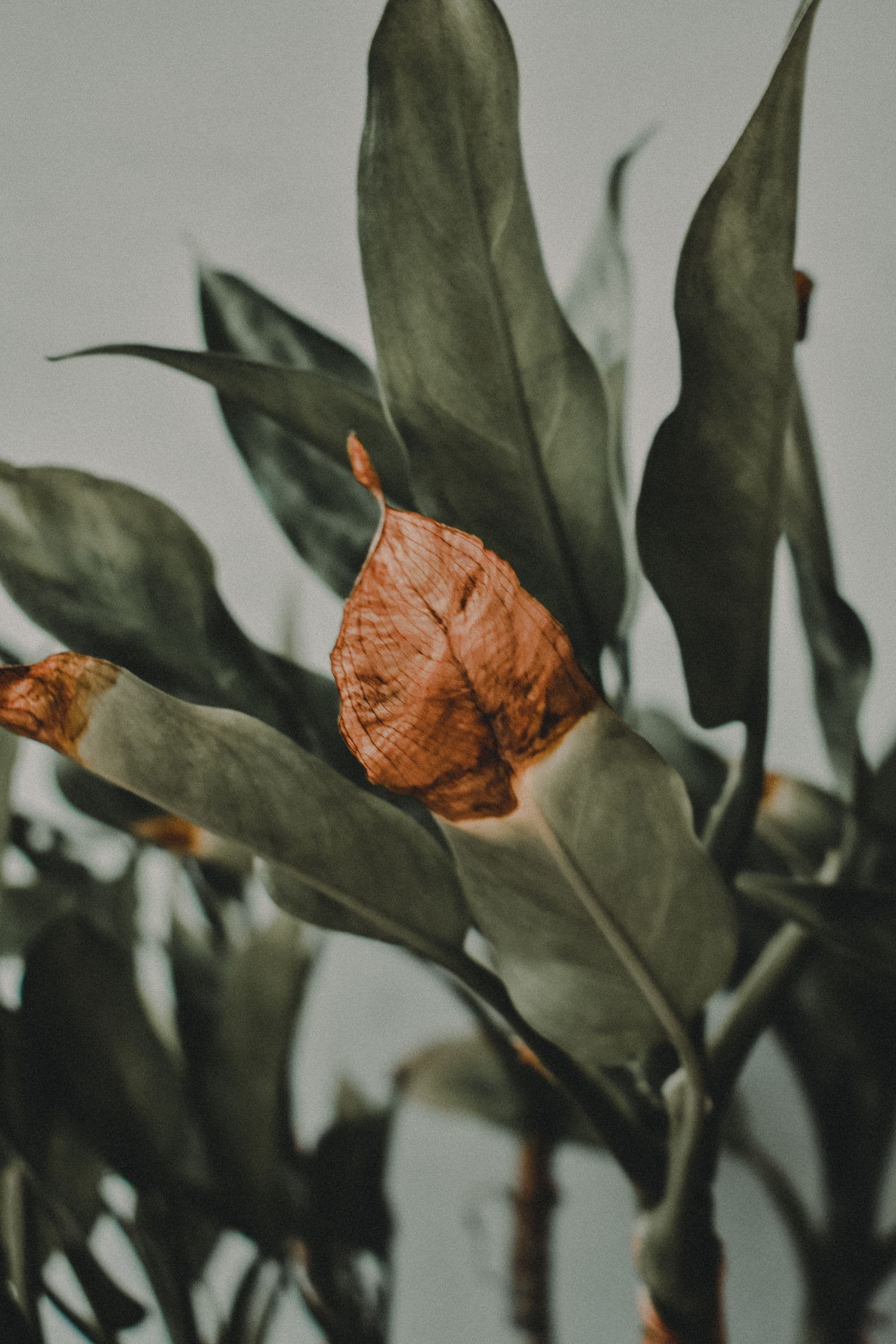
The plant can't maintain normal leaf function, chlorophyll begins to break down, and the leaves turn yellow. Older, lower leaves are often the first to go.
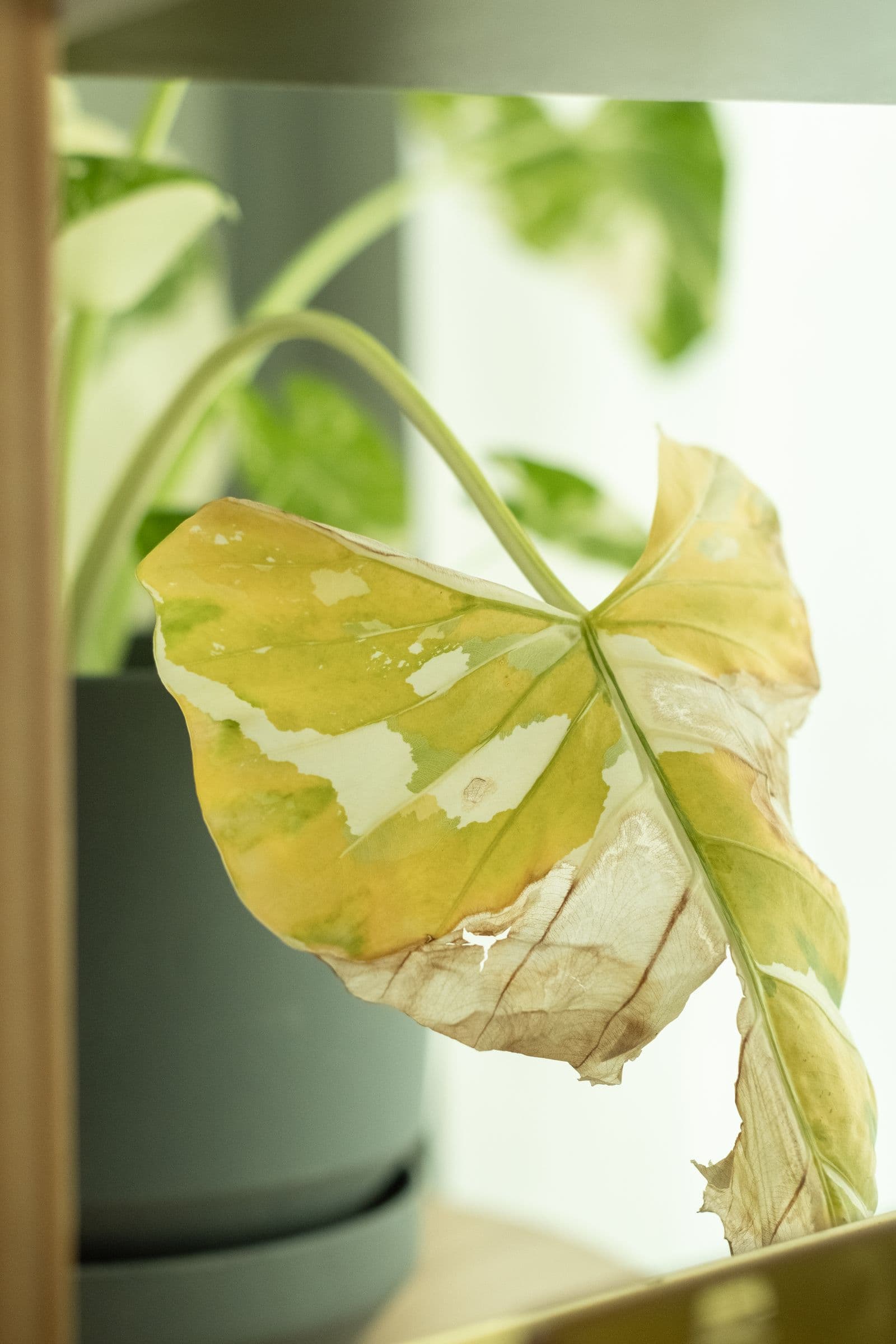
“Your plant can be surrounded by water and still behave as if it's thirsty.”
Why overwatered plants wilt: soaked, yet thirsty
Healthy roots need both water and oxygen. When roots rot, the plant loses its ability to deliver water and nutrients to its leaves.
That's why an overwatered plant can wilt and droop exactly like an underwatered one. Giving it more water at this point only makes things worse.
How to tell if overwatering is the problem
Yellowing leaves + constantly wet soil: possible overwatering. If the soil never seems to dry out between waterings, this is the most likely cause.
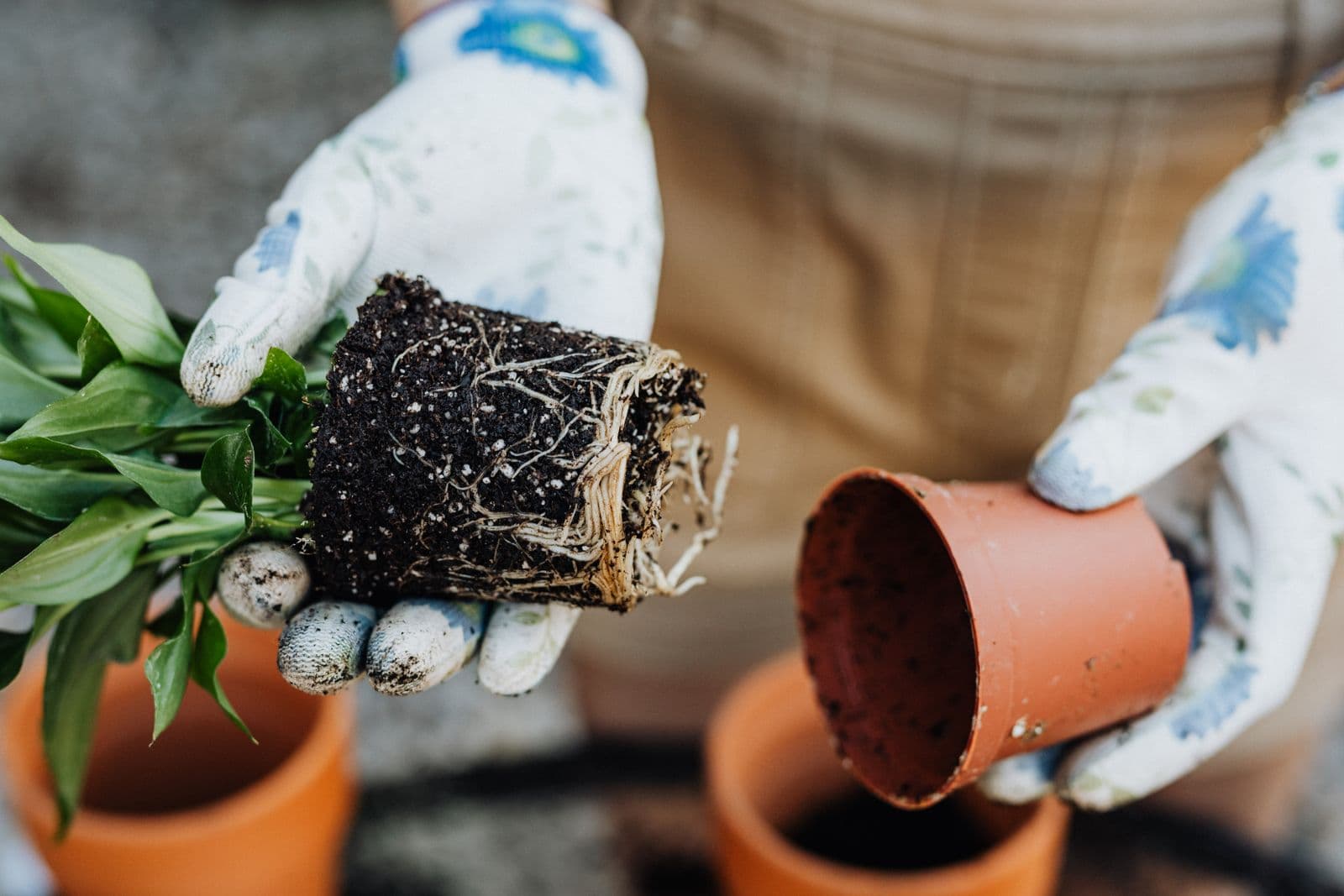
Brown, mushy roots with a bad smell: strong signs of root rot. Gently slide the plant out of its pot to check.
Yellow lower leaves + dry soil: could be underwatering, natural aging, or another issue entirely.
One important note: a yellow leaf alone doesn't prove root rot. Light, nutrients, pests and natural aging can cause similar symptoms, so always check the soil and roots before you change your routine.
What to do about overwatering
Let the soil dry to an appropriate level for your plant, and check that the pot drains properly. If the yellowing continues, inspect the roots.
If roots are mushy, trim the damaged parts with clean scissors and repot in fresh, well-draining mix. Our step-by-step guide, How to Rescue Rotten Roots, walks through the full rescue.
Overwatering and yellow leaves: common questions
Can yellow leaves turn green again?+
Usually not. Once a leaf has turned yellow, it rarely recovers its color. Focus on fixing the roots and watering, and look for healthy new growth as the sign your plant is recovering.
How can I tell overwatering from underwatering?+
Check the soil. Yellow or drooping leaves with constantly wet soil point to overwatering, while yellow lower leaves with dry soil point to underwatering, aging or another issue.
Does a yellow leaf always mean root rot?+
No. Light, nutrient deficiencies, pests and natural aging can all cause yellow leaves. Root rot is likely when yellowing comes with soggy soil and brown, mushy, bad-smelling roots.
Should I cut off yellow leaves?+
Leaves that are completely yellow, black or mushy can be trimmed with clean scissors. A partly yellow leaf with plenty of green can stay until you know how badly the plant is affected.
How long should the soil dry before I water again?+
It depends on the plant, pot, light and season. For many common houseplants, wait until the top few centimeters of soil feel dry, then water thoroughly and let the excess drain.
Diagnose it with a photo
Not sure which guide fits? Snap the affected leaf in the OFPlants app and Pole, our plant doctor, names the most likely cause, how confident it is, and what to do now and over the next week.
 Get it onGoogle Play
The bottom line
Overwatering turns leaves yellow because waterlogged soil suffocates the roots, the roots begin to rot, and the plant can no longer feed its leaves. Check the soil and roots before reaching for the watering can, and remember: a plant can be sitting in water and still be thirsty.
