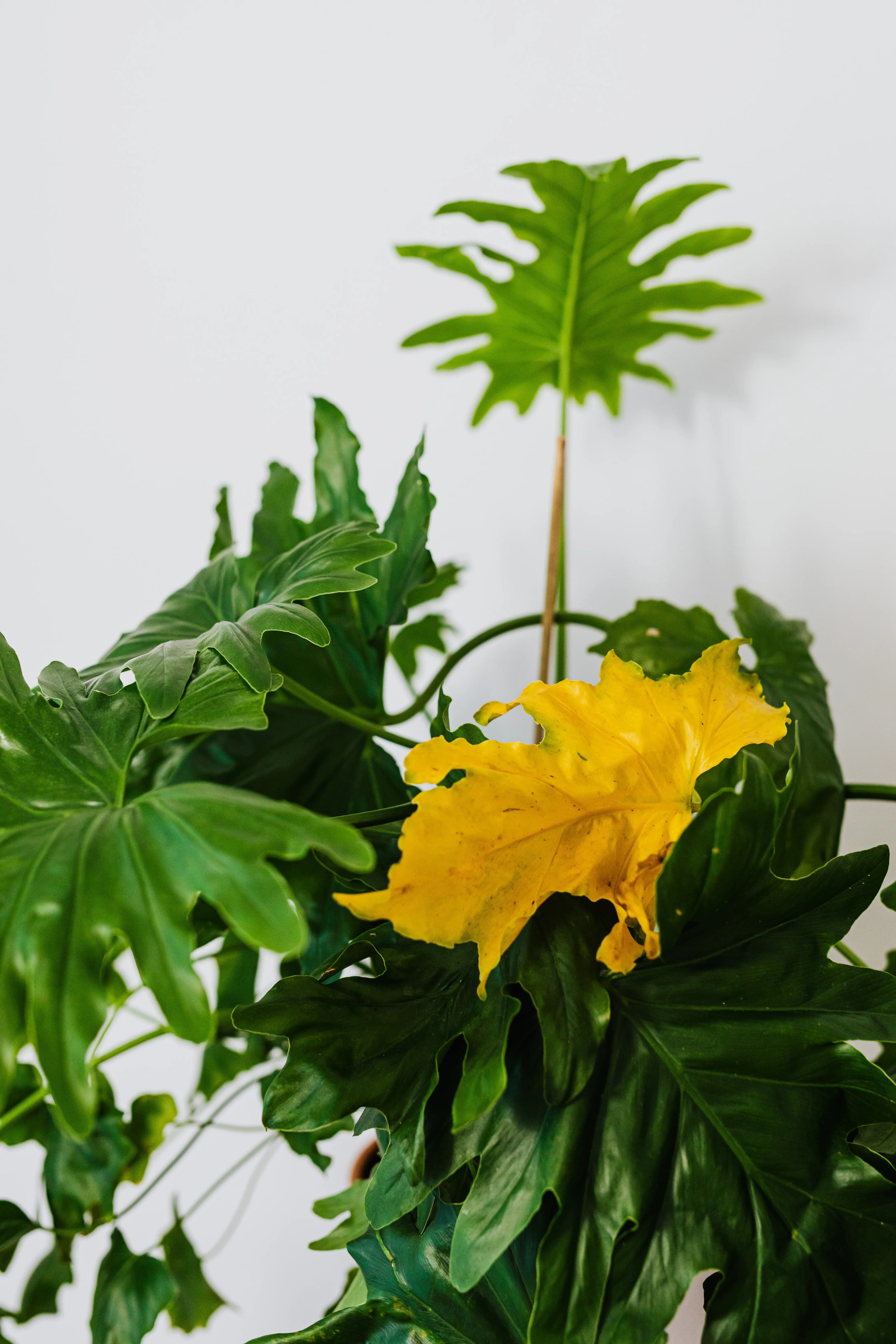
Why Are My Plant Leaves Turning Yellow?
Troubleshooting tips for healthier plants
Understanding the Yellowing Phenomenon
It's a common concern among plant enthusiasts: one day your plant's leaves are a lush green, and the next they sport an unwelcome yellow hue. Understanding why this happens is the first step to fixing it. Yellow leaves can result from various factors like watering issues, nutrient deficiencies, or environmental stress. Let’s explore these in detail to help you bring back the green.
Watering Woes
Overwatering is one of the most common reasons for yellow leaves. When a plant receives too much water, the roots can suffocate, leading to a lack of oxygen which causes the leaves to turn yellow. On the other hand, underwatering can also cause yellowing as the plant becomes dehydrated.
To determine if water is the issue, check the soil moisture. If it feels soggy, reduce watering, and if it’s bone dry, gradually increase the frequency. Using a tool like a moisture meter can help you accurately assess your plant’s needs.
Nutrient Deficiencies
Plants require a variety of nutrients to thrive, and a deficiency can manifest as yellowing leaves. Nitrogen deficiency is especially common and is characterized by older leaves turning yellow while new growth remains green.
To address this, consider using a balanced, organic fertilizer to replenish nutrients. Regular feeding during the growing season can help maintain vibrant foliage.
Lighting Issues
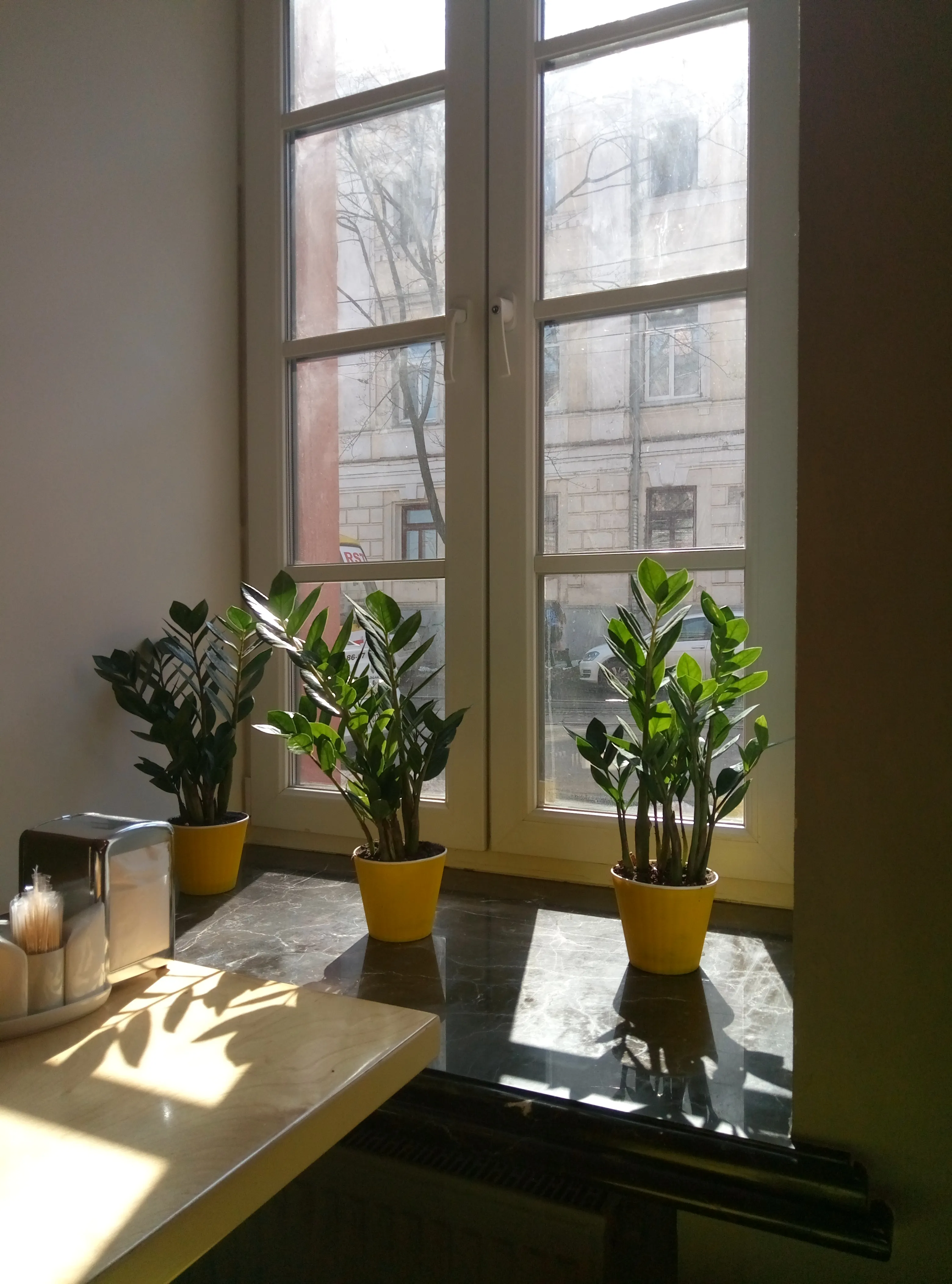
Insufficient light can cause leaves to yellow and drop off. Plants require adequate light for photosynthesis, and without it, they can’t produce the energy needed to sustain healthy growth.
Assess the light conditions in your space. If your plant is in a low-light area, try moving it to a brighter spot or consider using grow lights to supplement natural sunlight, especially during shorter winter days.
Environmental Stress
Environmental factors like temperature fluctuations, drafts, or low humidity can also lead to yellow leaves. Most houseplants prefer stable conditions and can suffer when exposed to sudden changes.
To mitigate stress, keep your plants away from direct drafts and ensure they are in a room with a stable temperature. If humidity is an issue, especially in the winter when indoor air can be dry, consider using a humidifier to maintain a comfortable environment for your plants.
Ficus Elastica at a glance
- Water
- Moderate, allow top inch to dry
- Light
- Bright indirect light
- Humidity
- High
- Temperature
- 65-85°F (18-29°C)
- Difficulty
- Easy
Common Questions About Yellow Leaves
Can yellow leaves turn green again?+
Unfortunately, once a leaf has turned yellow, it is unlikely to revert to green. It's best to remove yellow leaves to encourage new, healthy growth.
Should I cut off yellow leaves?+
Yes, cutting off yellow leaves can help the plant redirect its energy to new growth. Use clean, sharp scissors to make precise cuts.
How do I prevent yellow leaves in the future?+
Maintain a consistent watering schedule, provide adequate light, and ensure your plant’s environment is stable with the right humidity and temperature.
Download Our Plant Care App
The Bottom Line
Yellow leaves can be a signal that something is amiss with your plant care routine. By understanding the causes and making necessary adjustments, you can restore your plants to their full, green glory. Pay attention to watering, light, and environmental conditions, and your plants will thank you with lush, vibrant foliage. Remember, every plant is unique, so take the time to learn the specific needs of your green companions.