Black Spots on Plant Leaves
When to worry and what to do
Not quite your symptom? Browse all our plant problem guides to match what you're seeing to a cause.
Black spots on a leaf can mean almost anything, from a film that wipes right off to a disease that needs fast action. The color alone won't tell you which, but the texture, the pattern and the plant's recent history usually will.
Work through the checks below in order. The first few are quick and rule out the most common, least serious causes. If you're dealing with spots of other colors too, see Why Does My Plant Have Spots on Its Leaves?
First, try the wipe test
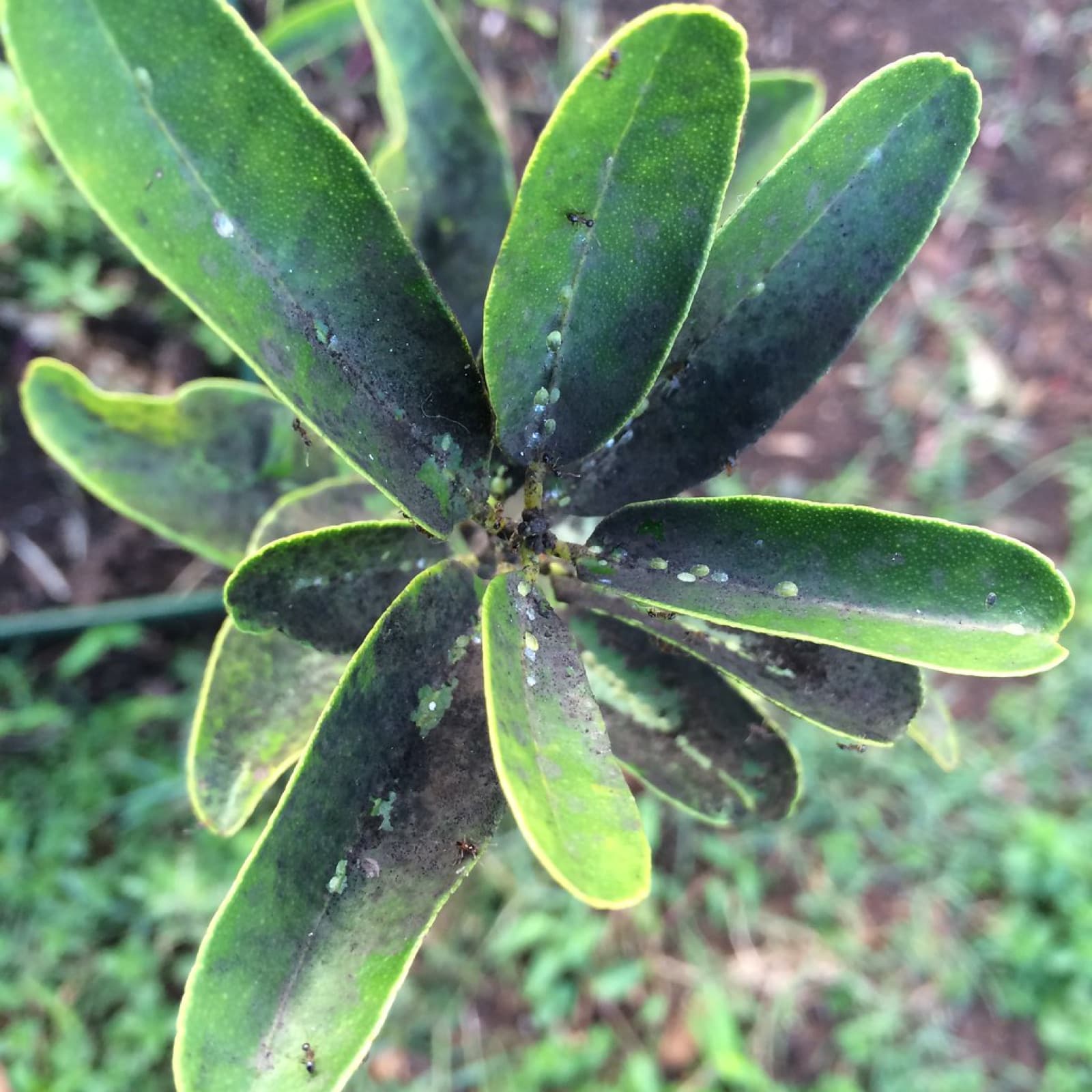
Rub the black area gently with a damp cloth or soapy water. If it comes off and the leaf underneath looks healthy, it's likely sooty mold, a black or brown powdery growth on upper leaf surfaces that can sometimes be washed away.
Sooty mold doesn't infect the plant. It grows on honeydew, the sticky waste left by sap-sucking insects like aphids, soft scale, mealybugs and whiteflies. A heavy coat still harms the plant by blocking light.
So the mold is a clue, not the problem. Look on the plant above the moldy area for the insects. Wash the mold off, then treat the pests, or it will come back. See Why Do Pests Keep Coming Back After You Treat Them? if it keeps returning. Ants farm these insects for honeydew and protect them, so deal with any ants you see as well.
Tiny shiny specks: thrips
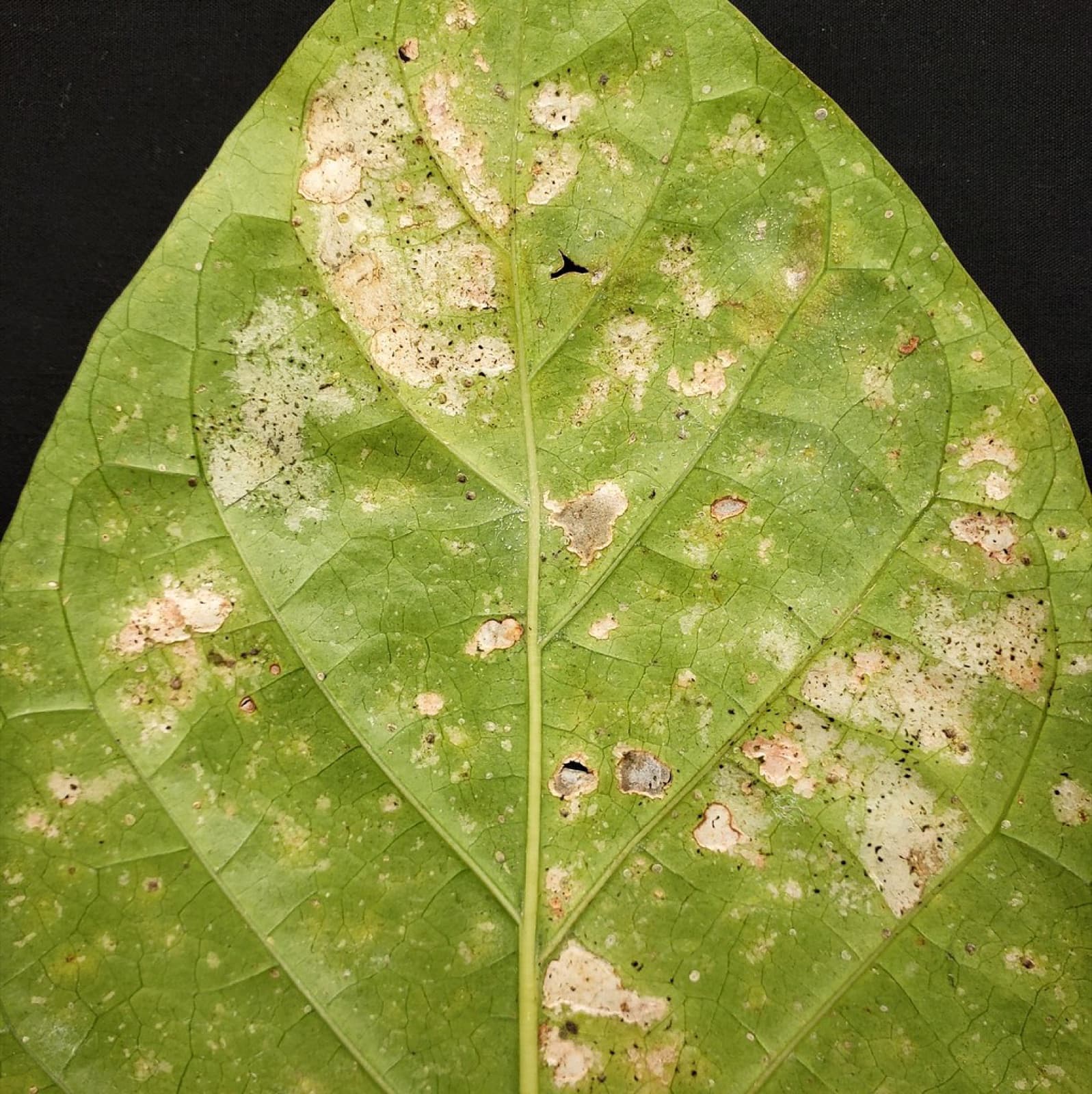
Look closely at very small black dots. If they're shiny, like drops of varnish, and they sit next to pale, stippled or silvery patches, you're likely looking at thrips droppings. Thrips feeding usually leaves black, varnish-like flecks of excrement behind.
Thrips themselves are easy to miss. Most adults are under 1/20 inch long, so shake leaves or flowers over white paper to knock them loose where you can see them.
These specks aren't a disease, and fungicide won't help. Start by washing thrips off with water and removing badly infested parts, with horticultural oil or insecticidal soap as the next step. Check the undersides too, since thrips often hide there and in tight crevices.
Leaves turn black after a cold night
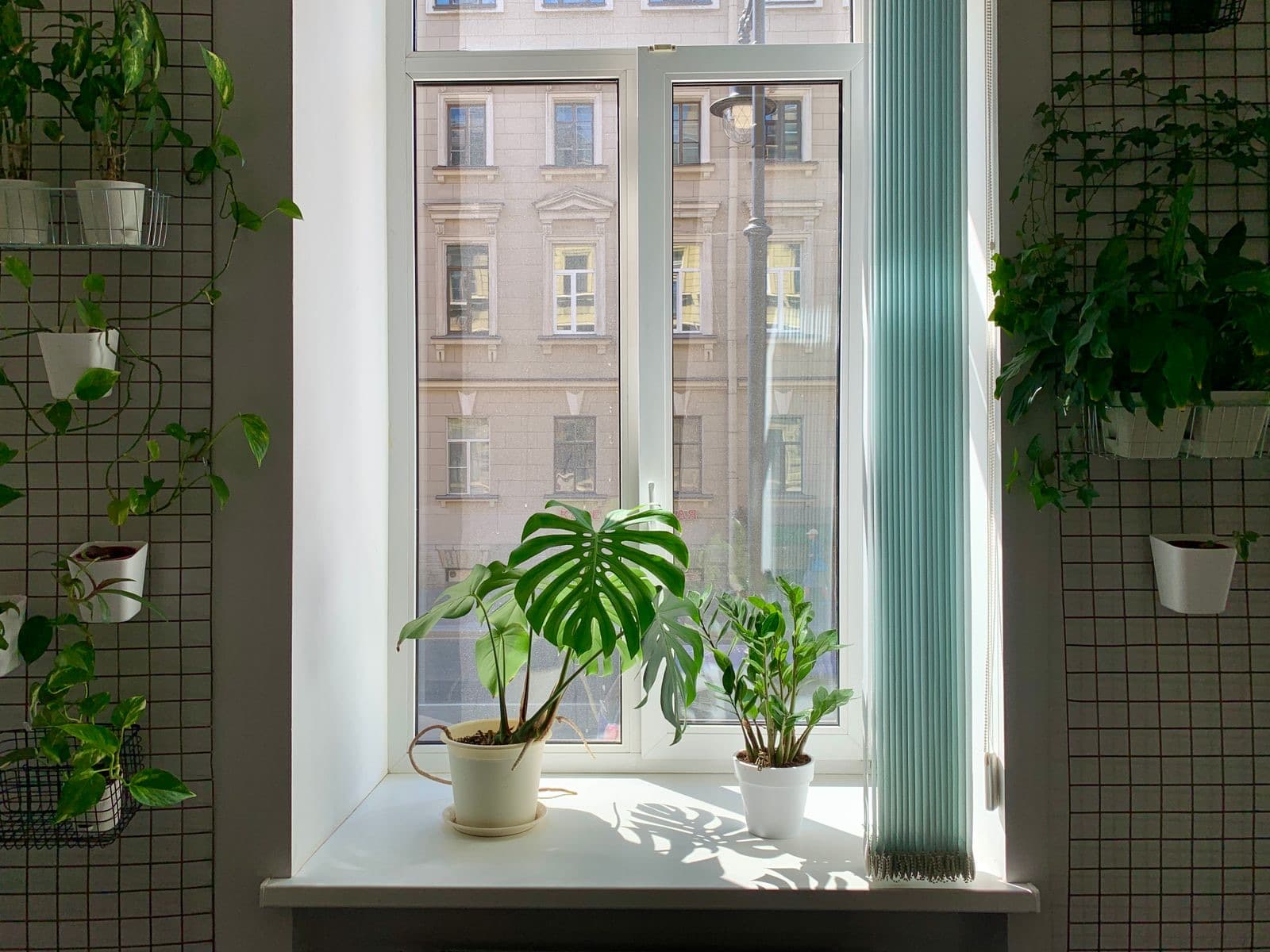
Leaves that go black after sitting against cold glass or near a drafty door may have cold injury. Blackened leaves, drooping and even whole-plant collapse are all signs of cold damage, often in unheated rooms like porches in winter.
Protect plants from temperatures below 50°F (10°C), and remember that symptoms can keep showing for up to a week after exposure. That delay makes it easy to miss the link.
Think back over the past week. If the blackening appeared on the leaves nearest a window or vent, all at about the same time, and isn't spreading, cold is the likely cause. Move the plant somewhere warmer and trim the damaged leaves once you see new growth. Cold damage doesn't spread from plant to plant, so there's no need to isolate it.
Dark spots with rings or a yellow halo
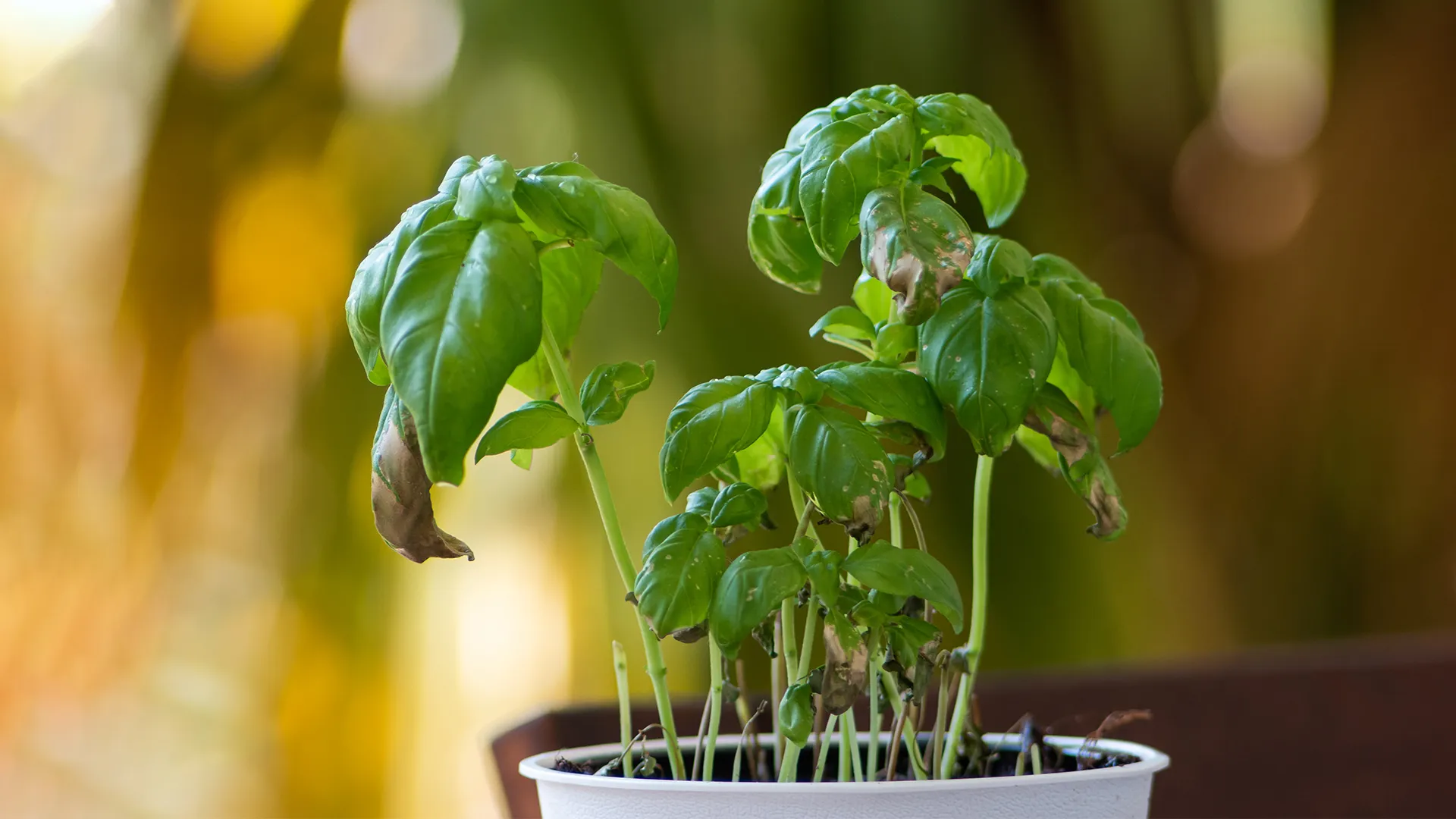
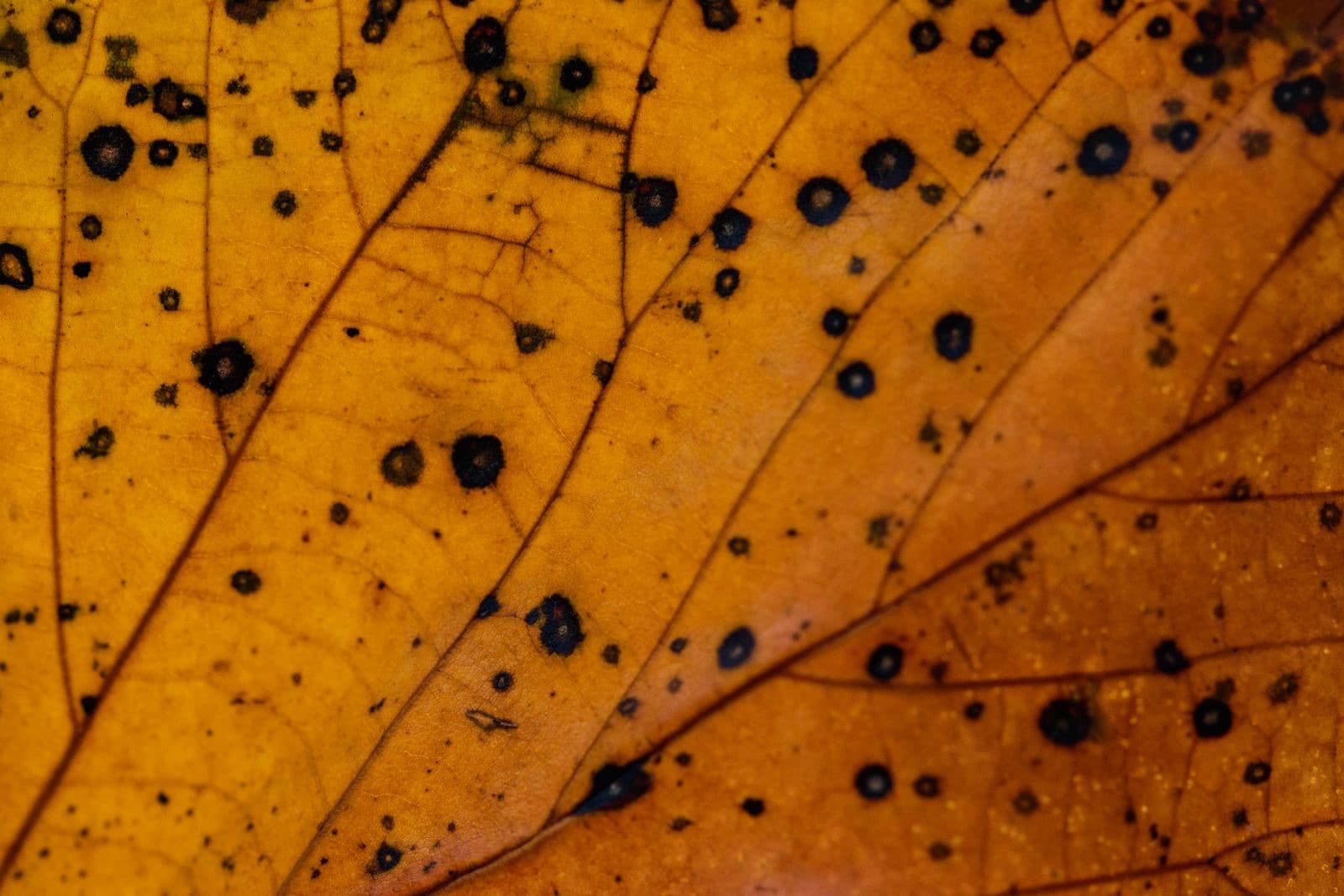
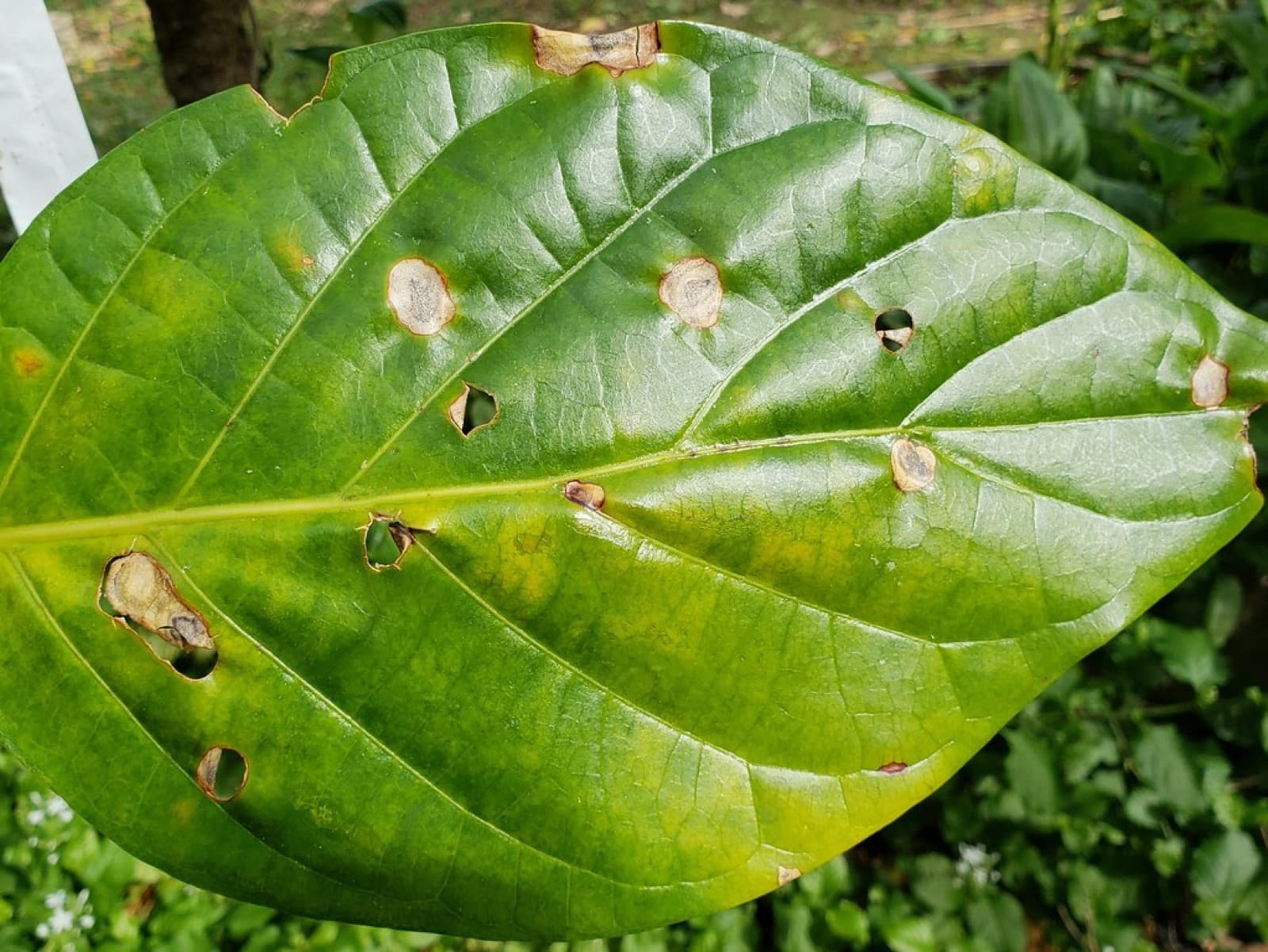
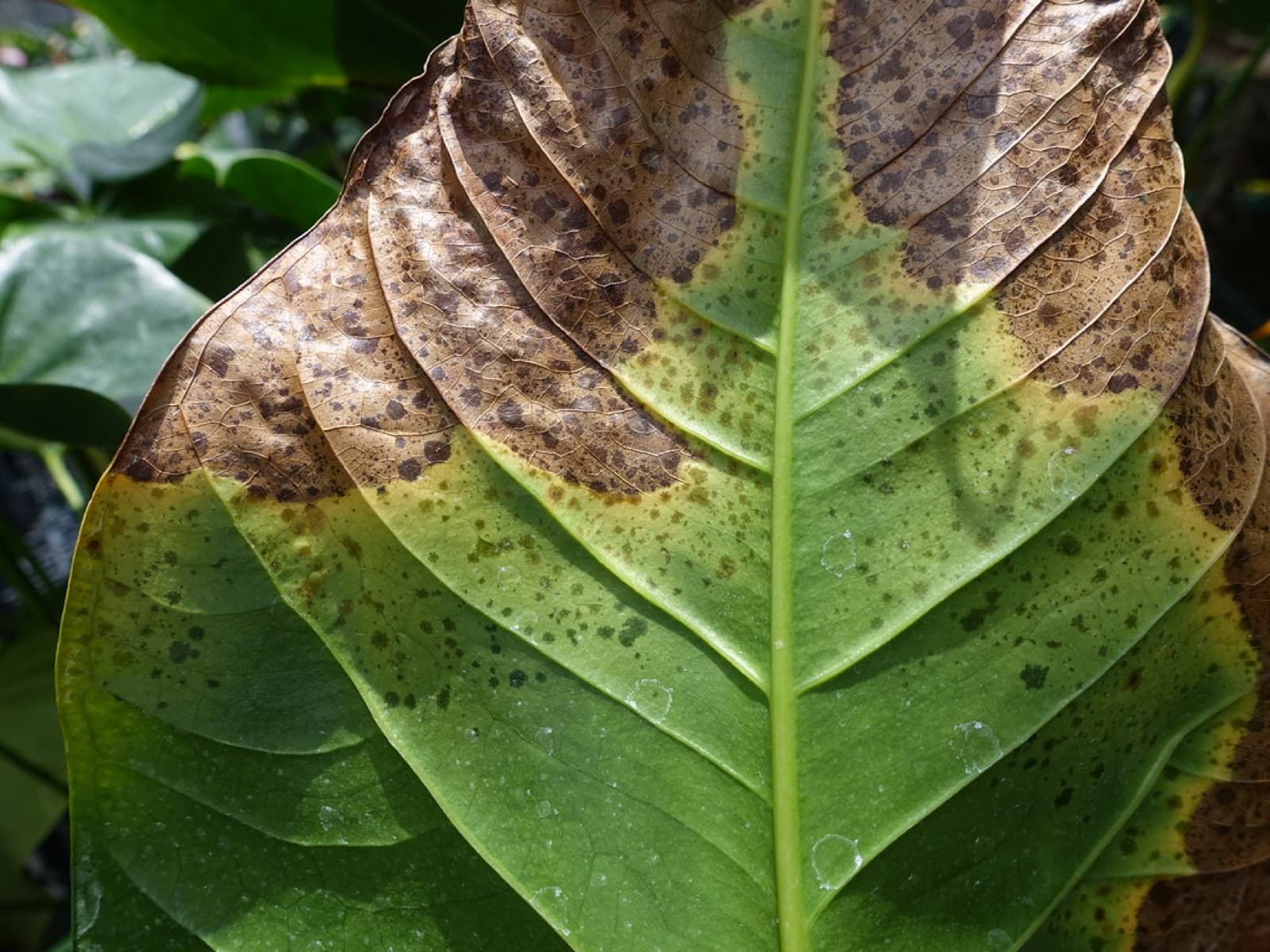
Spots that start small and keep growing are more worrying. Fungal leaf spots are brown to black spots that enlarge with age and form concentric circles with dark, dead centers, often with tiny fruiting structures. Dark spots with yellow margins can also be fungal leaf spot.
They're linked to wet leaves, usually from misting or watering, plus poor air circulation and crowding. They're rare indoors unless a plant came recently from outdoors or a greenhouse.
One spot isn't a diagnosis. Watch for a few days and see whether the spots grow, multiply or appear on new leaves. Halos can show up with bacterial spots as well, so see Bacterial Leaf Spot vs. Fungal Leaf Spot: How to Tell Them Apart before you buy anything. Many leaf spot fungi need hours of continuous leaf wetness to infect, which is why keeping foliage dry works so well.
Very dark, greasy spots from the edge
Some black spots move fast. Xanthomonas leaf spot on Dieffenbachia shows up as very dark, almost black spots with a yellow halo that start along the leaf edge and enlarge rapidly. If they reach the large veins, the leaf can collapse.
This bacterium can infect most aroids, including Aglaonema, Anthurium and Syngonium, and spreads through splashing water, tools, soil and insects. Bacterial spots often look oily or water-soaked, especially from the underside.
Act quickly here. Remove affected leaves, keep the plant away from others and stop wetting the foliage. If the spots keep advancing into stems, the infection may be systemic, which can't be cured. Poor nutrition also favors this disease, so an underfed plant may be more at risk.
Black and mushy? Check the roots
Black that's soft to the touch is a different problem. Bacterial stem rots can look soft and mushy with an unpleasant smell, and stem rot and dark, mushy roots usually trace back to overwatering.
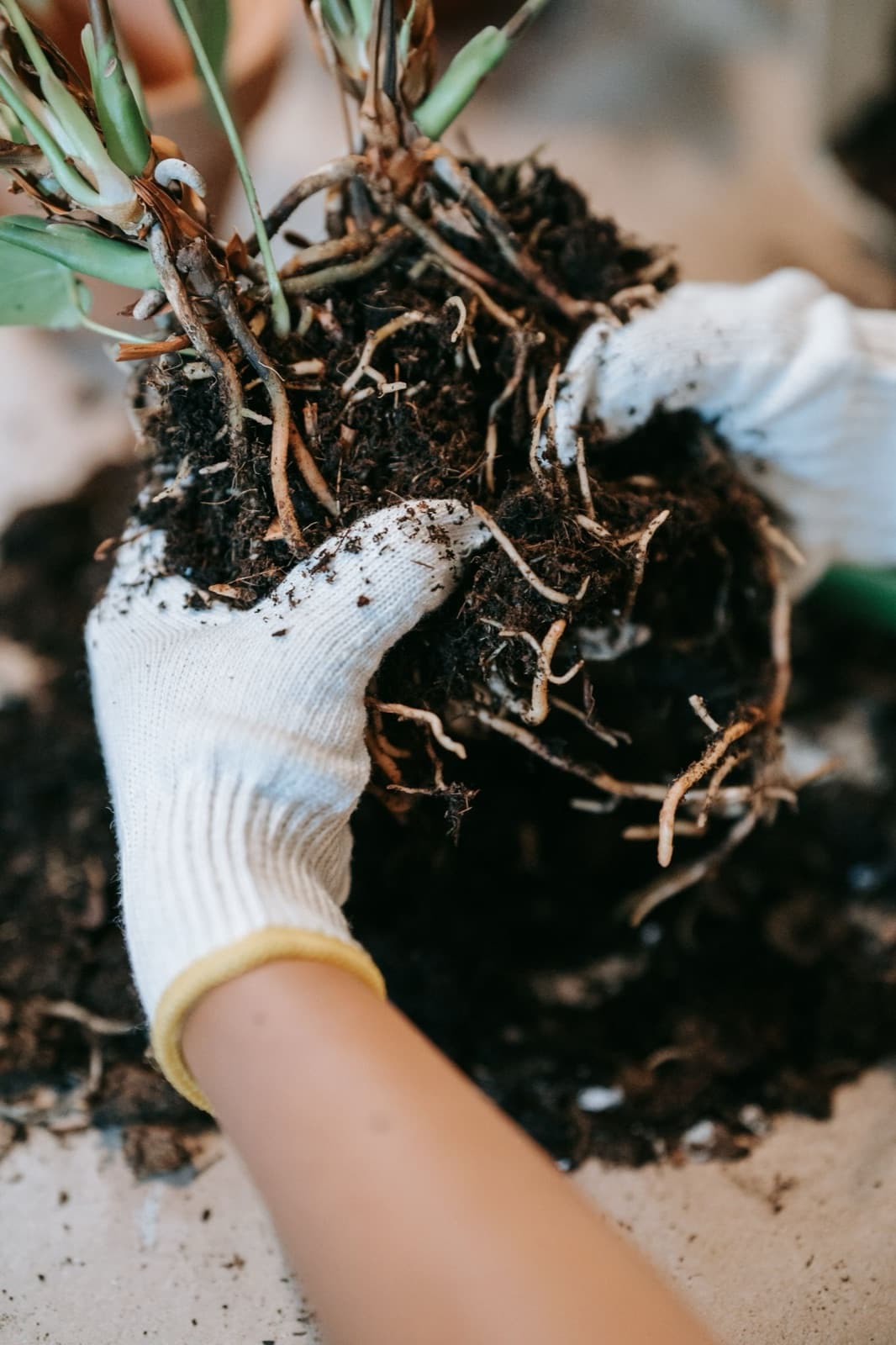
If the plant is wilting in wet soil or the stem base is soft, slide it out of its pot. Diseased roots look dark and soft. Cut out the rotten parts and replant the healthy sections, or take cuttings and root them in sterile mix.
Be realistic about severe cases. Plants with root rot rarely recover once leaves yellow and collapse. For a full rescue walkthrough, see How to Rescue Rotten Roots.
Your black spot action plan
If you've ruled out sooty mold, pests and cold, treat it like a possible disease. Move the plant away from the others, as we do with any poorly plant until we know the cause. Pick off the spotted leaves.
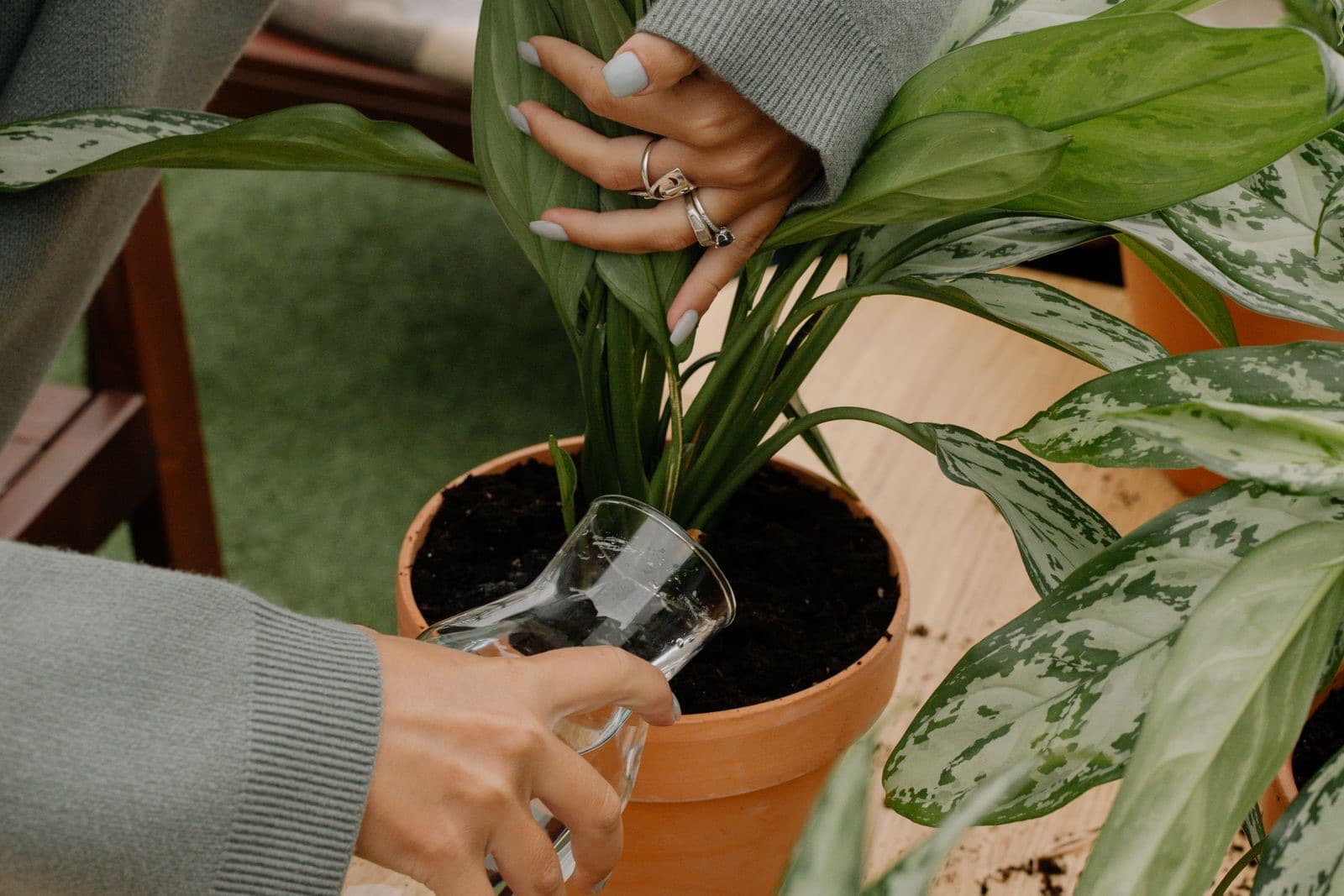
Next, change the conditions. Water early in the day so leaves dry quickly, and space plants so air can move between them. Water the soil rather than the leaves. Wash your hands with soap and water afterward and disinfect your tools in 70% alcohol.
Hold off on sprays unless spots keep spreading. Most fungicides only prevent spread and don't work on bacteria at all, so check that the label lists your plant and the problem.
Judge progress by the new growth. Old spots won't fade, but if new leaves come in clean, your changes are working.
“Sooty mold is a symptom, not the disease. Find the insects making the honeydew.”
Black spots on leaves: common questions
Are black spots on leaves a fungus?+
Sometimes, but not always. Black spots can also be sooty mold, thrips droppings, cold injury, bacteria or rot, so check the clues before treating.
How do I get rid of black film on my plant's leaves?+
Wipe it off with water or mild soapy water. Then find and treat the sap-sucking insects producing the honeydew it grows on, or it will return.
Should I remove leaves with black spots?+
If the spots are spreading, yes. Removing them reduces the chance of disease spreading to new leaves and nearby plants.
Can cold cause black spots on houseplants?+
Yes. Cold can blacken leaves, and damage can keep appearing for up to a week after exposure below 50°F (10°C).
When should I throw out a plant with black spots?+
Consider it if spots spread into the stems, the tissue turns mushy and smells rotten, or most roots are dark and soft. These signs point to systemic infection or severe rot.
Diagnose it with a photo
Not sure which guide fits? Snap the affected leaf in the OFPlants app and Pole, our plant doctor, names the most likely cause, how confident it is, and what to do now and over the next week.
 Get it onGoogle Play
The bottom line
Black spots are worth a closer look, not panic. Wipe-off film points to pests, shiny specks point to thrips, sudden blackening points to cold, and spots that grow or turn mushy point to disease or rot. For brown spots and patches, see Brown Spots on Houseplant Leaves: Fungus, Bacteria, or Something Else?