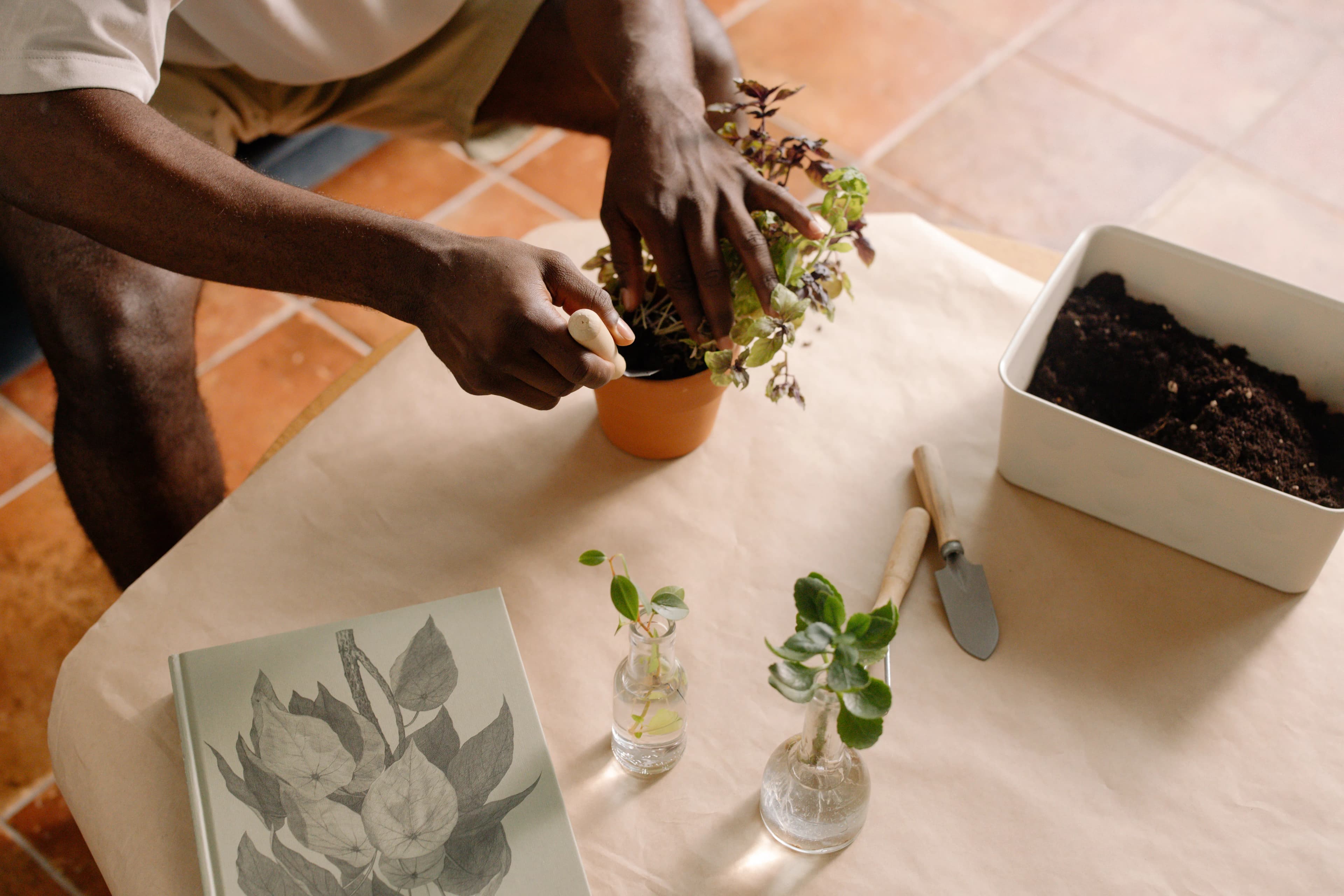
Why Is My Plant Not Growing?
Common Causes and Solutions for Beginner Plant Owners
Understanding Plant Growth
Plant growth can be a complex process influenced by a variety of factors. As a beginner plant owner, it's essential to understand that patience and proper care are key to nurturing your houseplants. Whether you're dealing with a slow-growing plant or one that appears to have stalled entirely, there are several common causes to consider.
Generic Houseplant at a glance
- Water
- Moderate watering, allow soil to dry slightly
- Light
- Bright, indirect sunlight
- Humidity
- Prefers higher humidity
- Temperature
- 65-75°F (18-24°C)
- Difficulty
- Easy to moderate
Common Reasons for Stunted Growth
There are a few usual suspects when it comes to a plant that isn't growing as expected. These include insufficient light, improper watering, lack of nutrients, and environmental stressors.
1. **Insufficient Light:** Plants need light to photosynthesize and grow. Without enough light, growth can be stunted.
2. **Improper Watering:** Both overwatering and underwatering can stress your plant, leading to poor growth.
3. **Nutrient Deficiency:** Plants require various nutrients to thrive. A lack of essential nutrients can halt growth.
4. **Environmental Stress:** Factors such as low humidity, incorrect temperature, or drafts can adversely affect plant health.
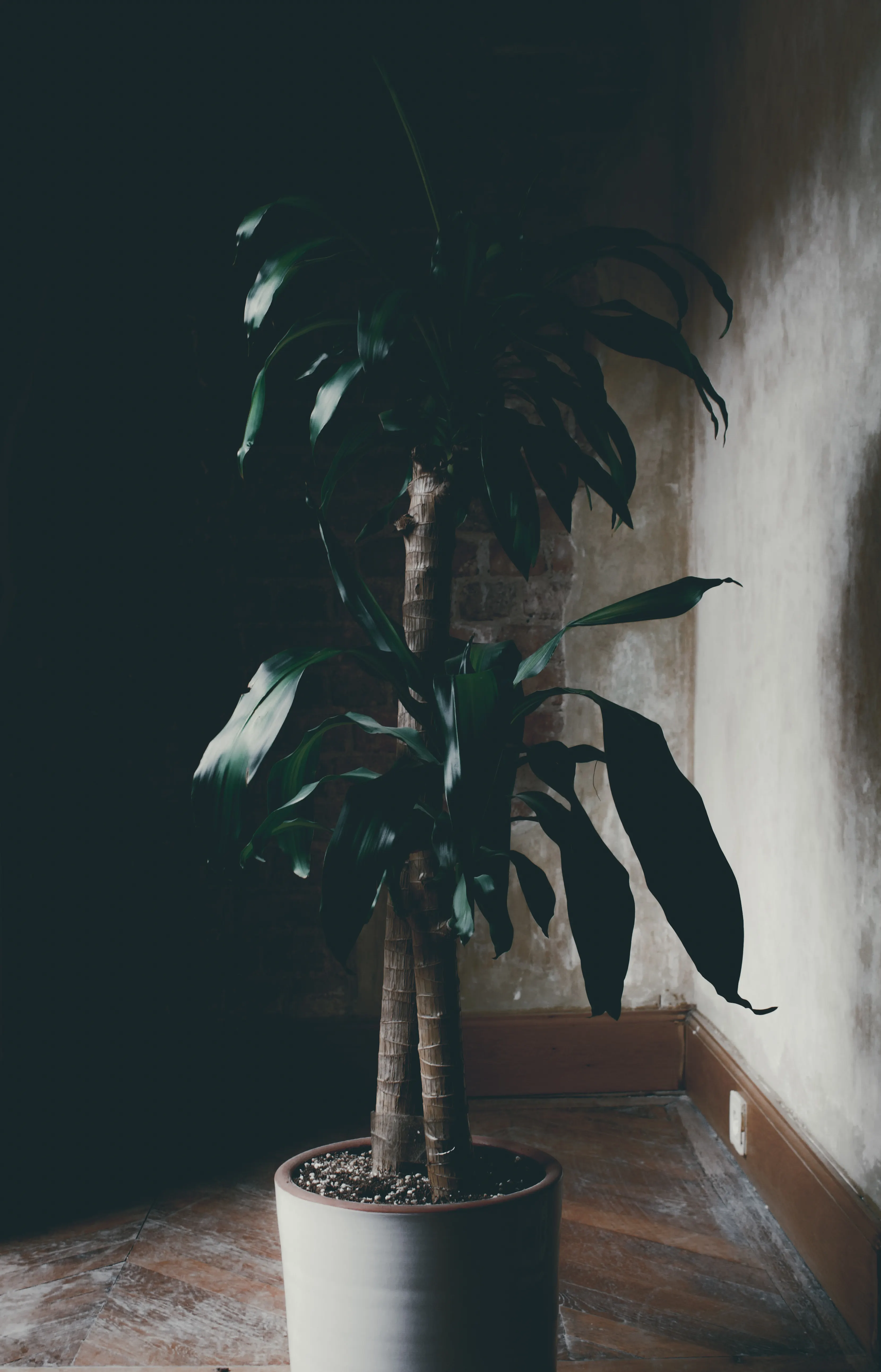
Solutions for Encouraging Plant Growth
Identifying the cause of your plant's stunted growth is the first step to helping it recover. Here are some solutions based on the common issues discussed:
- **Adjusting Light:** Move your plant to a brighter location or consider supplemental lighting options.
- **Optimizing Watering:** Use a moisture meter to help determine when your plant needs water. Too much or too little can both be detrimental.
- **Providing Nutrients:** Feeding your plant with an organic fertilizer can supply the necessary nutrients for growth.
- **Improving Environment:** Maintain a stable temperature and humidity level, and avoid placing plants in drafty areas.
Frequently Asked Questions
How often should I water my plant?+
The watering frequency depends on the plant type and environment. Use a moisture meter to check soil moisture before watering.
Can I use any fertilizer for my plant?+
It's best to use a fertilizer specifically designed for houseplants. Organic options are usually a safe choice for most plants.
What is the ideal light for indoor plants?+
Most houseplants thrive in bright, indirect light. Direct sunlight can be too harsh, while low light might not be sufficient.
How can I increase humidity for my plants?+
You can increase humidity by misting your plants, using a humidity tray, or placing a humidifier nearby.
Download Our Plant Care App
The Bottom Line
Plant growth issues are common among beginner plant owners, but with the right knowledge and tools, you can help your plants thrive. Pay attention to light, watering, nutrients, and environmental conditions to create a nurturing environment for your green companions. Remember, patience and consistent care are key!