Root Rot vs Overwatering
One is the cause, one is the disease
Not quite your symptom? Browse all our plant problem guides to match what you're seeing to a cause.
People use "overwatering" and "root rot" as if they mean the same thing. They're related, but they aren't the same. Overwatering is something you do. Root rot is something that happens to the roots, usually because of it.
That difference matters, because fixing one doesn't automatically fix the other. Here is how soggy soil turns into disease, who the culprits are, and what it takes to deal with both.
One is a habit, the other is a disease
Overwatering means watering too often or too much for the plant, the pot and the season. It's a condition you create. Root rot is an infection. Pythium, Phytophthora, Rhizoctonia solani and Fusarium are the most common root rot organisms in houseplants.
The two are linked. Overwatering decreases the oxygen available for root growth and favors root diseases, and root rot usually goes hand in hand with poor drainage and overwatering.
So think of overwatering as the open door and root rot as the intruder that walks through it. You can have the first without the second, especially if you catch it early.
Why soggy soil hurts roots
Roots breathe. When potting mix is saturated, water displaces the air between soil particles, and roots can literally drown. Waterlogging limits oxygen to the roots and stops carbon dioxide from escaping.
Without oxygen, roots can't do their job. Roots short of oxygen cannot absorb water or nutrients, which is why a waterlogged plant often looks thirsty. Some symptoms are easily confused with too little water, because the plant actually is water stressed.
Waterlogging also does more harm when roots are active and warm than in cold, dormant conditions. A plant in a cool winter room uses less oxygen and less water, so the same watering habit that was fine in summer can flood it in January.
Step one: suffocation. Step two: invasion
Prolonged soil saturation kills roots on its own, even before any disease shows up. The plant then can't take up enough water.
Then comes the second act. As root function slows and roots start to die off, rots and decay organisms move in. Excess soil moisture also makes plants more susceptible to root decay pathogens, especially Phytophthora.
This is why some overwatered plants recover with a simple drying-out while others keep declining. If the roots only suffocated briefly, new growth can take over. If organisms have moved in and are spreading, you're dealing with disease, and the fix has to go further.
Meet the water molds behind root rot
Pythium and Phytophthora are often called fungi, but Phytophthora is technically not a true fungus. It's more closely related to brown algae. It still looks and acts like a fungus, with one important difference: most fungicides don't control it well.
Water is how these organisms travel. When free water fills the soil pores, Phytophthora's resting spores germinate into swimming spores that actively hunt for roots. Outdoors, Phytophthora diseases can develop with as little as 4 to 8 hours of soil saturation.
Pythium also moves on dirty tools and pots, in contaminated mix, and in greenhouses even on fungus gnats and shore flies. For houseplants, the takeaway is simple: a constantly soggy pot is their highway.
Rhizoctonia and Fusarium round out the four
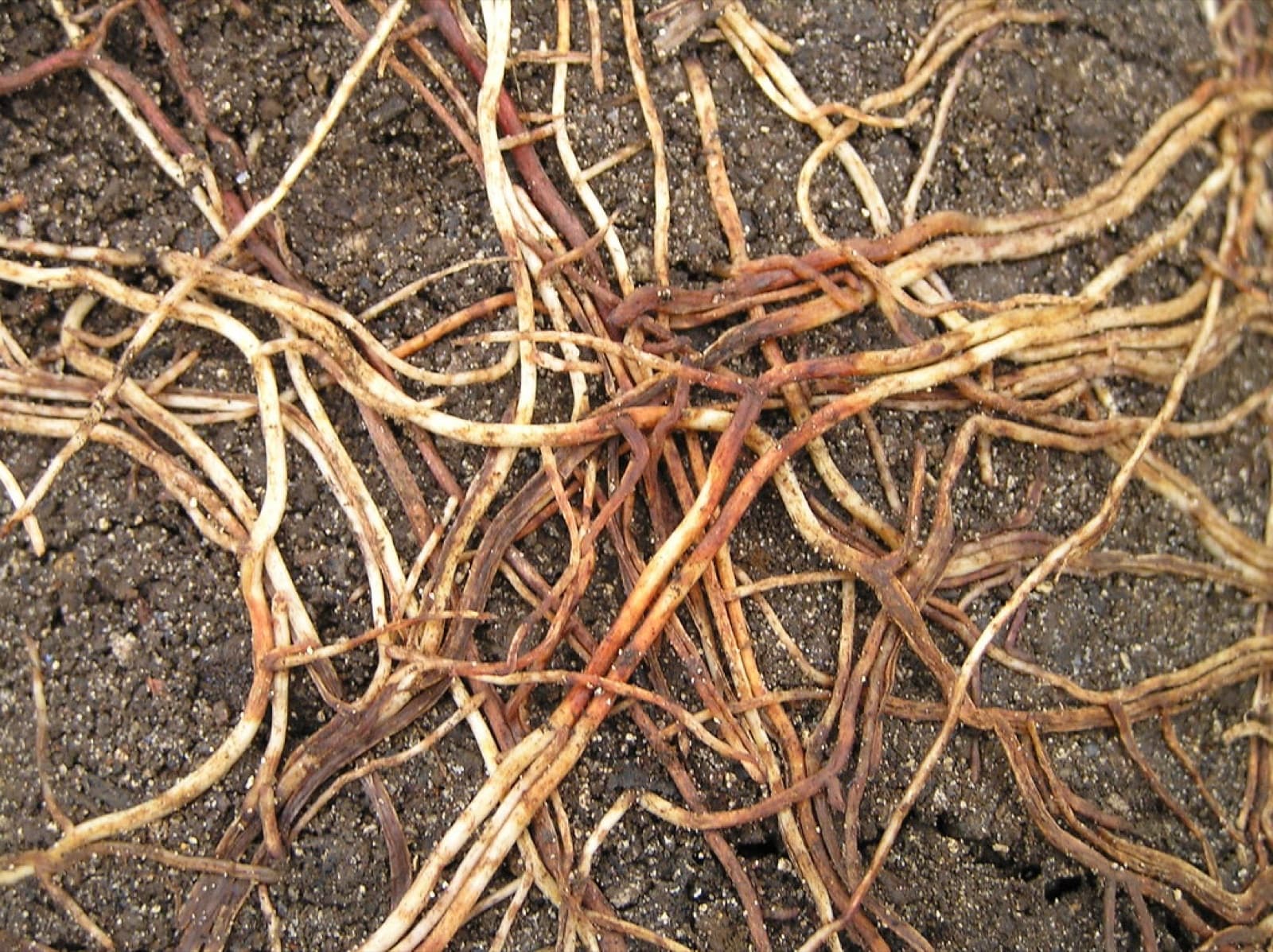
Not every root rot needs a swamp. Rhizoctonia shows up when it is warm and moist, and grows as coarse reddish brown threads that often look like spider webs over stems and roots. It favors warm soil of 70 to 90°F and even, moderate moisture, not just saturated mix.
Rhizoctonia also often rots stems right at the soil line with brown to reddish brown lesions. That's one reason the line between root rot and stem rot blurs.
Fusarium is the fourth common culprit. You won't tell it apart from the others at home, and you don't need to. Your fix starts the same way regardless of which organism is to blame.
Why you can't tell by looking
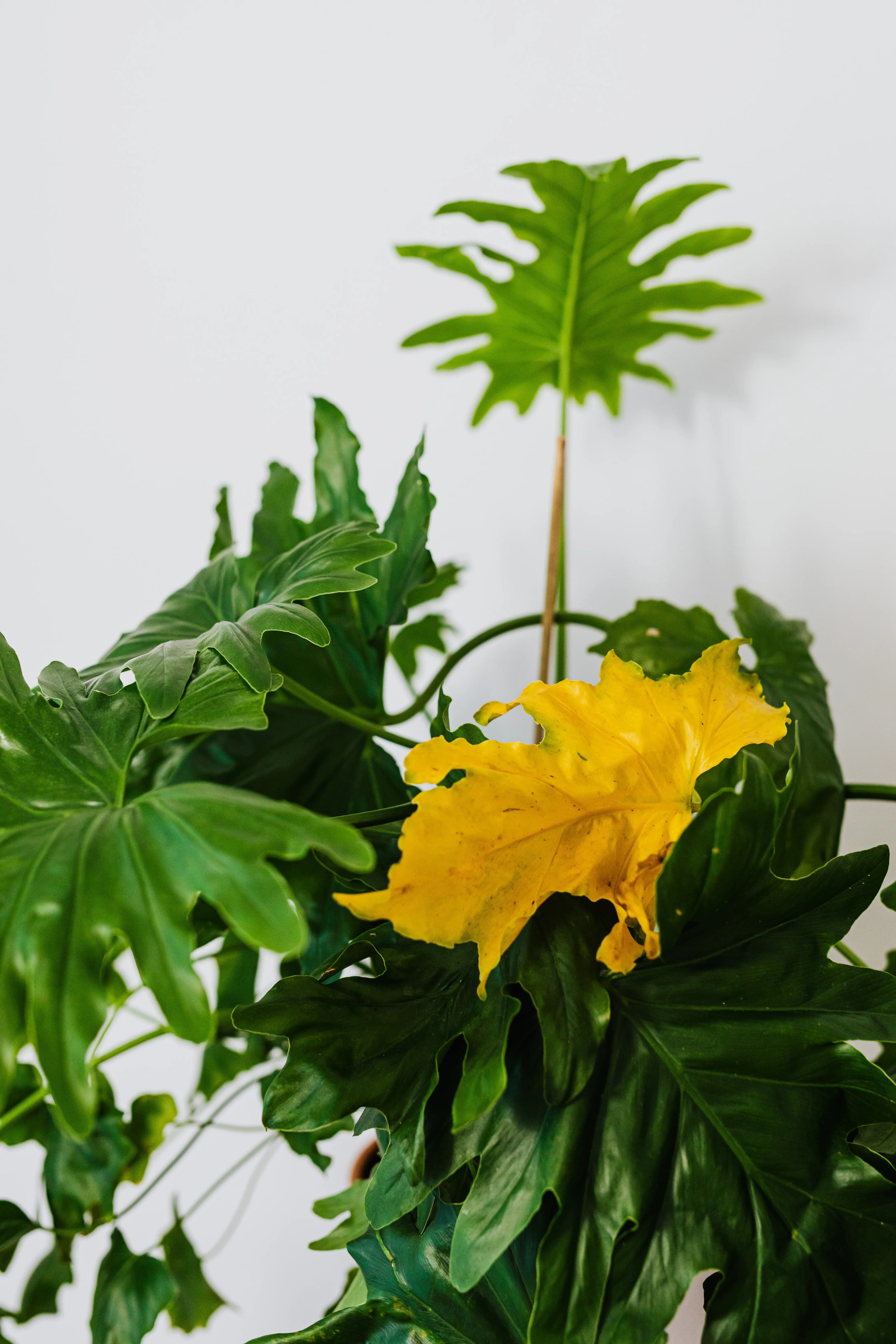
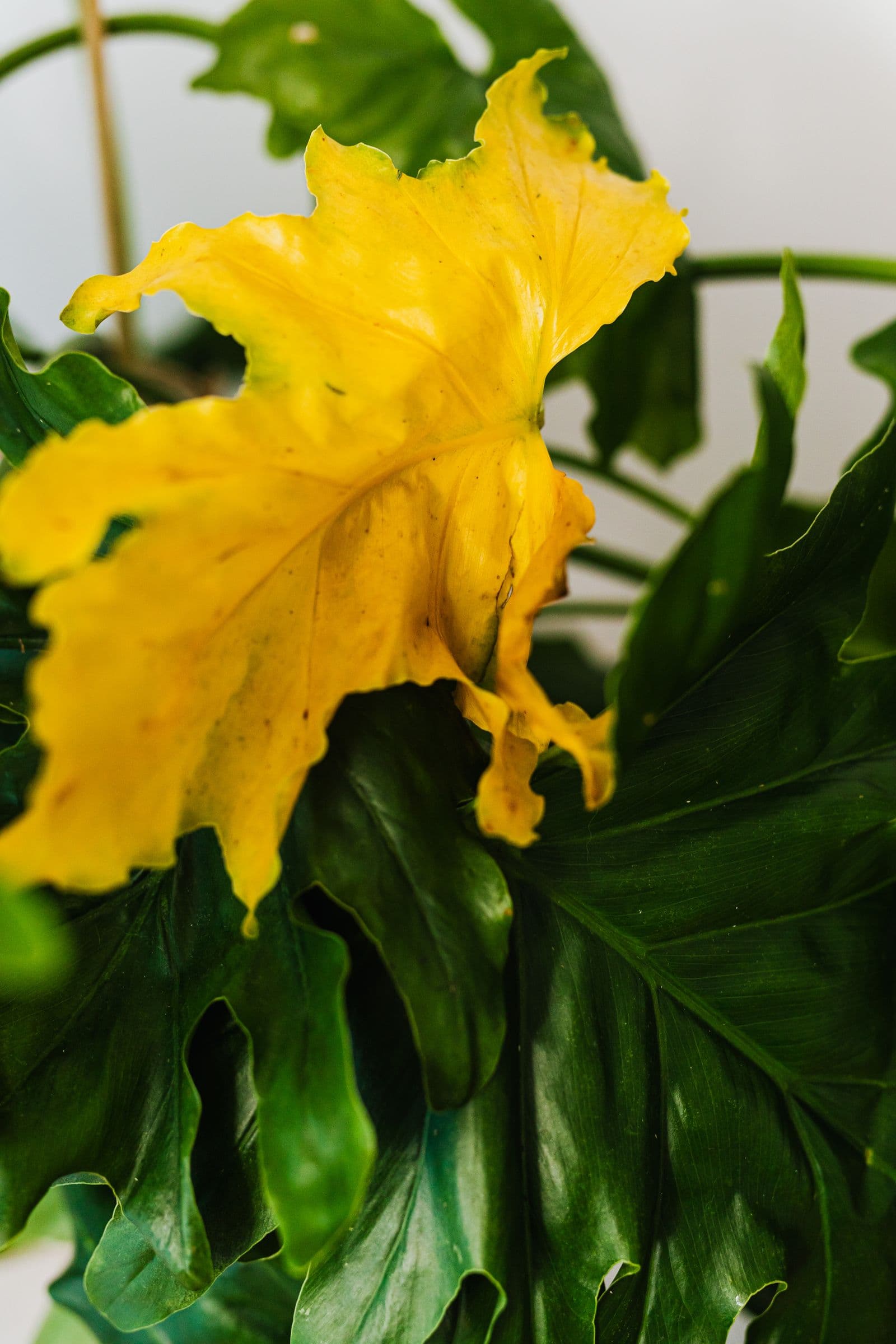
Here is the honest truth: an overwatered plant and a root rot plant can look identical from above. Too much water can cause leaf symptoms that resemble too little, and root decay looks the same from the top.
It gets trickier. Over-fertilizing, too much or too little water, chilled roots and a pot-bound plant can all cause the same symptoms as rot fungi. Identifying the actual pathogen takes a lab, where roots are examined under a microscope or cultured.
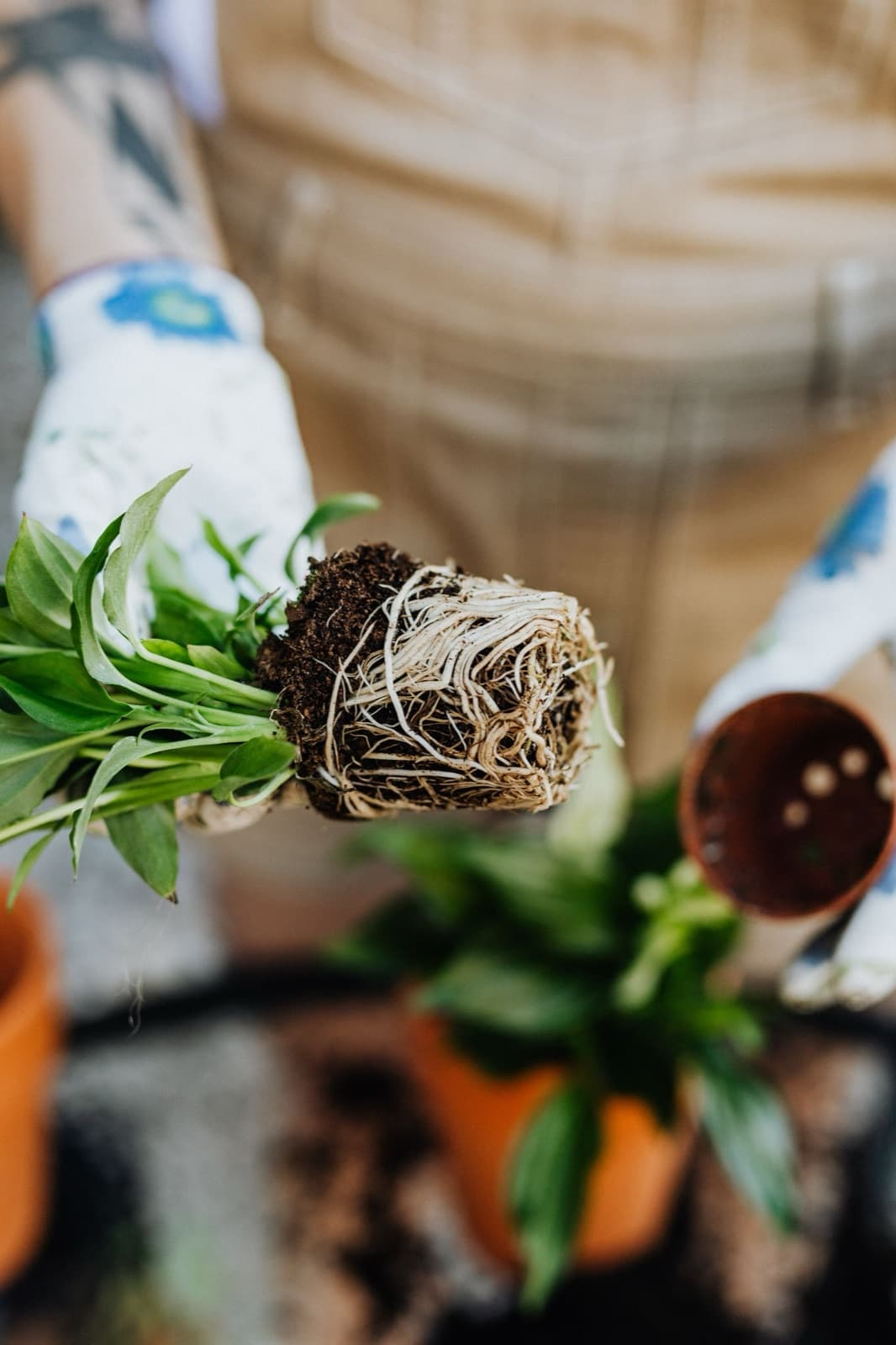
At home, your best evidence is the roots themselves. If they're still pale and firm, it's overwatering without serious rot yet. If they're dark, mushy and falling apart, rot has set in. For the leaf clues, see Why Overwatering Turns Leaves Yellow (and How to Tell for Sure).
Fix the cause and the result
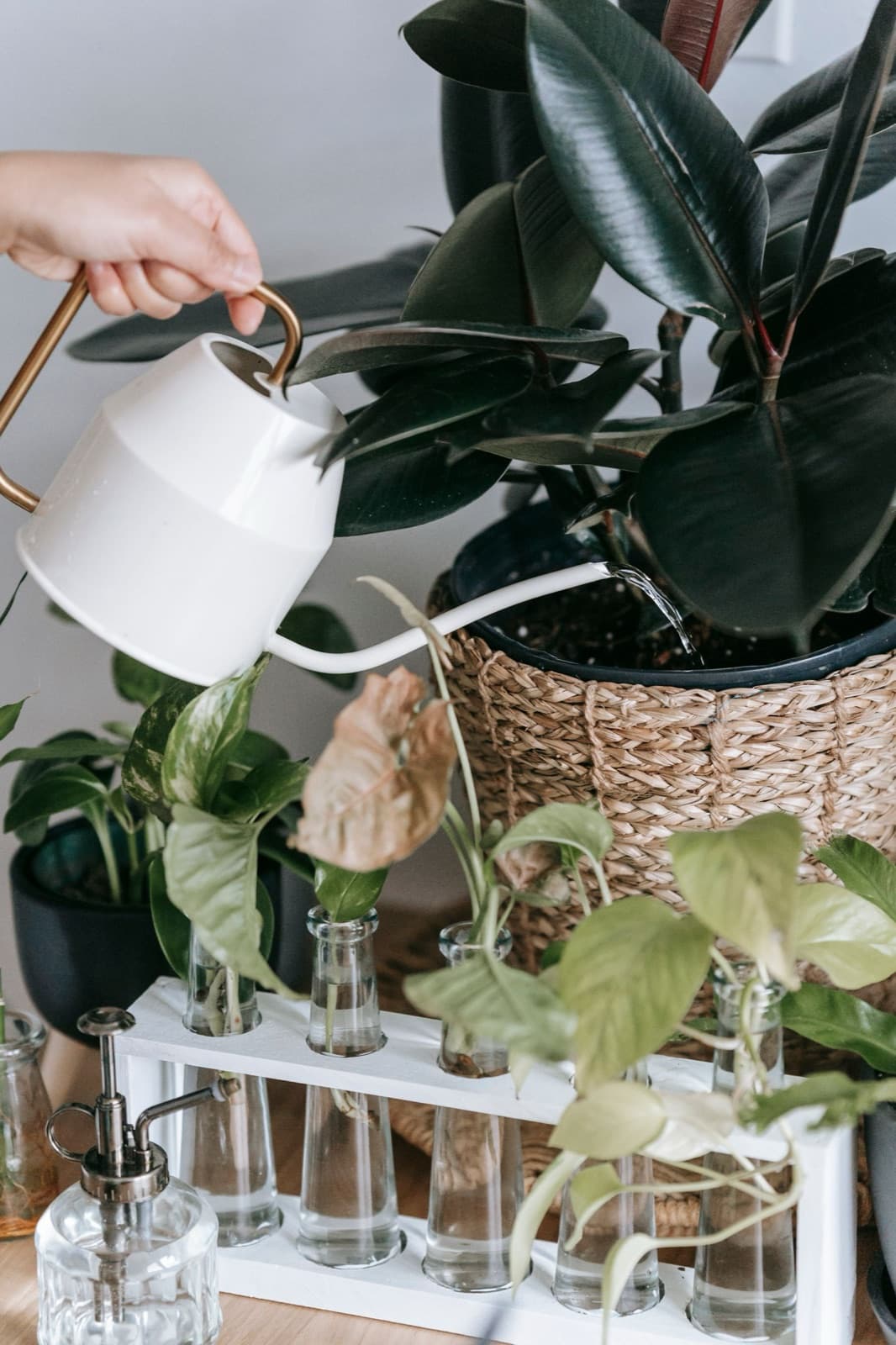
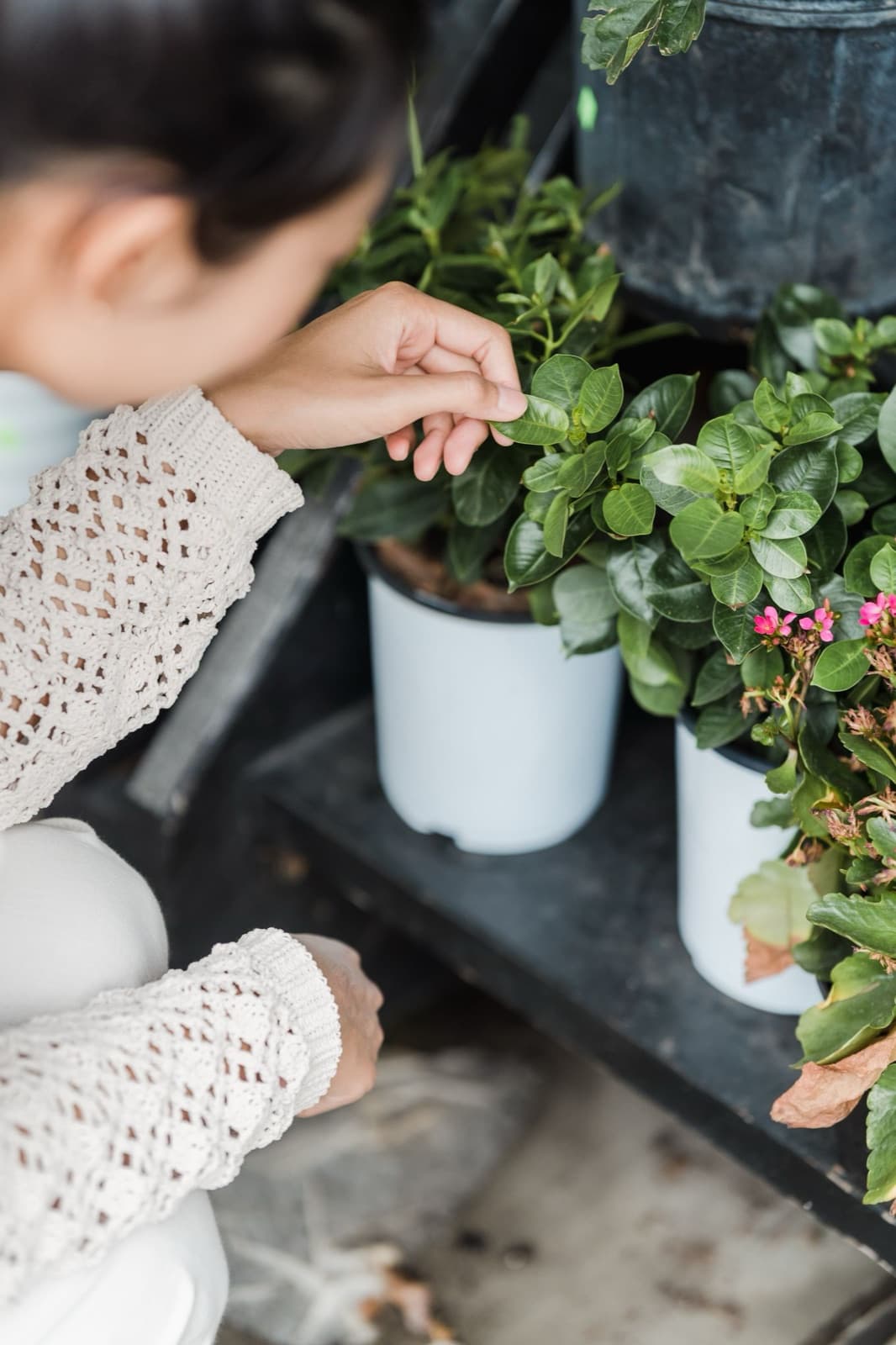
Fixing the cause means changing how you water. Our advice is blunt: reduce soil moisture, but give enough water to avoid drought stress. Use a pot with drainage holes, skip the gravel layer, and never let the plant sit in drainage water. Let the top of the soil dry between waterings and water only as often as needed.
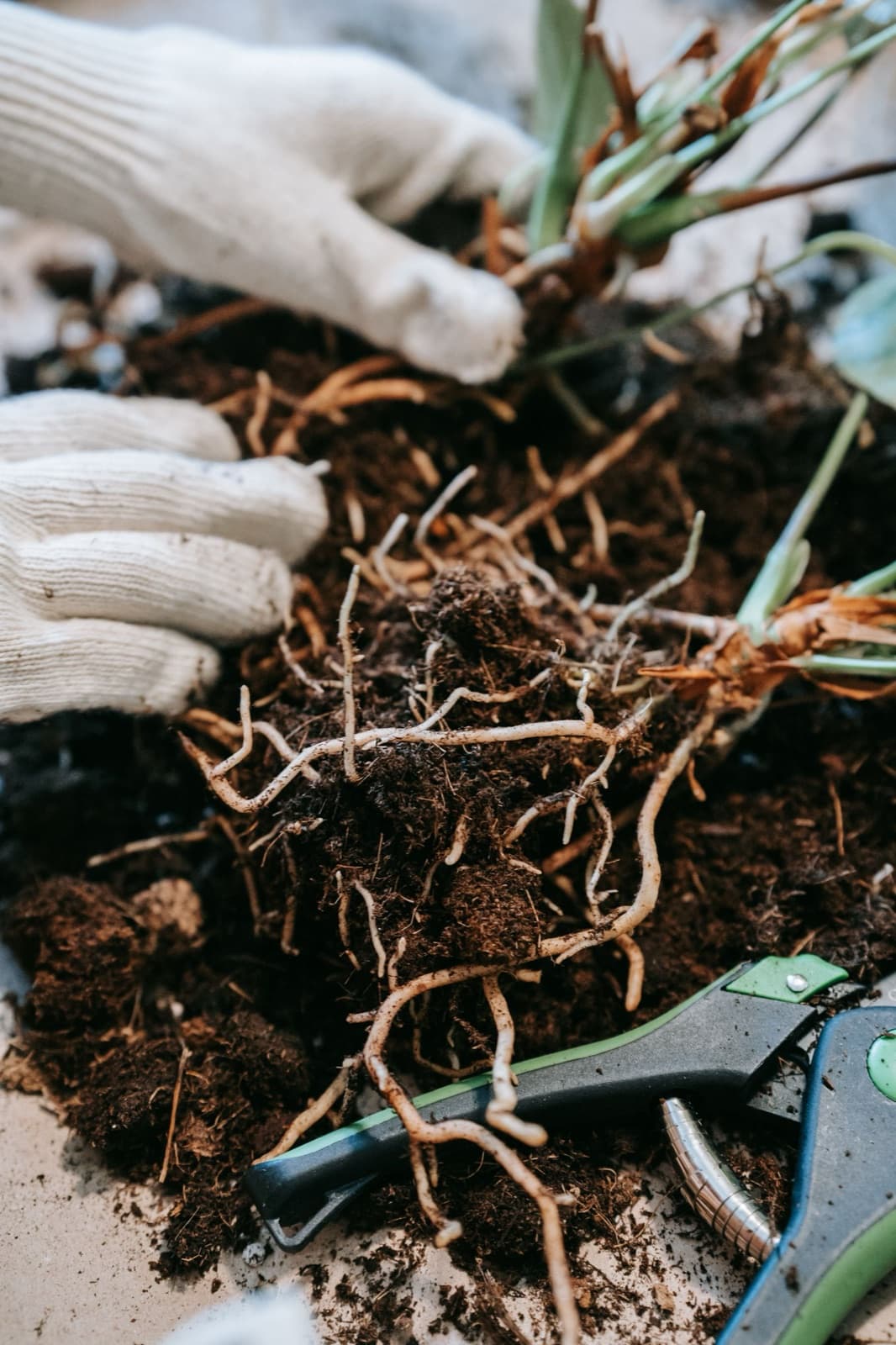
Fixing the result is a separate job. Dead roots do not recover; new roots must grow. Trim away what's rotted and repot into fresh pasteurized mix, not garden soil, and don't reuse the old mix. How to Rescue Rotten Roots: 7 Steps to Save an Overwatered Plant covers the steps in detail.
For old pots, we soak clay pots in a 10% bleach solution and skip reusing plastic ones, which are hard to clean. We don't reach for chemical fungicides for houseplant root rot either. Curious about regrowth? Read Can a Plant Grow New Roots After Root Rot? What Recovery Looks Like.
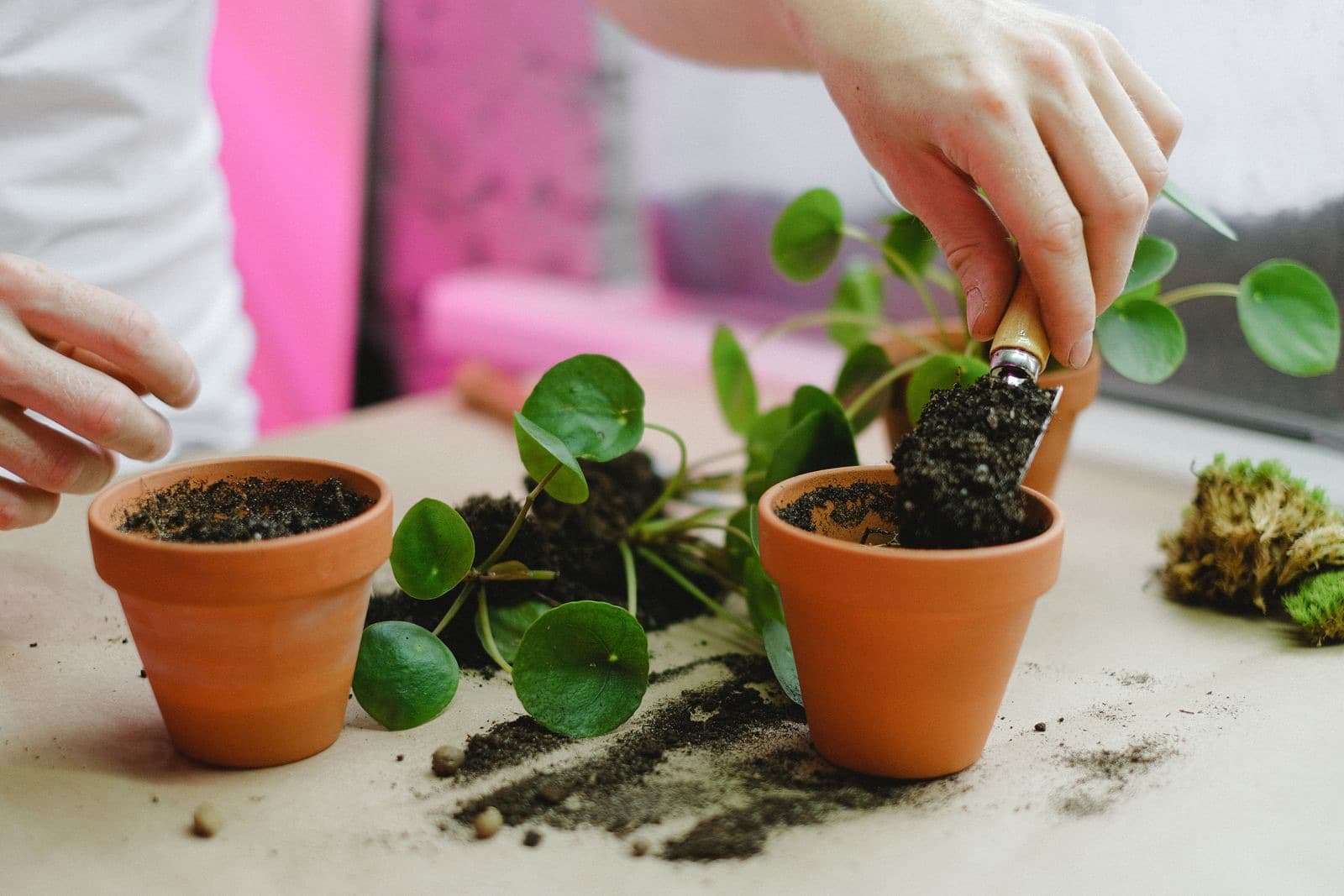
“Drying out stops the damage. Only new roots bring the plant back.”
Root rot vs overwatering: common questions
Is overwatering the same as root rot?+
No. Overwatering is a care habit that starves roots of oxygen. Root rot is a disease caused by soil organisms such as Pythium, Phytophthora, Rhizoctonia and Fusarium, which waterlogged roots are more likely to get.
Can a plant be overwatered without having root rot?+
Yes. If you catch it early, the roots may only be stressed. Pale, firm roots mean you can usually fix the problem by letting the mix dry and adjusting your watering.
How do I know if overwatering has turned into root rot?+
Check the roots. Brown to black, soft roots with few white tips point to rot, while firm, pale roots suggest the plant is just too wet.
Will letting the soil dry out cure root rot?+
Drying out stops new damage, but dead roots don't recover. You'll need to trim rotted roots, use fresh mix and wait for new roots to grow.
Should I use a fungicide for root rot?+
We don't recommend chemical fungicides for houseplant root rot, and most fungicides don't control Phytophthora well anyway. Better drainage and watering habits do far more.
Diagnose it with a photo
Not sure which guide fits? Snap the affected leaf in the OFPlants app and Pole, our plant doctor, names the most likely cause, how confident it is, and what to do now and over the next week.
 Get it onGoogle Play
The bottom line
Overwatering is the cause; root rot is the disease it invites. Soggy mix suffocates roots first, then water molds and fungi move into the dying tissue. Fix both: water less and improve drainage, then trim rotted roots and repot in fresh mix. For the hands-on steps, read How to Rescue Rotten Roots: 7 Steps to Save an Overwatered Plant.