How to Rescue Rotten Roots
7 steps to save an overwatered plant
Not quite your symptom? Browse all our plant problem guides to match what you're seeing to a cause.
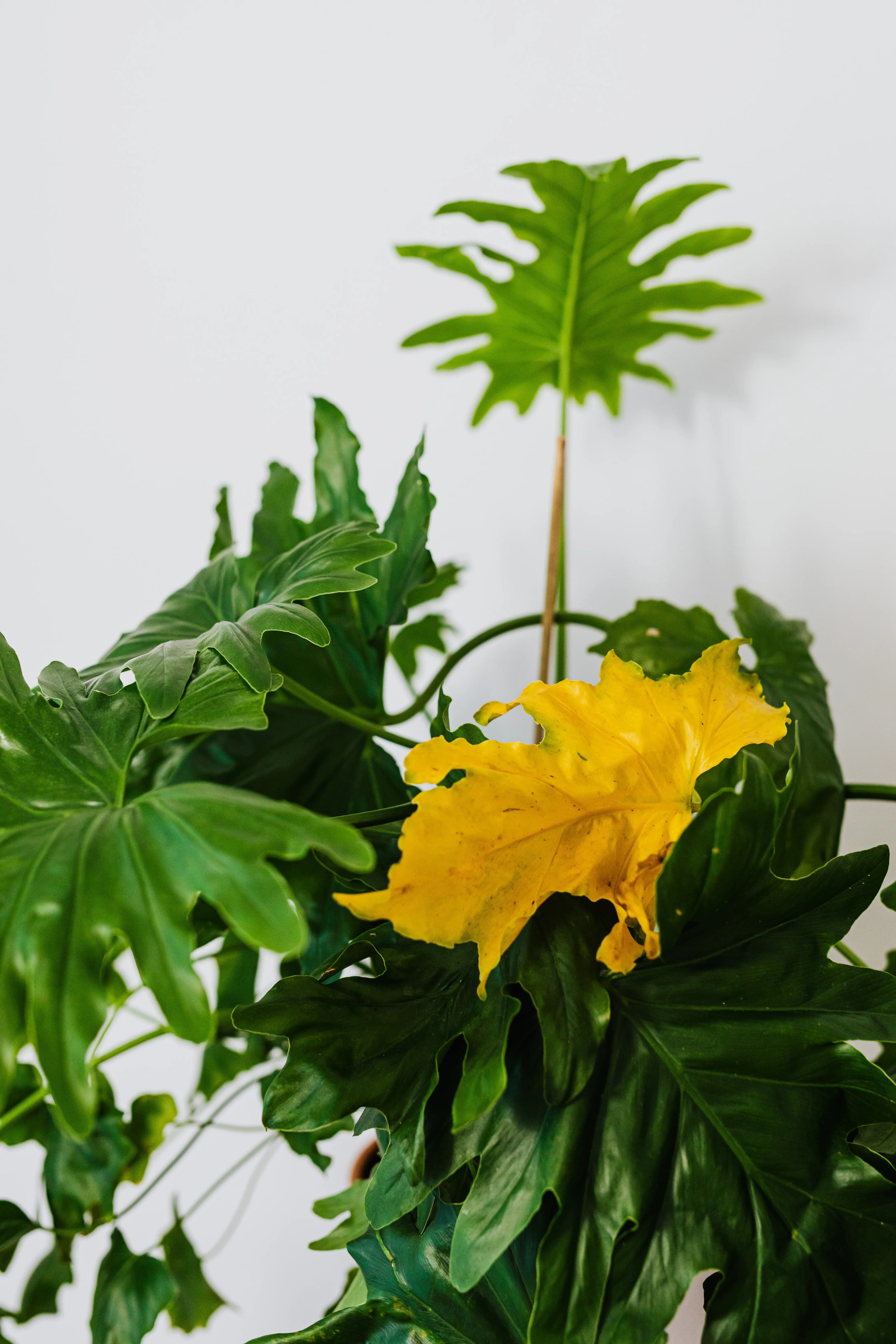
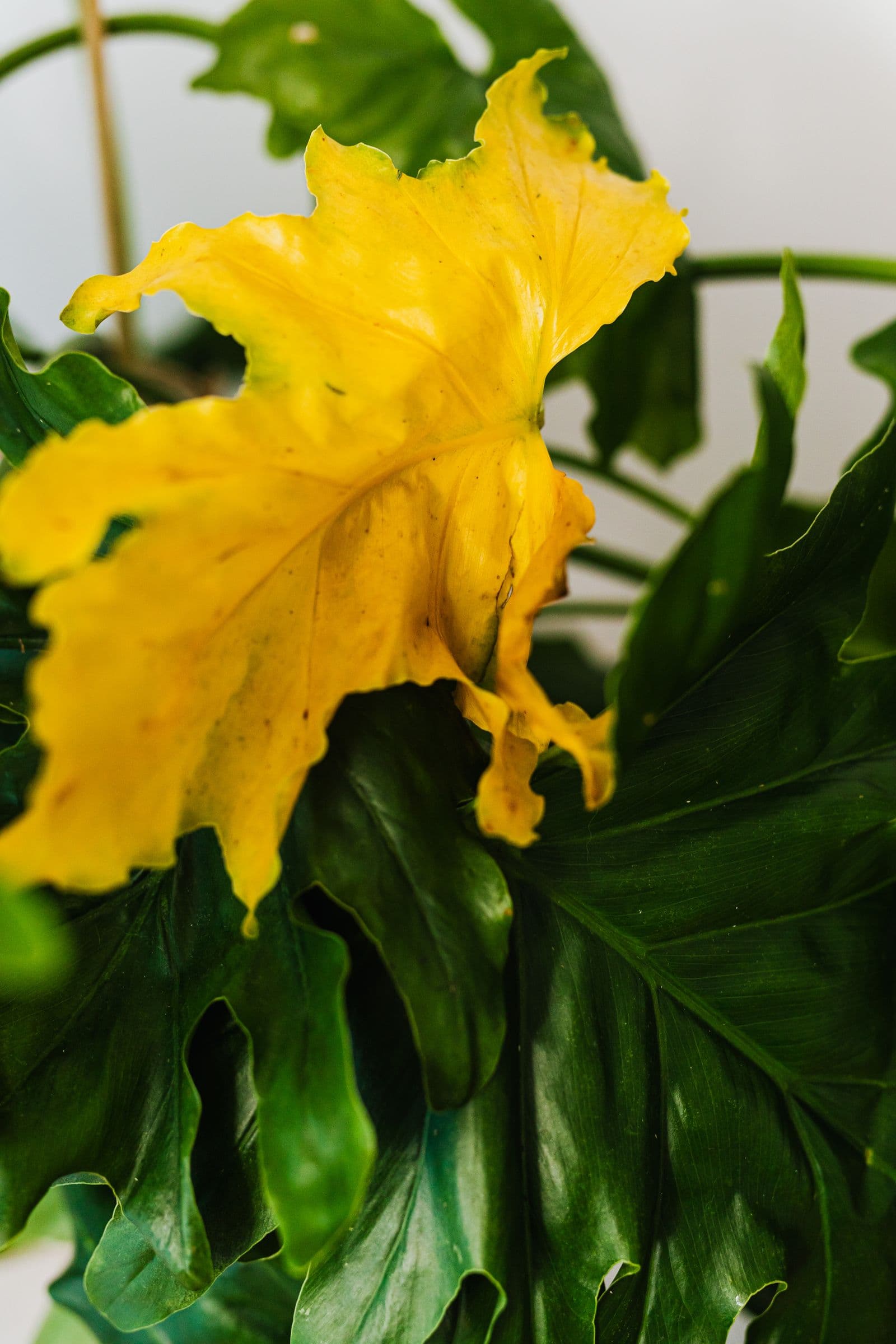
You can often rescue an overwatered plant, even if some leaves have turned yellow or brown. The key is to save the healthy roots first, stop the rot from spreading, and give the plant time to recover.
Work through these seven steps in order. Don't skip the root check: what you find there decides how you treat the plant.
Step 1: Stop the watering
Don't add more water while the soil is still wet. Empty any water sitting in the saucer or decorative outer pot.
Move the plant to a spot with bright, indirect light and gentle airflow. Don't put it in harsh direct sun to dry it faster; that only adds stress.
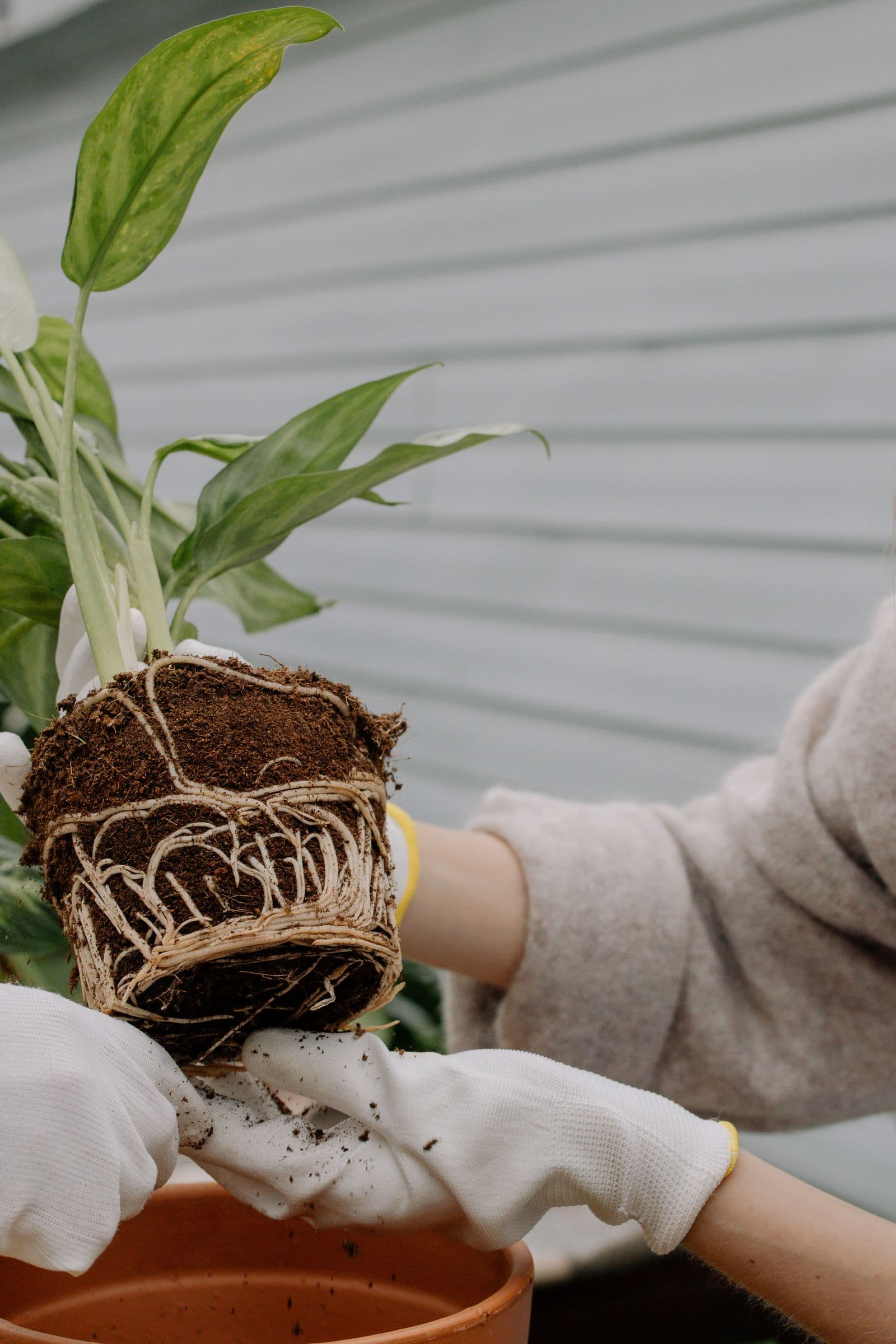
Step 2: Check the roots
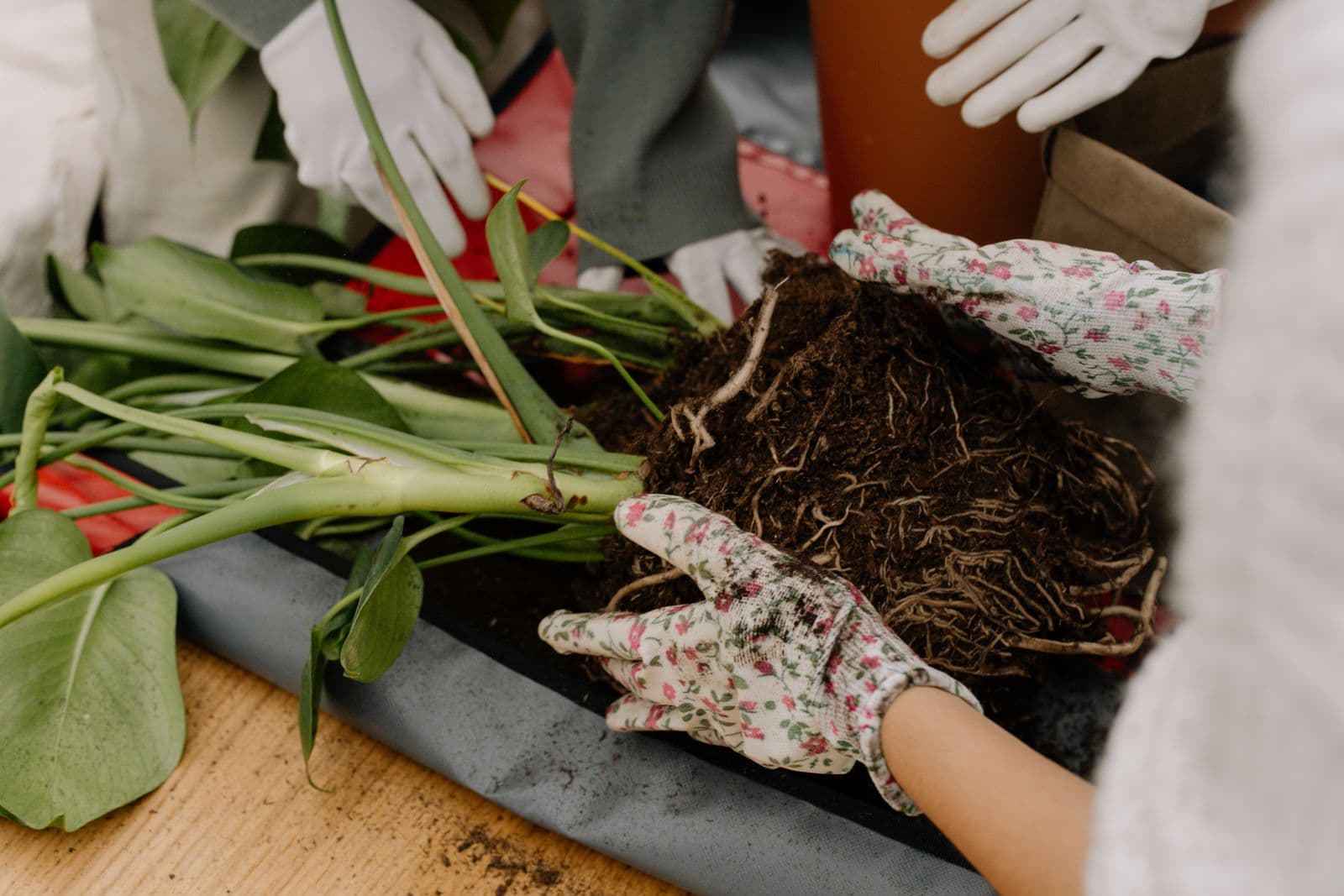
If the soil is staying wet and the leaves are yellowing, gently slide the plant out of its pot and inspect the root ball.
Healthy roots are firm and may be white, cream, tan or light brown depending on the species. Rotting roots are soft, mushy, slimy or hollow, and often smell sour or unpleasant. Roots falling apart or a soft, dark stem base are more serious signs.
Step 3: Cut away the rot
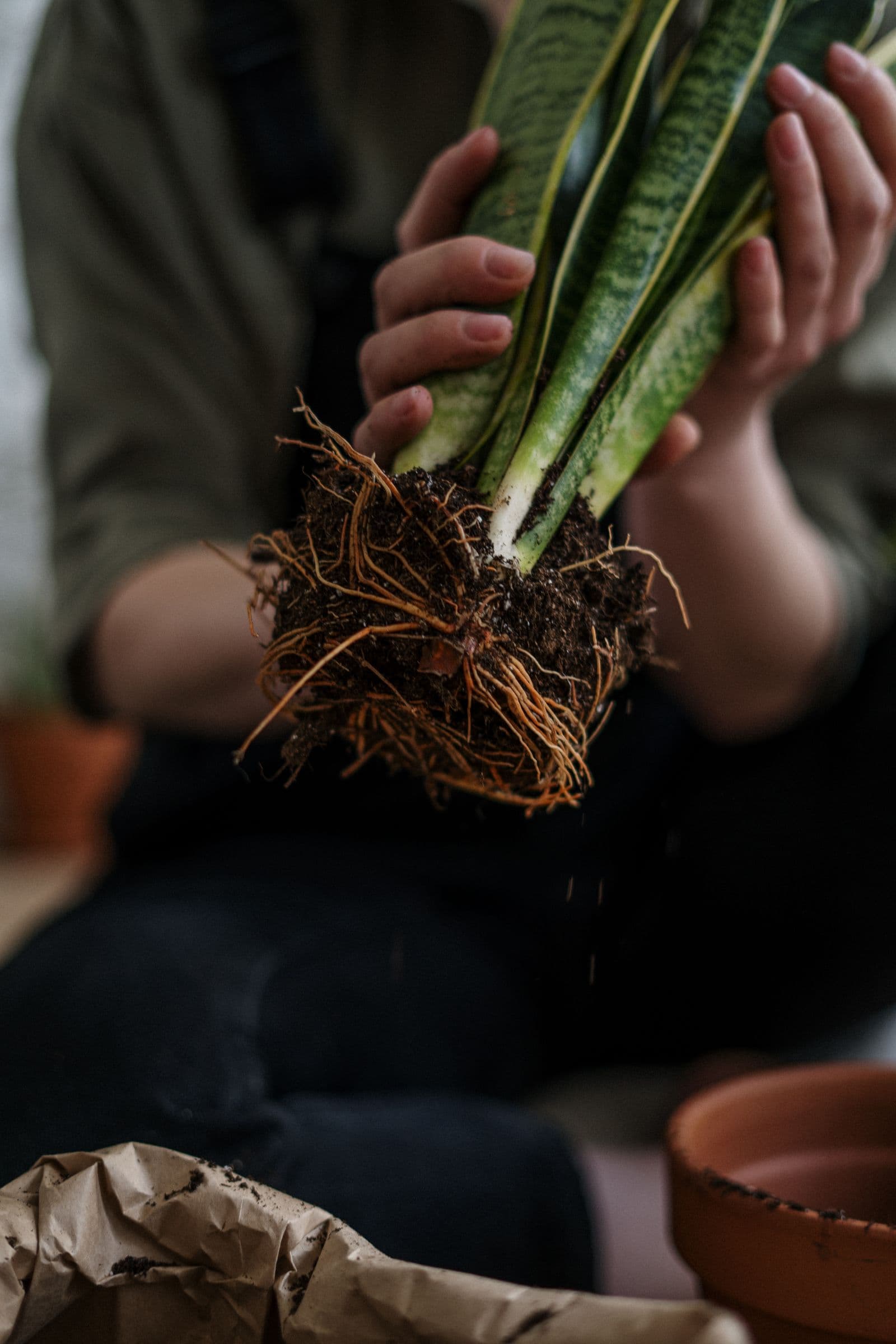
Use clean, sterilized scissors to remove mushy or dead roots. Keep every firm, healthy root intact.
Don't remove a root just because it's brown. Color alone doesn't mean rot; texture and smell are better clues. If all the roots are firm, don't cut anything.
Step 4: Trim rotten leaves
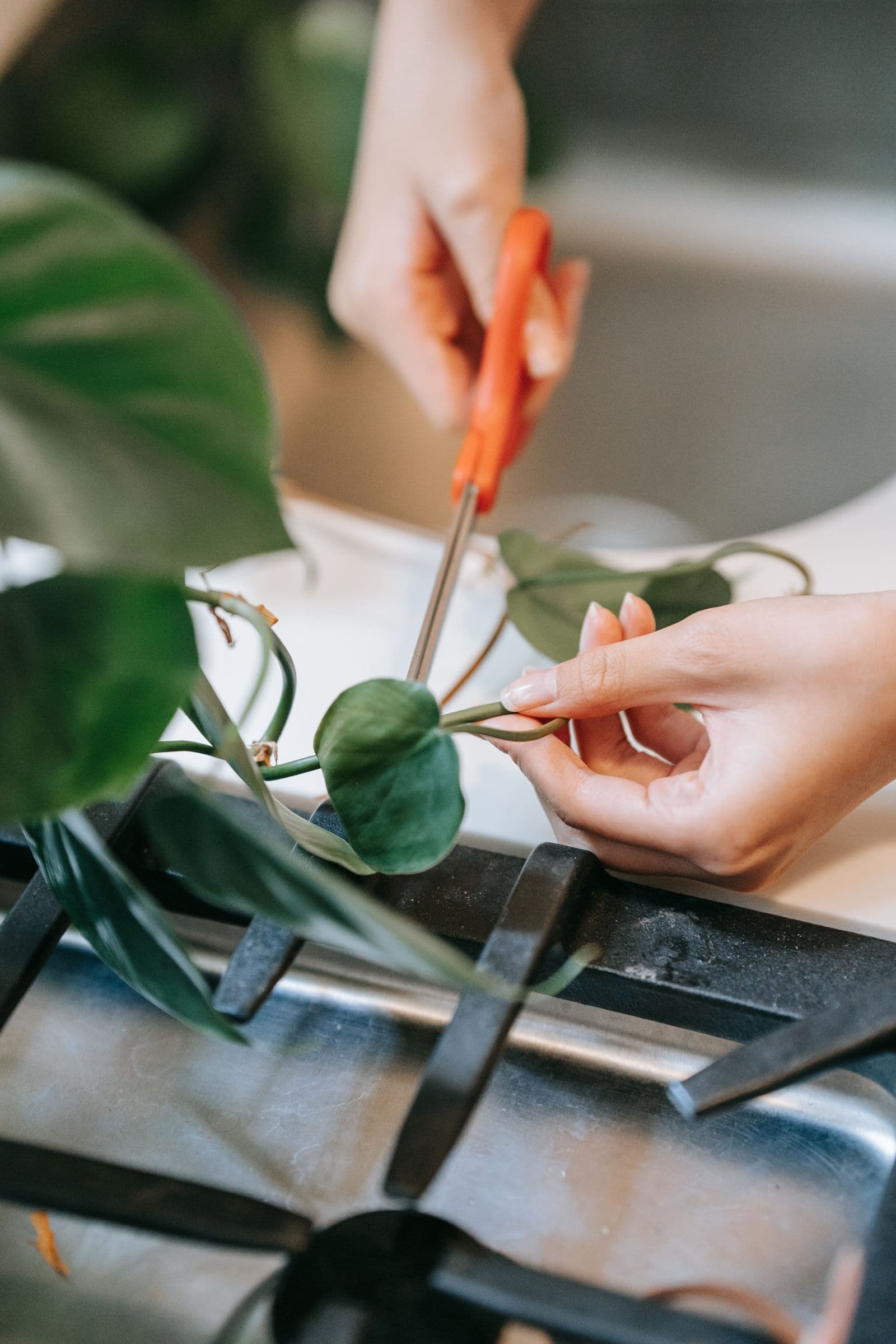
Trim leaves that are completely yellow, black or mushy, and remove soft, rotting stems if the damage extends into them. Use clean scissors to avoid spreading pathogens.
A partly yellow leaf with plenty of green can often stay until you know how badly the plant is affected. It can still help the plant make energy while it recovers.
Step 5: Repot in fresh soil
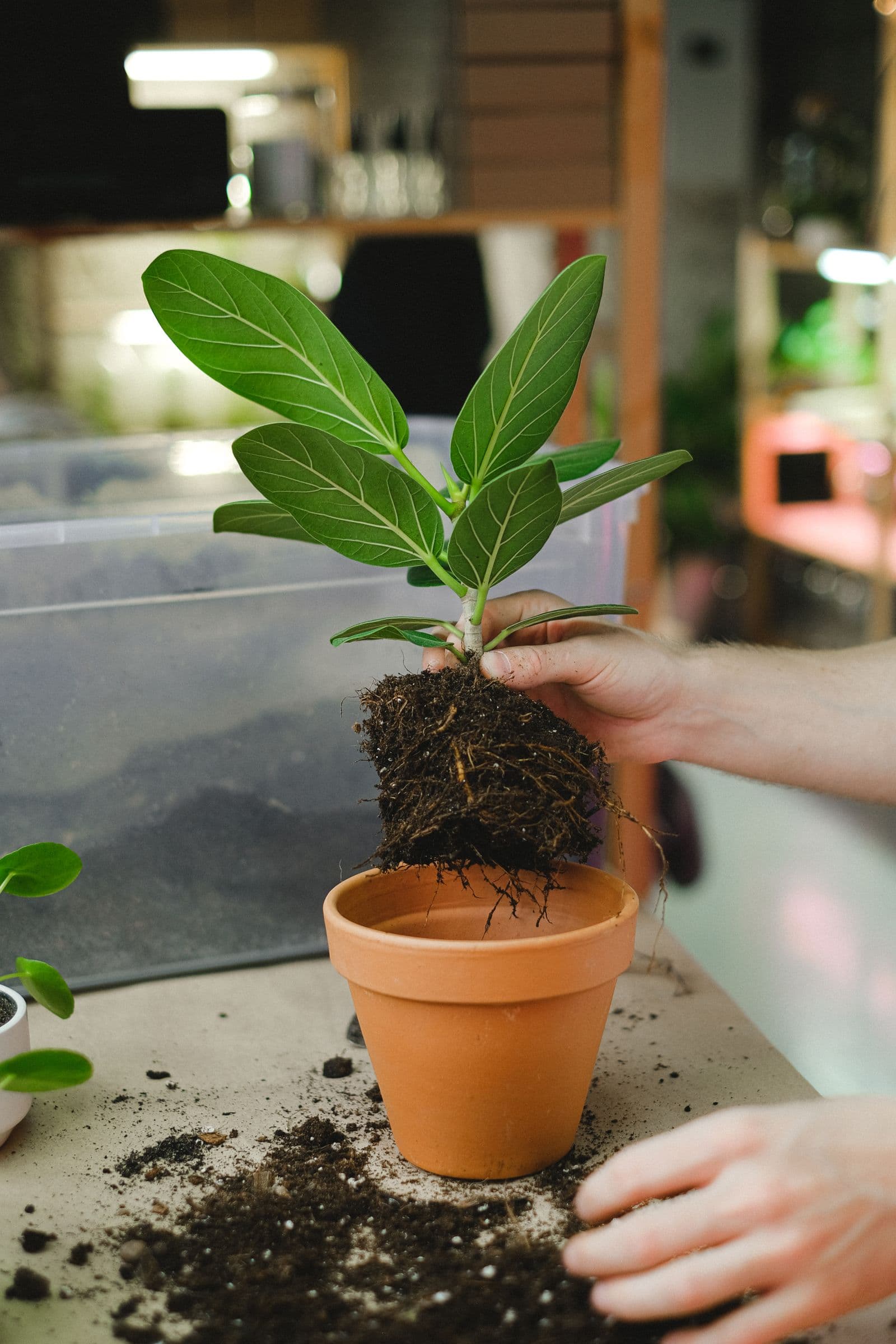
Use fresh, well-draining potting mix suited to your plant, and a pot with drainage holes. Choose a pot only slightly larger than the remaining root system.
Avoid moving the plant into a much larger pot, which leaves extra soil that stays wet for longer. And don't reuse the soggy, decomposing mix if root rot is present.
If the roots were firm but the old mix was waterlogged and drained poorly, it's still worth repotting into fresh, airy mix.
Step 6: Give it the right recovery conditions
Keep the plant in stable, bright, indirect light if that suits its species. Avoid harsh direct sun, fertilizer and other stress while it recovers; hold off on feeding until it's producing healthy new growth.
Don't leave the plant sitting in a saucer full of water.

Step 7: Change your watering routine
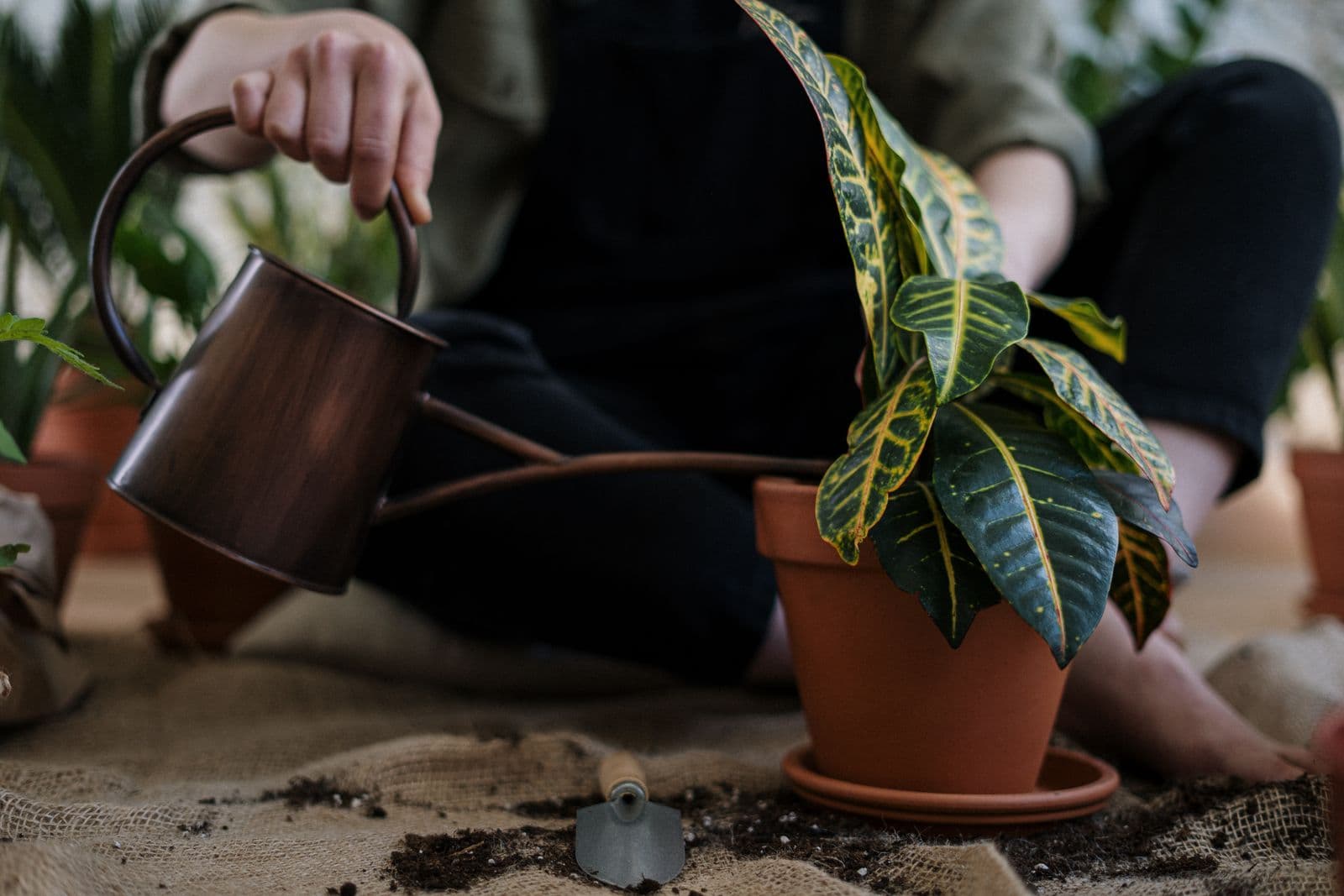
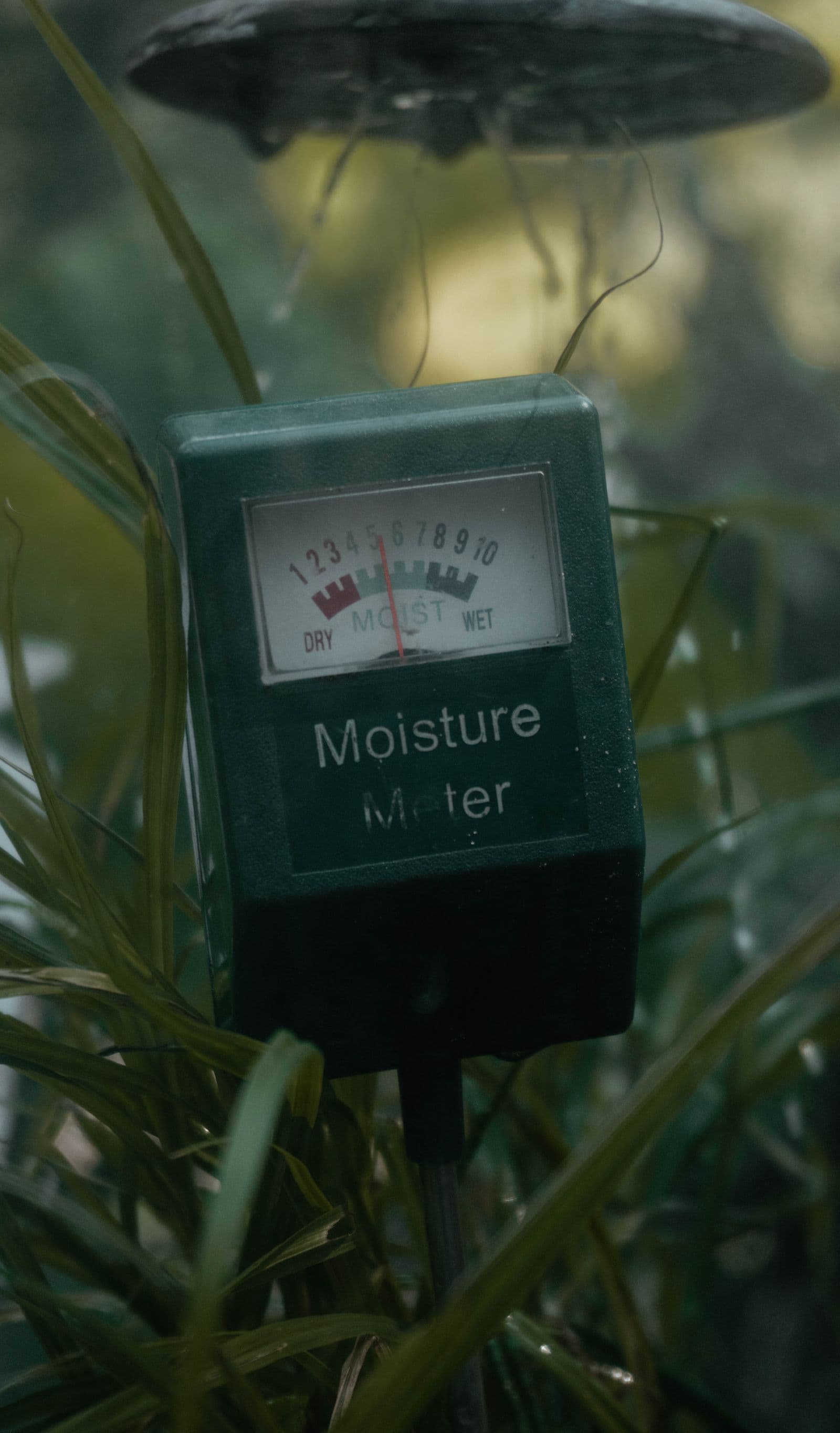
Check the soil before watering again, including below the surface. Water based on the plant's needs rather than a fixed daily schedule.
When the upper portion of the mix has dried appropriately for the pot and conditions, water thoroughly and let the excess drain. Drying time varies with pot size, light, temperature and season, so a rigid calendar doesn't work.
Can a plant with rotten roots be saved?
There may still be hope if the plant has some firm, healthy roots and living stem tissue.
A few yellow leaves: often recoverable. Remove badly damaged foliage and correct your watering.
Many yellow leaves, but firm roots: the plant may recover once the root environment improves.
Mushy roots and a soft, black stem base: the damage is more serious. Save any healthy cuttings if the species can be propagated that way.
Entirely mushy stem and roots: recovery may not be possible.
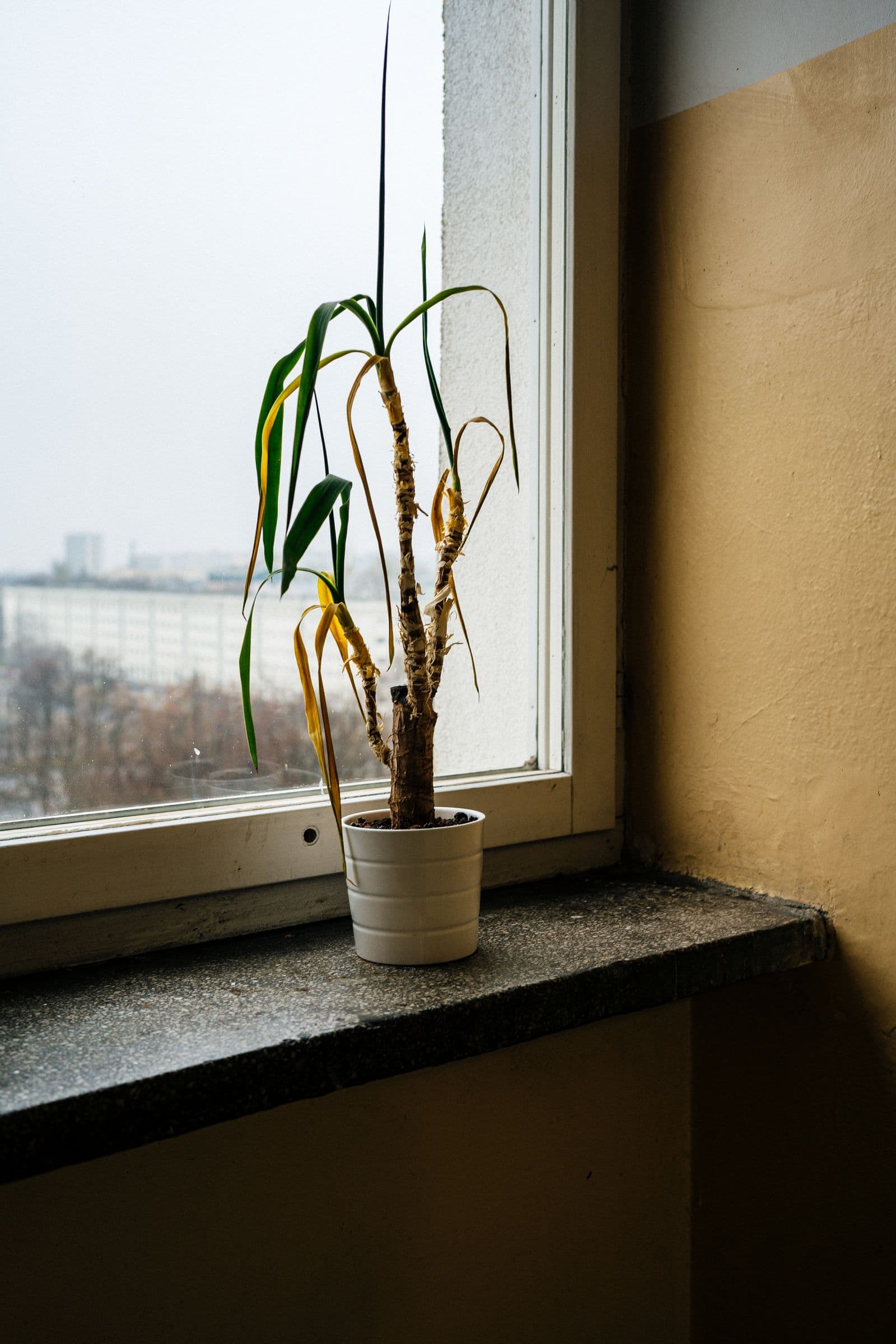
“Yellow leaves usually won't turn green again. Look for healthy new growth over the following weeks as a sign of recovery.”
Rescuing rotten roots: common questions
Can a plant recover from root rot?+
Often, yes, as long as some firm, healthy roots and living stem tissue remain. Remove the rotten roots, repot in fresh well-draining mix, and correct your watering.
What do rotten roots look like?+
Rotten roots are soft, mushy, slimy or hollow, and often smell sour. Healthy roots are firm and can be white, cream, tan or light brown depending on the species.
Should I cut brown roots?+
Not just because they're brown. Some healthy roots are naturally brown. Cut roots that are mushy, hollow or falling apart, and keep the firm ones.
Can I reuse the old potting soil?+
No. If root rot is present, throw out the soggy, decomposing mix and repot in fresh, well-draining mix.
How long does it take a plant to recover from root rot?+
Expect to watch for several weeks. Healthy new growth is the clearest sign the plant is recovering; existing yellow leaves usually won't turn green again.
Diagnose it with a photo
Not sure which guide fits? Snap the affected leaf in the OFPlants app and Pole, our plant doctor, names the most likely cause, how confident it is, and what to do now and over the next week.
 Get it onGoogle Play
The bottom line
Rotten roots aren't always a death sentence. Stop watering, check the roots, cut away only what's rotten, repot in fresh mix, and let the plant recover in bright, indirect light. Then water by feel, not by calendar, so it doesn't happen again. For the science behind the yellow leaves, read Why Overwatering Turns Leaves Yellow.