Powdery Mildew on Houseplants
What it loves, how to stop it, and how to keep it away
Something else on your plant? Browse all our pest and disease guides to identify it and treat it the right way.
Powdery mildew is one of the few leaf diseases that feels right at home indoors. It doesn't need wet leaves, it likes mild temperatures, and it thrives in the still, shady corners many houseplants live in.
The upside is that it's rarely fatal, and early action works well. This guide covers how to treat an outbreak and how to change the conditions so it doesn't return. If you're not yet sure the white stuff is mildew, start with White Powder on Plant Leaves: Powdery Mildew or Mineral Residue?
Why mildew thrives indoors
Most leaf fungi need water sitting on the leaf to get started. Powdery mildew doesn't. Moderate temperatures of 60 to 80°F and shady conditions favor it, and long periods of water on the leaves actually inhibit its spores. That describes a typical living room.
Humidity plays a mixed role. High humidity favors spore formation while low humidity helps spores spread, and infection rises as relative humidity nears 90 percent. Cool, damp spells suit it well too. The key point: mildew can infect dry leaves, so a dry plant isn't a safe plant.
It's happiest around 70 to 80°F. Either way, normal room temperatures sit right in mildew's comfort zone.
Know which houseplants get powdery mildew
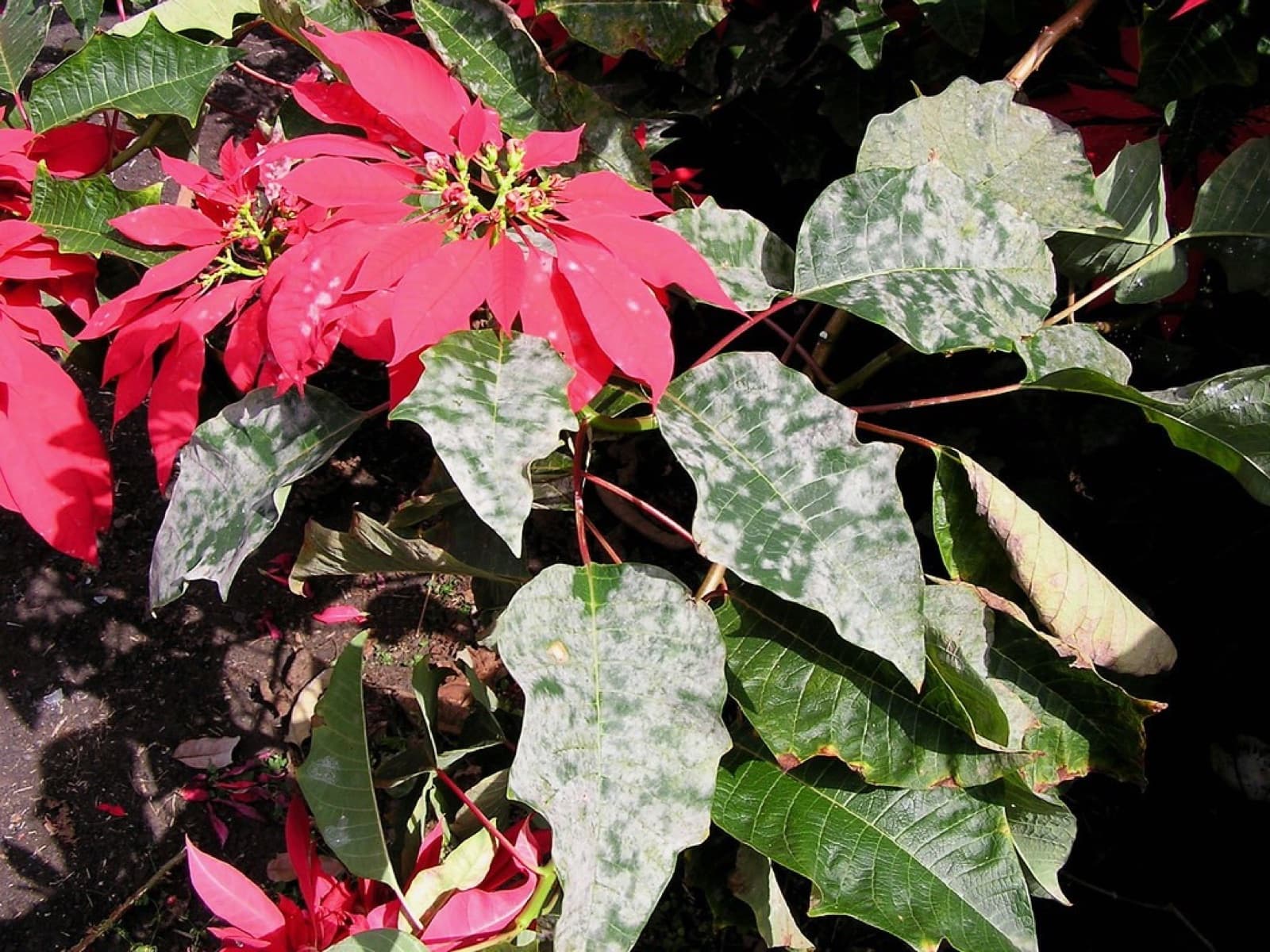
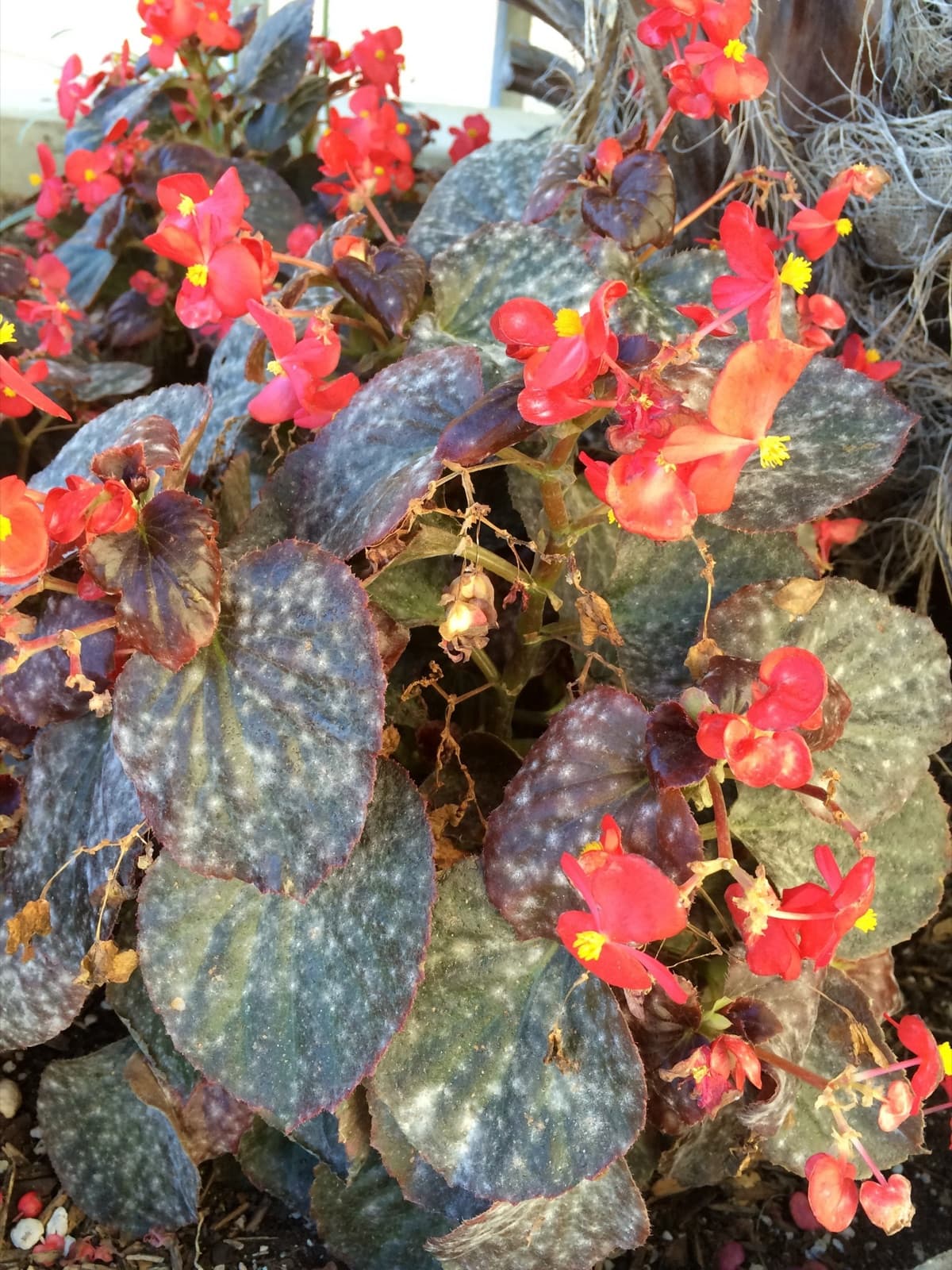
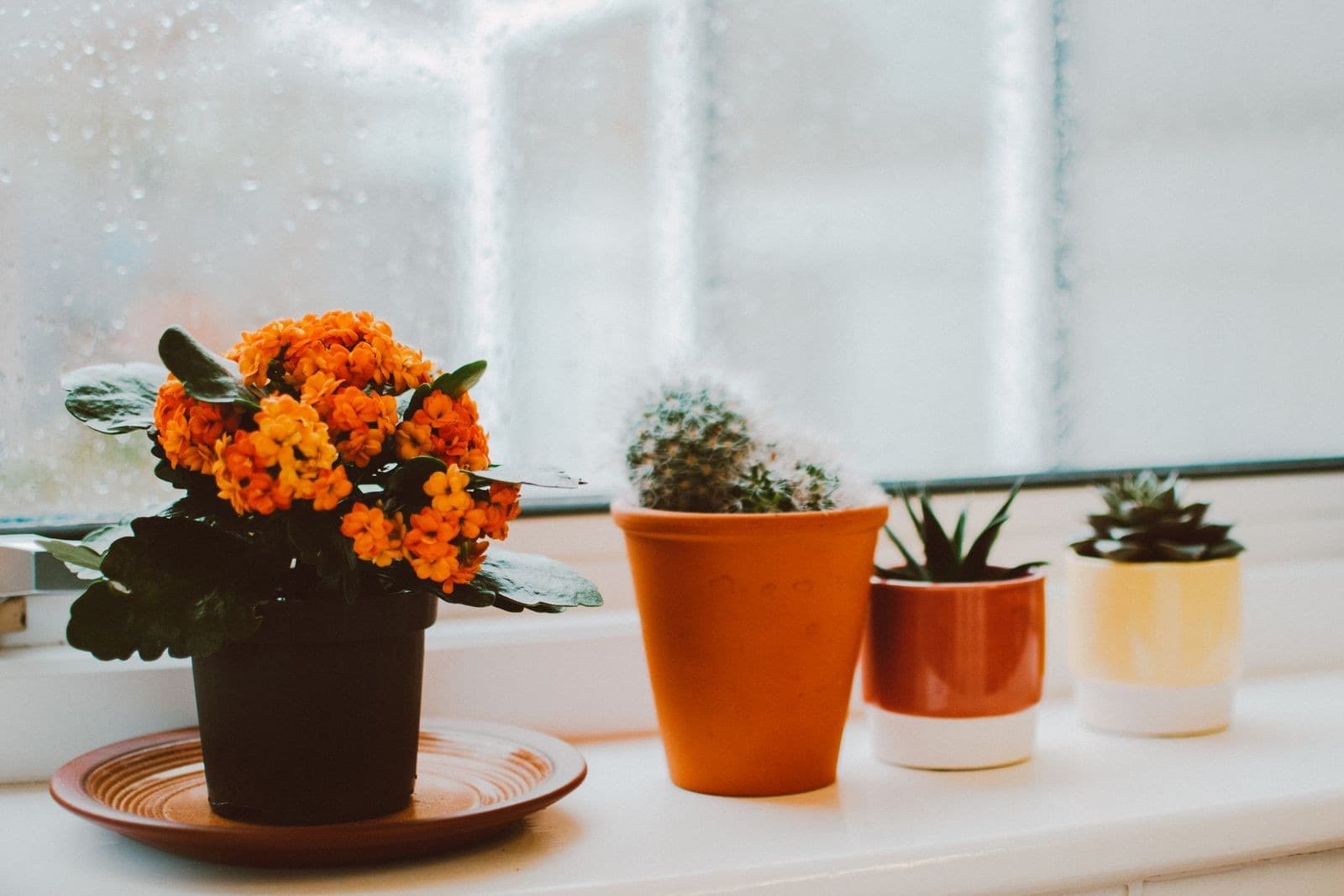
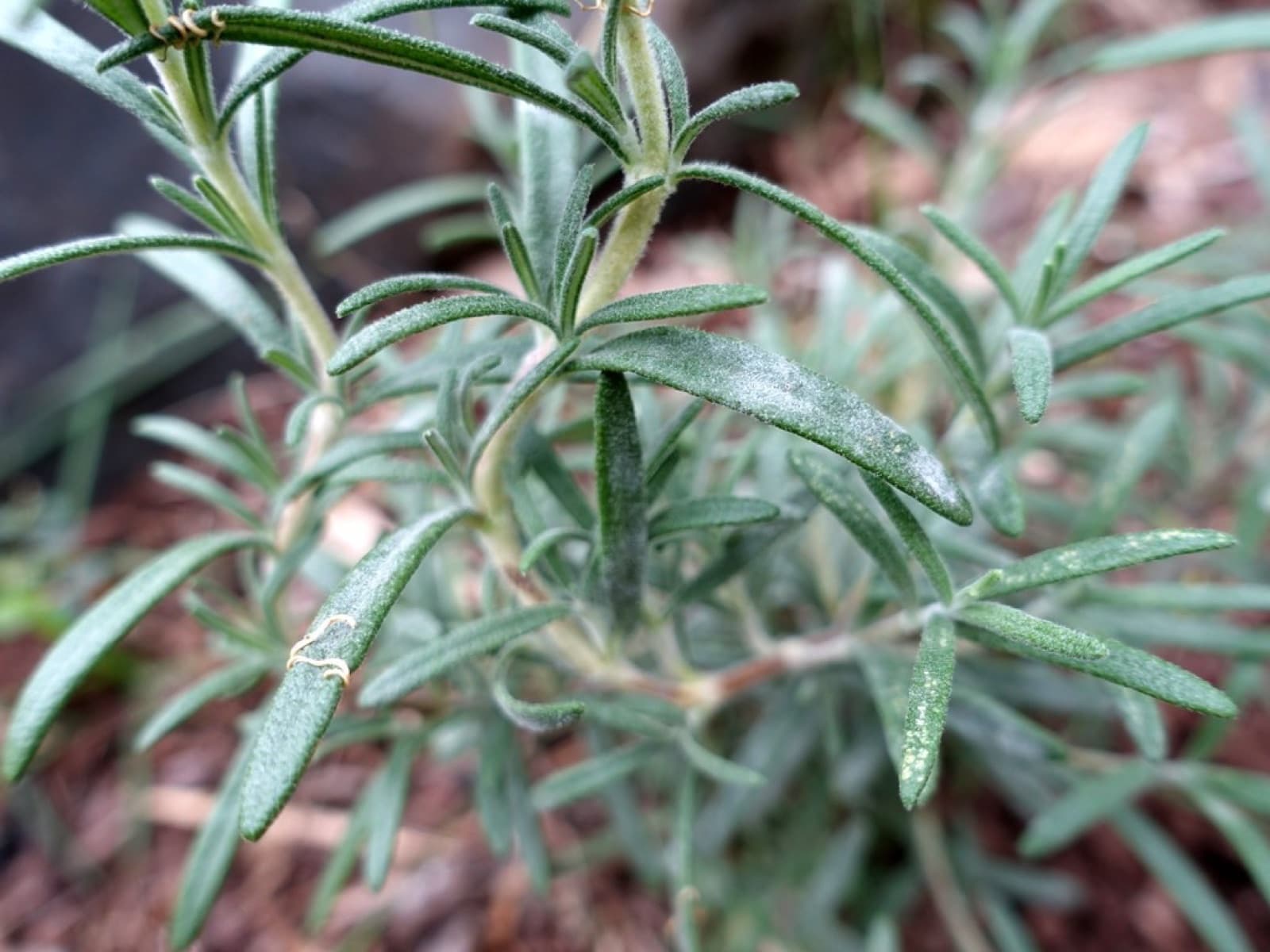
African violets, begonias, ivy, jade, kalanchoe, poinsettia and rosemary are common indoor hosts. If you grow any of these, check them often, especially the lower leaves.
The first patches are small, circular, powdery white spots that later merge, usually on the upper surface of lower leaves. Leaves may curl, twist or discolor before you notice much white growth.
Catching it at the spot stage matters. Once an infection is mild to moderate, fungicides are generally too late, so your best tools are early removal and better growing conditions.
Each powdery mildew is a picky eater
There isn't just one powdery mildew. Powdery mildews usually have narrow host ranges made up of just a few related plants. Here's a houseplant example: the fungus on African violets is a different species from the one on rosemary, so mildew on one may not jump to a dissimilar plant.
That's reassuring, but don't rely on it. Plants of the same kind, or close relatives, can still share an infection, and spores travel easily on air currents. Isolating the sick plant is a cheap insurance policy.
Step 1: Isolate and snip
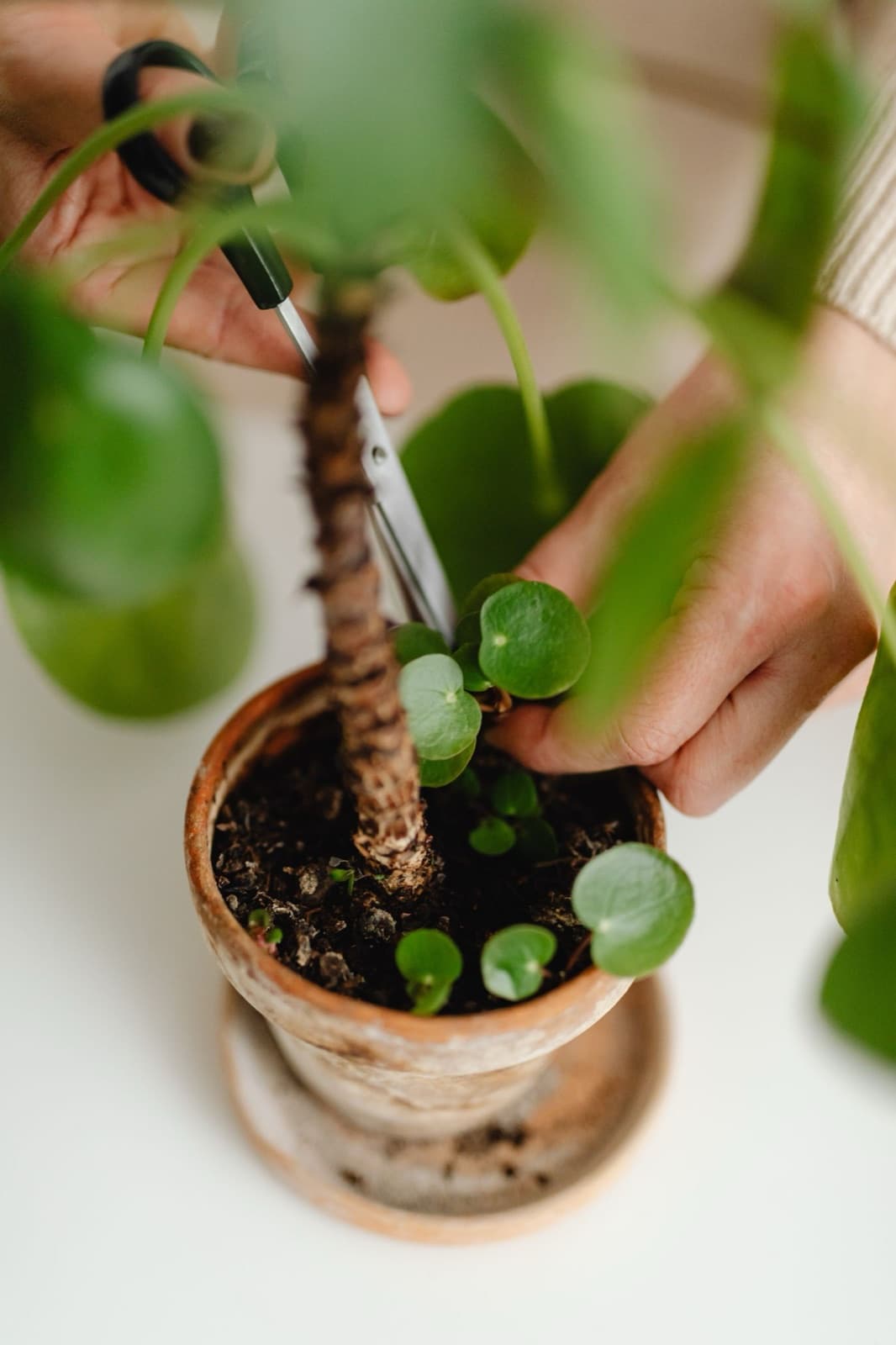
At the first white spots, move the plant away from the others. Then pick off infected leaves. Individual infected leaves can be picked off and destroyed, and heavily affected foliage pruned away.
Bag the leaves and put them in the trash rather than the compost. Home compost often isn't hot enough to kill the fungus. A properly maintained hot pile should kill spores, but a small indoor or casual compost bin is unlikely to qualify.
If a plant is covered from top to bottom, it may be time to let it go. Discarding badly infected plants protects the rest of your collection.
Step 2: More air, more light
Changing the environment does more than any spray. Mildew loves still air and dense, crowded planting. Anything that increases air circulation will lessen the chance of infection, so space plants so air can move between them.
Light matters too. Shade encourages powdery mildew, so a brighter spot can help, as long as it suits the plant. A small fan on a low setting nearby keeps air moving without blasting the leaves.
Two more indoor tips: keep plants away from chilly drafts, and water in the morning so any splashed leaves dry quickly.

Step 3: Spray only if you need to
If the outbreak keeps spreading after pruning and better airflow, a labeled product can help. Horticultural oils, including plant-based neem oil, work best as eradicants on early infections. Products containing potassium bicarbonate also have some eradicant activity, but they can injure infected plants, so avoid them on advanced cases.
Follow the label closely. Reapply at 7 to 10 day intervals, or as the label directs, while conditions favor disease. Don't apply oil above 90°F, on water-stressed plants, or within 2 weeks of a sulfur spray. Most fungicides aren't labeled for indoor houseplants, so check that yours is.
Skip the kitchen-cupboard recipes. Homemade products are untested, and baking soda mixes are still experimental. A spray also won't fix the conditions that caused the problem, so keep up steps 1 and 2.
Prevent the next round of mildew
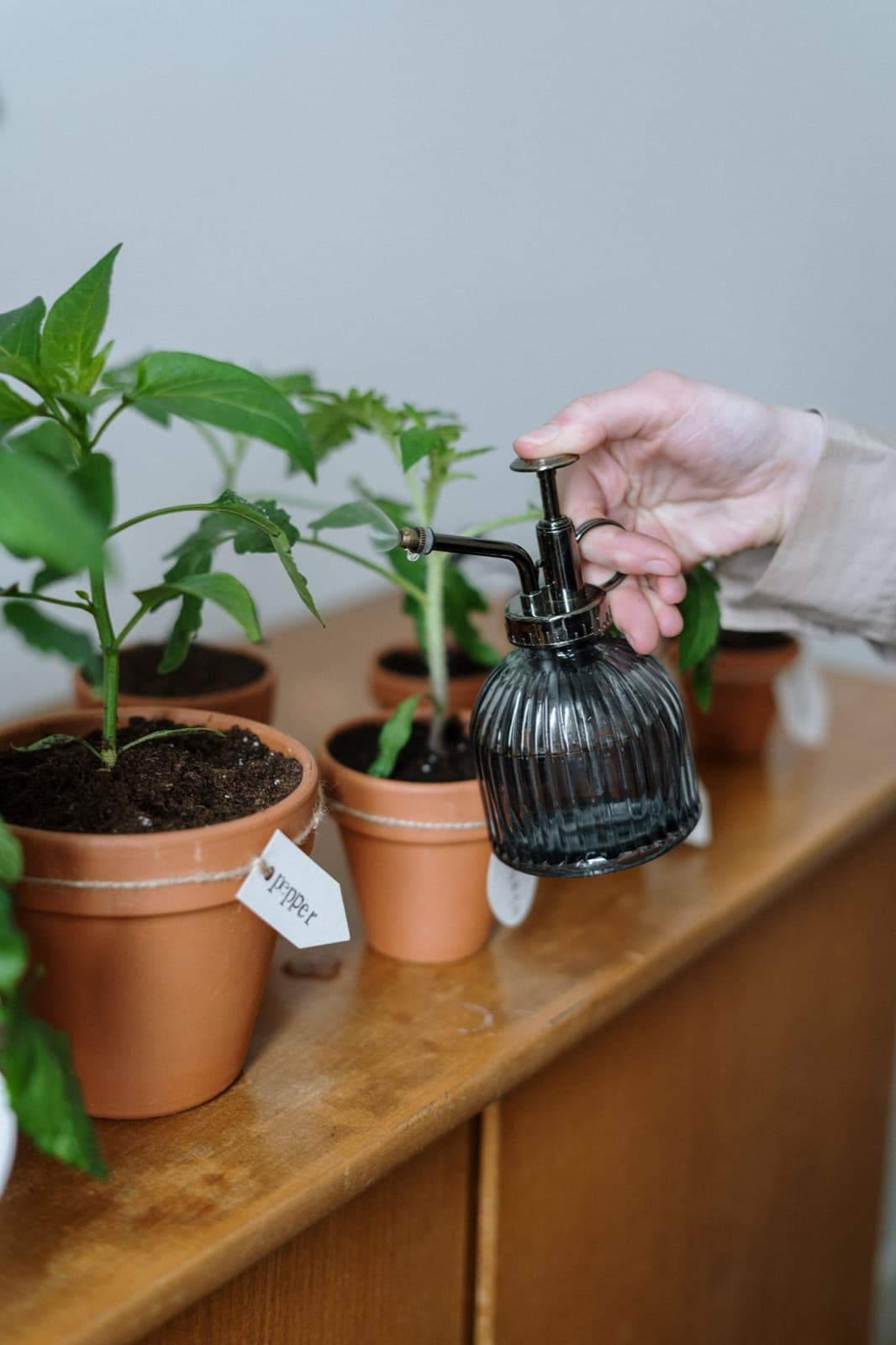
Mildew prefers soft, new growth. That's why we avoid high-nitrogen fertilizers: over-fertilizing with nitrogen produces succulent growth that's particularly susceptible. Feed at normal label rates and skip the extra boosts.
Steady watering helps as well. Plants under intermittent drought stress are more susceptible, so avoid drought stress. Let the mix dry to the right level for your plant, but don't leave it bone-dry for long.
Finally, stop mildew at the door. Inspect plants before you buy them. Turn leaves over, check the lower foliage, and quarantine new arrivals, as covered in Can Houseplant Pests Hitchhike Home on New Plants?

Keep checking for mildew
Powdery mildew is more unsightly than harmful, and plant death is rare. Still, a stressed plant grows poorly, so it's worth staying on top of it.
Keep an eye on previously infected plants so any return can be treated early. Look over susceptible plants each time you water, and remove new spots as soon as you see them. If outbreaks keep coming back, revisit light, spacing and feeding before reaching for another spray.
“Dry leaves won't save you. Powdery mildew is happy without a drop of water.”
Powdery mildew: common questions
Is powdery mildew harmful to houseplants?+
It's usually more unsightly than deadly. Heavy infections can still distort, yellow and drop leaves, so treat it early.
Can I just wipe powdery mildew off?+
Wiping removes some of the powder but not the fungus, so it returns. Remove infected leaves and improve airflow and light instead.
Does neem oil work on powdery mildew?+
Plant-based oils such as neem are among the products that work best on early infections. Use one labeled for indoor plants, and don't apply it above 90°F or within 2 weeks of sulfur.
Should I use a baking soda spray?+
It's best avoided. Baking soda mixes are experimental, and homemade products are untested.
Will powdery mildew spread to all my plants?+
Each mildew species attacks a narrow group of plants, so it may not jump to unrelated ones. Isolate the sick plant anyway to protect similar plants nearby.
When should I throw the plant away?+
If mildew covers most of the plant and keeps returning, discard it to protect the rest of your collection.
Not sure what's on your plant?
Snap the leaf, stem or soil in the OFPlants app and Pole, our plant doctor, names the most likely pest or disease, how confident it is, and a step-by-step treatment plan.
 Get it onGoogle Play
The bottom line
Powdery mildew thrives in mild, still, shady spots and doesn't need wet leaves. Isolate the plant, snip infected leaves, add airflow and light, and use a labeled spray only if it keeps spreading. Still not sure it's mildew? Read White Powder on Plant Leaves: Powdery Mildew or Mineral Residue?


