Why Is My Plant Losing Leaves After Repotting?
Understanding the stress and recovery process
Repotting Shock: What It Is and Why It Happens
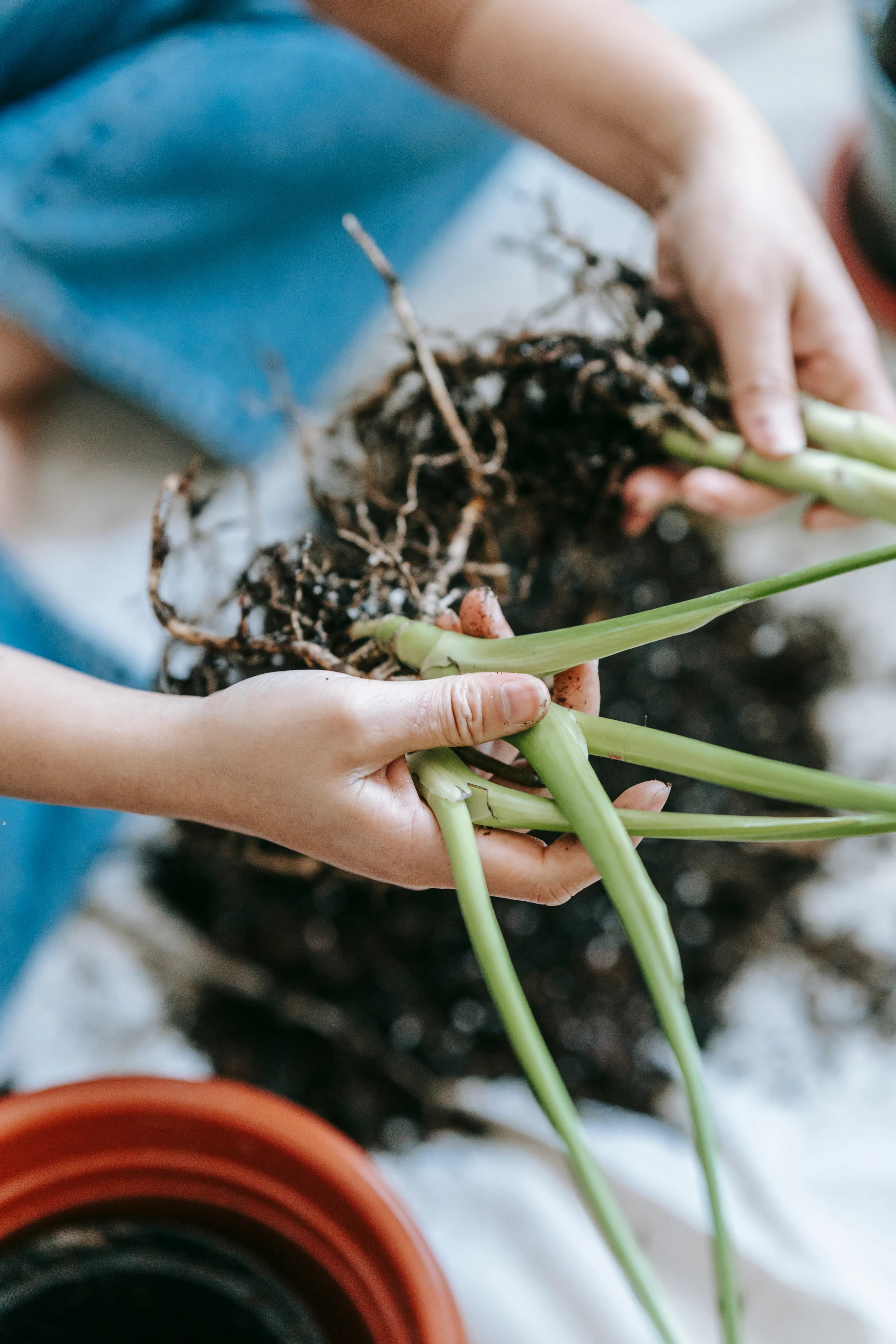
Repotting shock is a common phenomenon experienced by many plants after being transferred to a new pot. This happens because the plant needs time to adjust to its new environment, which includes changes in soil composition, pot size, and positioning. During this adjustment period, it's not uncommon for plants to lose leaves as they focus energy on adapting their root systems to the new potting conditions.
Common Causes of Leaf Loss After Repotting
Several factors can contribute to leaf loss after repotting:
1. **Root Damage:** Handling roots during repotting can cause damage, leading to temporary leaf loss as the plant heals. 2. **Overwatering:** New soil can retain more water, leading to overwatering if you're not careful, which can cause leaves to drop. 3. **Inappropriate Pot Size:** Moving a plant to a pot that's too large can cause the roots to become waterlogged, resulting in leaf loss. 4. **Light Changes:** If the plant's location has changed, differences in light levels can stress the plant, leading to leaf drop.
Common Houseplants at a glance
- Water
- Allow top inch of soil to dry
- Light
- Bright, indirect light
- Humidity
- Moderate to high
- Temperature
- 65-75°F (18-24°C)
- Difficulty
- Easy to moderate
Steps to Help Your Plant Recover
To help your plant bounce back after repotting:
- **Monitor Watering:** Use a moisture meter to check soil moisture and prevent overwatering. - **Maintain Humidity:** Consider misting your plant or placing it near a humidifier to replicate its natural environment. - **Stable Environment:** Keep the plant in a consistent location to avoid additional stress from changes in light and temperature. - **Nourish Gently:** Use organic fertilizers sparingly to avoid overwhelming the plant with nutrients.
Frequently Asked Questions
How long does repotting shock last?+
Repotting shock can last anywhere from a few days to a couple of weeks, depending on the plant's species and how well it's cared for post-repotting.
Should I prune leaves after repotting?+
It's best to avoid pruning immediately after repotting. Allow the plant to recover and stabilize before removing any leaves.
Is it normal for all leaves to drop after repotting?+
While some leaf loss is normal, losing all leaves indicates stress. Review your care routine and environmental factors to help your plant recover.
Can I fertilize immediately after repotting?+
It's best to wait a couple of weeks before fertilizing. This allows the plant to settle and reduces the risk of fertilizer burn.
How can I prevent leaf loss in future repottings?+
Handle roots gently, choose an appropriately sized pot, and ensure consistent care to minimize stress during future repottings.
Get Expert Plant Care Tips
The Bottom Line
Repotting can be a stressful time for your plant, but with patience and proper care, it can recover and thrive in its new environment. Monitor your plant's water and light needs, provide a stable environment, and give it time to adjust. Soon enough, your plant will be back to its leafy, vibrant self.